





Surrounded by elegant landscapes, waterfront villages and traditional Lombard cuisine, Lake Como is a beloved destination for travelers from all over the world. Yet those who follow a kosher diet often face a practical question: are there kosher restaurants on the lake?
In this guide, we’ll explore how to enjoy kosher food during a vacation on Lake Como.
What to Expect on Lake Como
At the moment, Lake Como does not have any certified kosher restaurants. The local culinary scene is rich in lake fish, regional dishes and international dining options, but it does not include establishments that strictly follow the rules of kashrut.
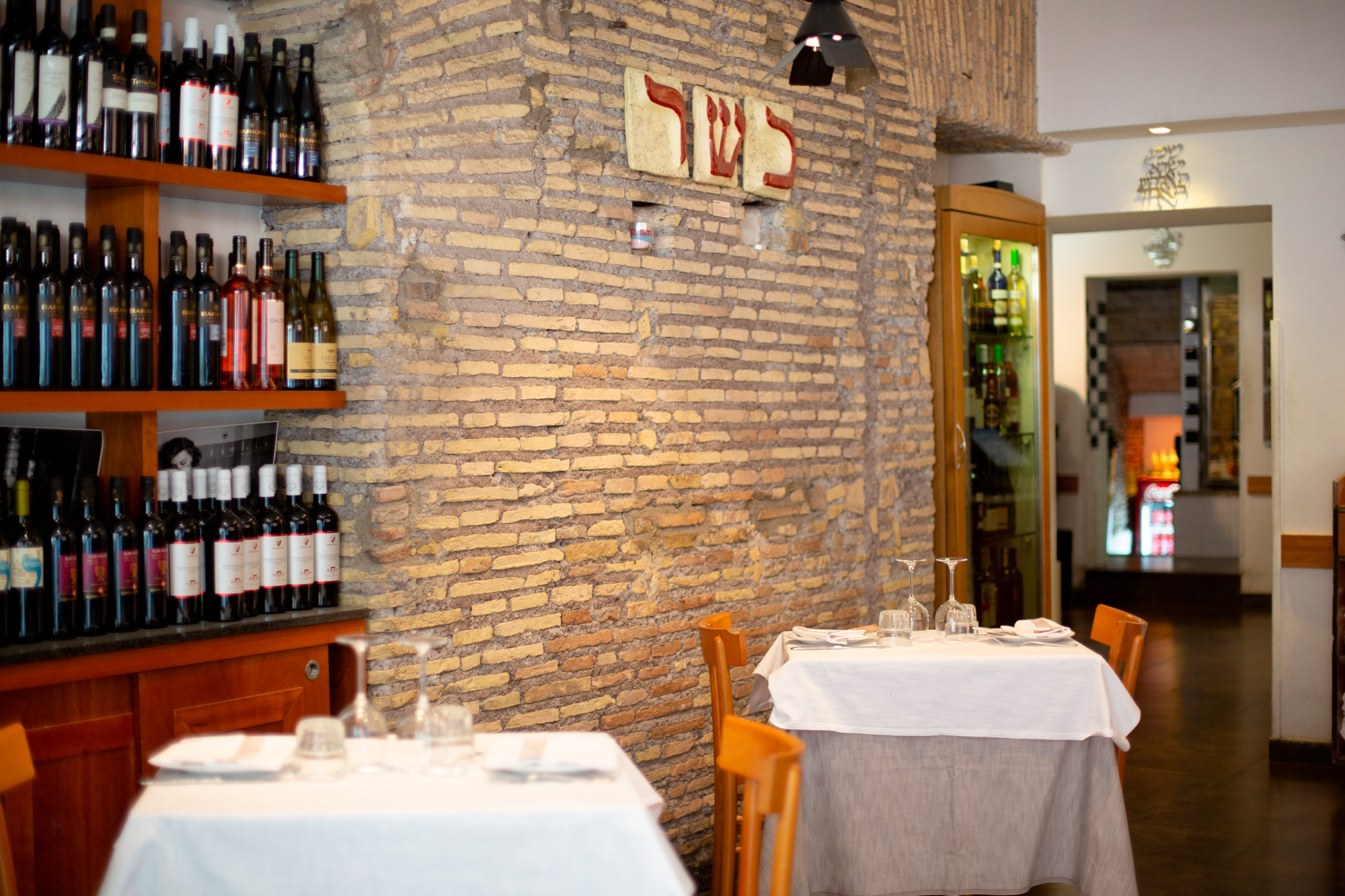
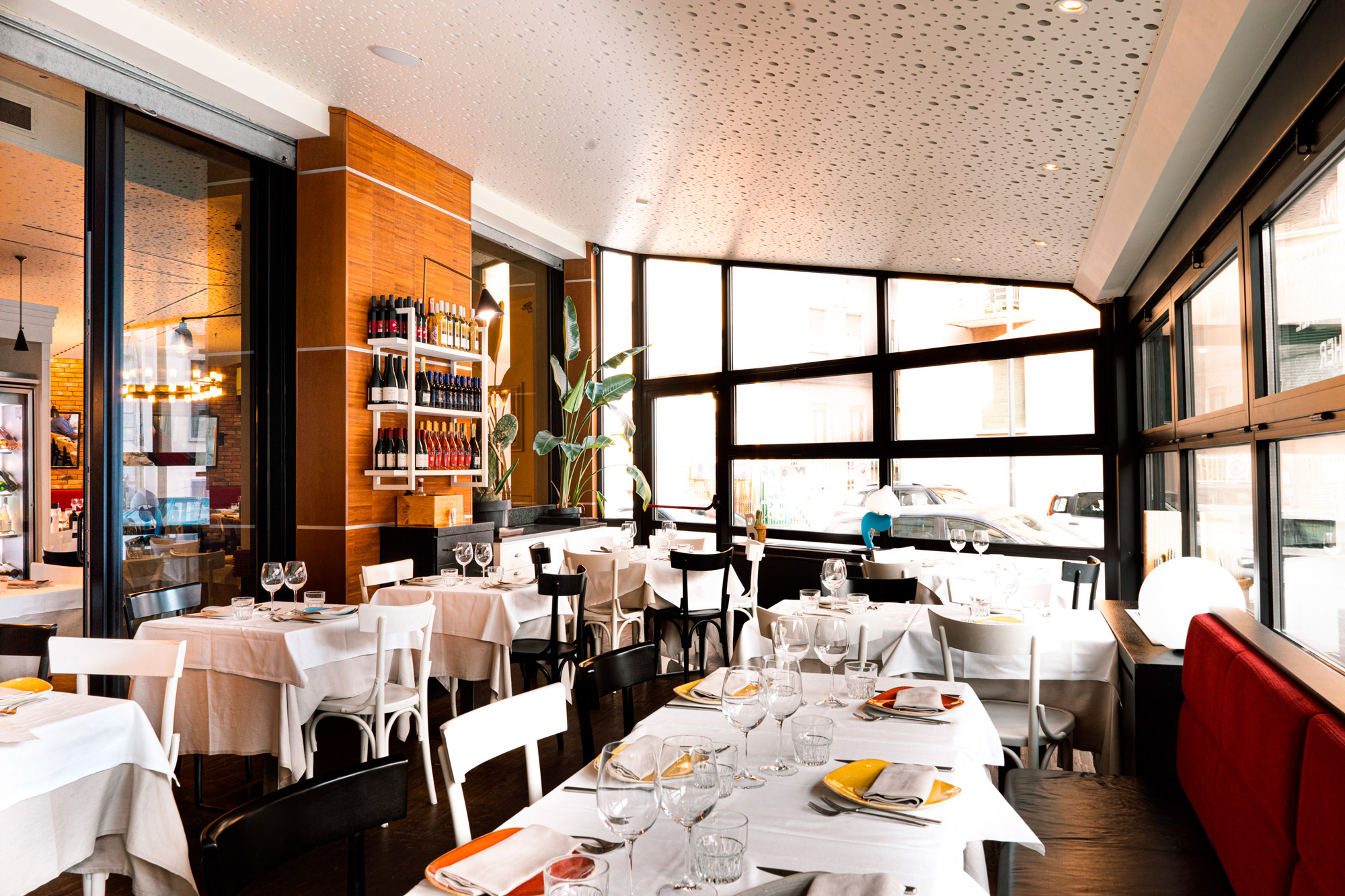
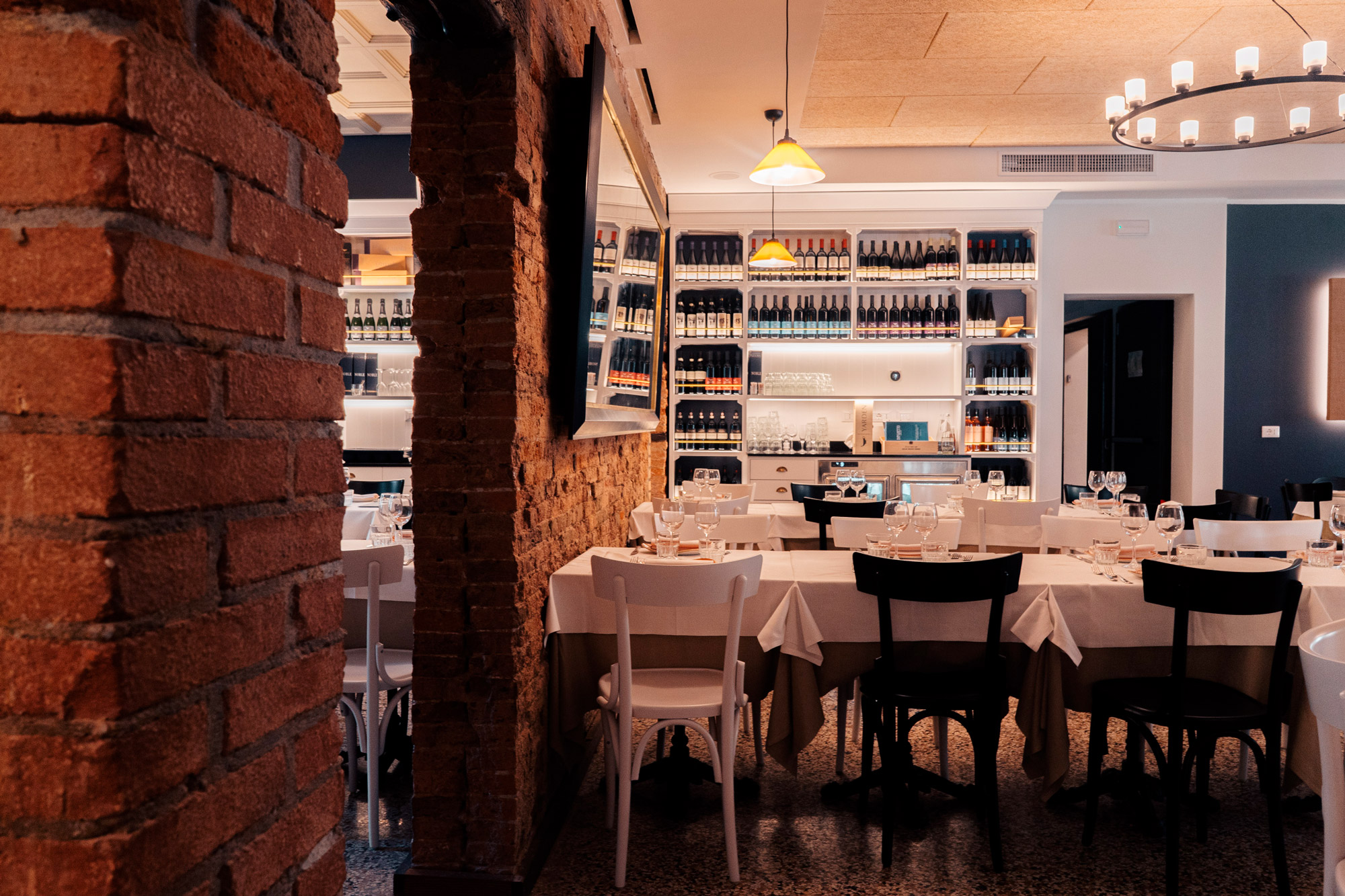
For this reason, many travelers rely on the nearest city with an established kosher offering: Milan. Here you’ll find Ba’ Ghetto, one of the most renowned kosher restaurants in Italy, which also provides dedicated delivery services covering the Lake Como area. This allows you to enjoy certified kosher dishes directly in your accommodation—without compromising on quality and without having to leave the lake.
With this solution, meal planning becomes simple and stress-free, leaving you free to enjoy your holiday. Alternatively, you can always book a table online at Ba’ Ghetto Milan.
What It Means to Eat Kosher
Once the situation on the lake is clear, it’s worth exploring what kosher cuisine truly represents. For many, it is not just a set of dietary rules—it’s a way of experiencing food, time and community. “Kosher” does not refer to a single dish; it describes an entire cultural system.
The laws of kashrut derive from the Torah and define which foods are permitted, how they must be prepared, which combinations are forbidden and which processes must be followed. Meat and dairy cannot be consumed in the same meal, animals must meet specific criteria, and slaughter must follow a precise ritual. These rules are not only about safety or quality: they reflect a profound connection to Jewish identity.
Eating kosher means choosing foods that are “fit” not only in a dietary sense, but also in a spiritual one. It transforms every meal into a cultural gesture, blending tradition, memory and daily life.
The Main Rules of Jewish Cuisine
The laws of kashrut are often seen as a strict set of limitations, but in reality they reflect a deep relationship between food, spirituality and identity. Some rules are widely known—such as the separation of meat and dairy—while others are less obvious, yet all of them shape what makes food truly kosher.
The distinction between meat, dairy, and parve—neutral foods—is central to daily life. It’s not just about avoiding certain combinations; it involves organizing utensils, preparation times and even kitchen spaces to respect this division.
The selection of animals also follows precise criteria: only ruminants with split hooves may be eaten, while fish and birds have their own specific requirements. Slaughter, performed according to the shechita ritual, is considered an act of great responsibility because it combines technical skill with spiritual meaning.
Even seemingly simple ingredients like wine, bread or cheese require supervision and kosher-approved processes. This is why those who prepare kosher food—whether at home or in a restaurant—approach every step with great care. It’s a complex blend of tradition and awareness that makes kosher cuisine not just a dietary system but a true culture.
Kosher Cuisine Today: Between Tradition and Contemporary Cooking
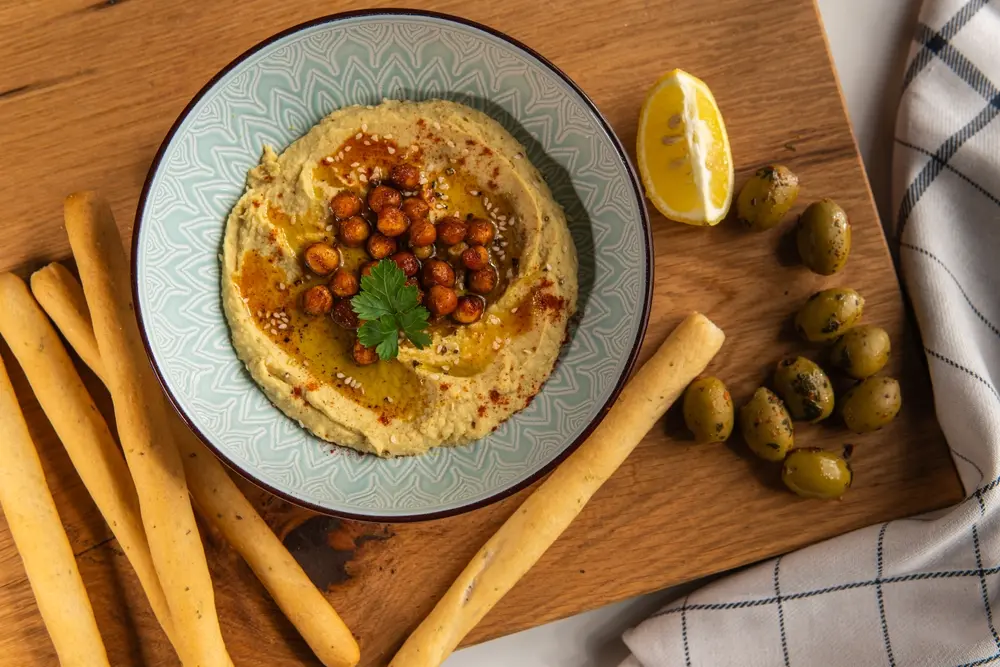
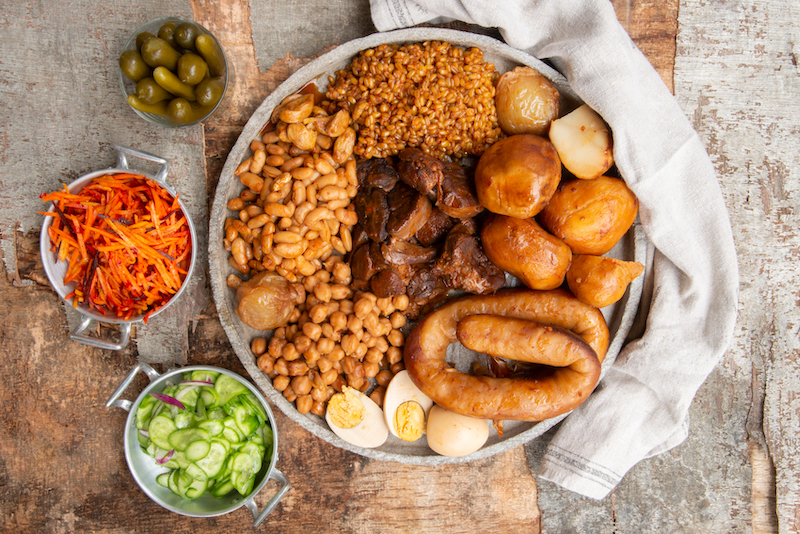
Modern kosher cuisine is far from static. Alongside the great classics—such as challah, falafel, traditional kosher meat dishes and Sephardic recipes—there are now contemporary interpretations, Mediterranean influences and more creative combinations. Chefs and restaurateurs are working to respect kashrut while embracing innovation.
Why Kosher Cuisine Attracts So Much Interest
In recent years, interest in kosher food has grown even among people who do not follow Jewish dietary laws. There are two main reasons: cultural fascination and the perception of careful, supervised, high-quality food preparation.
Many travelers choose kosher meals for quality or wellness reasons, while others are drawn to the gastronomic traditions of the Jewish world. Kosher cuisine tells stories of peoples, journeys, rituals and centuries of continuity.
03.12.25
Share