




The Roman Jewish-style artichoke (“Carciofo alla giudia”) is much more than a recipe: it is a symbol of identity, a dish that tells centuries of history, cultural influences, and a cuisine capable of transforming a humble ingredient into something memorable. Crispy on the outside, tender on the inside, golden like the Roman sun, this dish was born at the heart of Jewish-Roman tradition and is still one of the capital’s most iconic preparations today.
Those who taste a Roman Jewish-style artichoke for the first time are struck by its disarming simplicity. Few ingredients, a precise technique, no shortcuts. And this is exactly where the secret lies: behind that “flower-shaped” appearance is ancient knowledge, passed down from generation to generation, especially in the kitchens of the Jewish Ghetto of Rome.
In this article, we take a deep dive into this iconic preparation: its origins, the meaning behind its name, the right variety to choose, the traditional step-by-step recipe, the differences compared to Roman-style artichokes, and the mistakes to avoid.
The origins of Roman Jewish-style artichokes
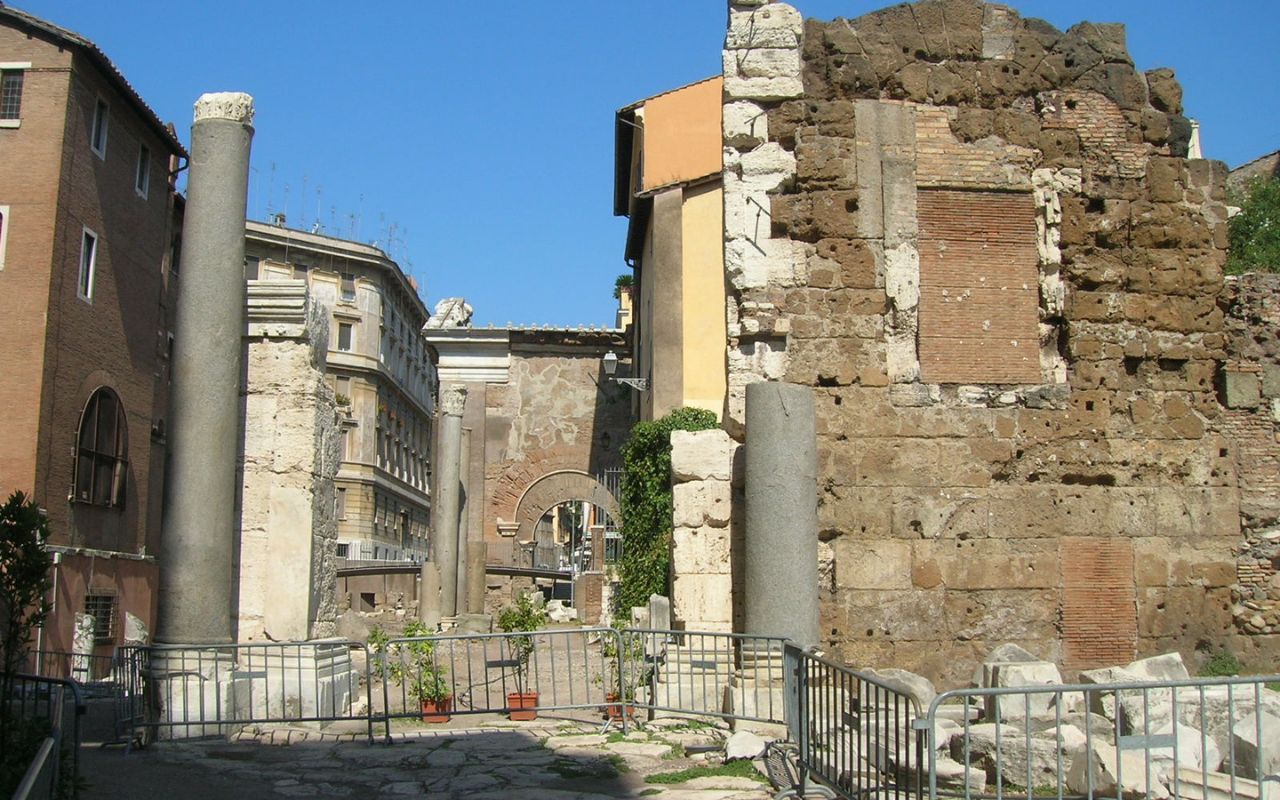
Roman Jewish-style artichokes originated within the Roman Jewish community, one of the oldest in Europe. Here, as early as the 16th century, the cuisine developed its own distinctive language, based on simple ingredients and intelligent techniques, often shaped by dietary rules and the need to make the most of what was available.
The term “giudia” is simply the Roman dialect form of “giudea”, indicating the Jewish origin of the recipe. It is neither a modern variation nor a reinterpretation: it is a codified preparation that has remained remarkably faithful to itself over time.
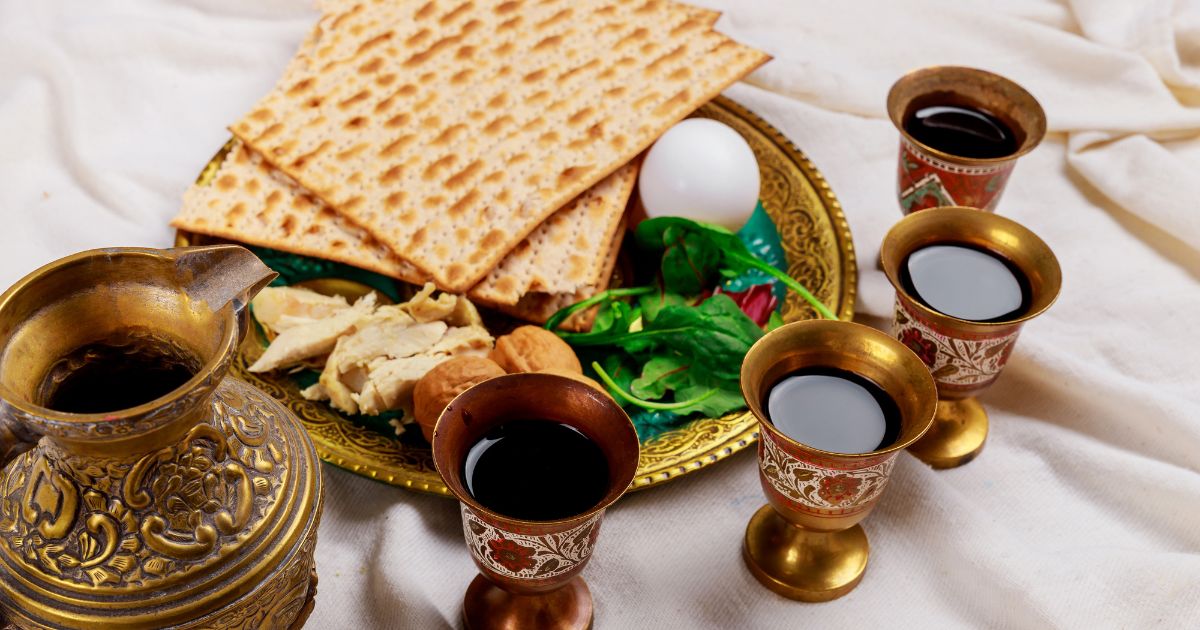
Frying, the central element of the dish, is no coincidence. In Roman Jewish cuisine, olive oil replaces butter or lard, which are forbidden under kosher dietary laws. From this comes a deep-frying technique that, in the case of artichokes, becomes almost sculptural.
Why Roman Jewish-style artichokes are unlike any other
At first glance, they might seem like “just” fried artichokes. In reality, this preparation follows a completely different logic compared to other recipes.
The main difference lies in the double cooking process: first, a gentler fry that cooks the interior and softens the leaves; then a second fry at high temperature that opens the artichoke like a flower and makes it crispy all over.
The result is not greasy, not heavy, not soggy. It is dry and fragrant, with a perfect balance between the soft interior and the crispy outer edges.
Choosing the right artichoke
There is no escaping this: not all artichokes are suitable. Tradition calls for a single variety, one that in Rome needs no introduction.
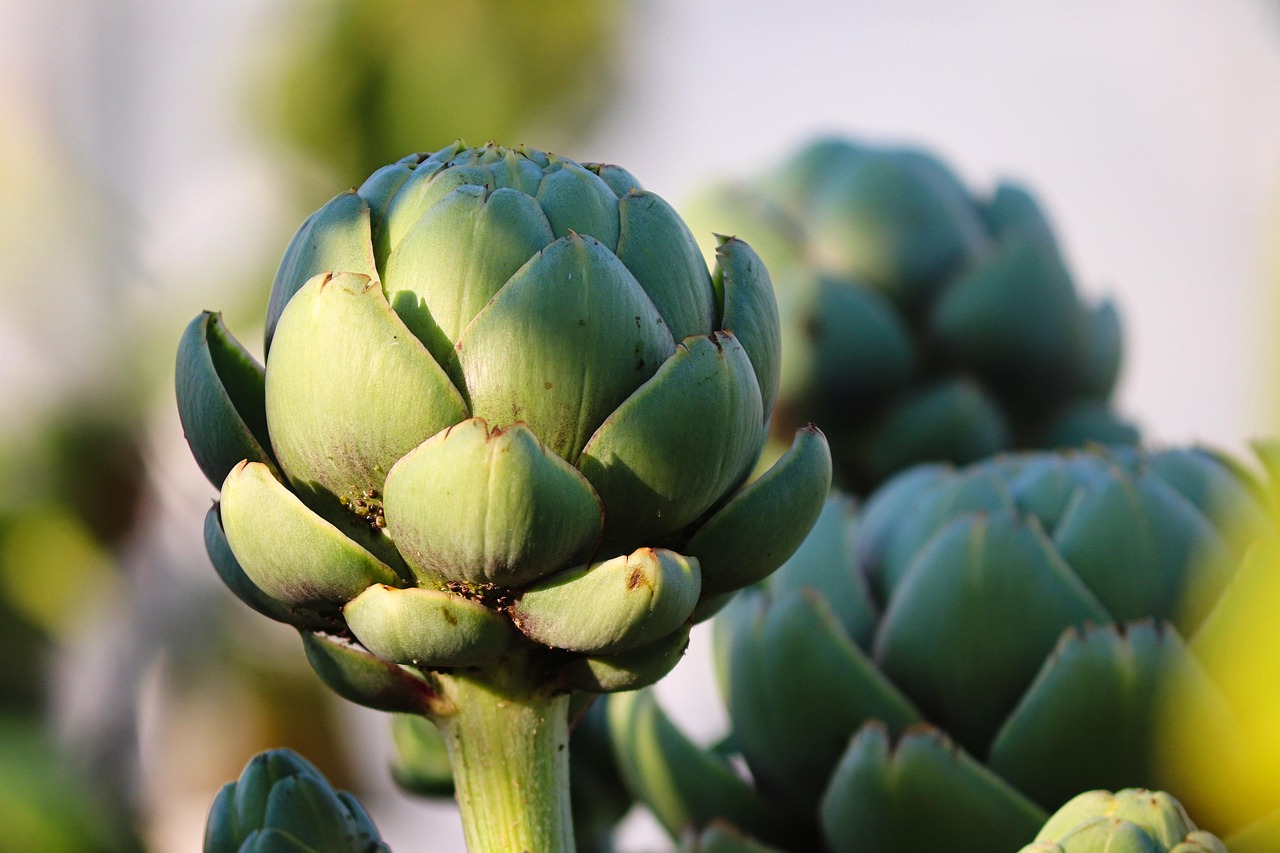
Romanesco artichoke (mammola)
The ideal choice is the romanesco artichoke, also known as mammola: – large – round – spineless – with wide, fleshy leaves
It is a tender variety with very little inner choke, perfect for withstanding double frying without drying out. Using spiny or very small artichokes means altering the essence of the dish.
Seasonality is equally essential: this is a spring dish, traditionally prepared between February and April. Outside this period, the technique can be replicated, but the result will never be the same.
Ingredients
The list is short, and that is exactly what puts the cook to the test:
– romanesco artichokes – extra virgin olive oil (plenty of it) – salt
Nothing else. No flour, no batter, no lemon during cooking, no spices. Any addition is a later invention that moves away from the original recipe.
Roman Jewish-style artichokes: the traditional step-by-step recipe
Cleaning the artichokes
Cleaning the artichokes is the first essential step. Remove the tougher outer leaves until reaching the tender heart. The stem should be shortened but not completely removed: it is part of the dish and simply needs to be peeled.
The top of the artichoke is trimmed with a clean cut, removing the tips. Immediately afterward, the artichoke is immersed in cold water acidulated with lemon to prevent oxidation (lemon is allowed here, but only before cooking).
First fry: cooking the interior
The extra virgin olive oil is heated to a medium-low temperature. The well-dried artichokes are immersed upside down, gently holding the leaves open with a fork.
This first frying cooks the heart. The leaves should soften without browning too much. Timing varies, but generally a few minutes per artichoke are enough.
Once ready, drain and let them rest.
Opening “like a flower”
When the artichoke is warm, an iconic gesture follows: gently tap it on the work surface, spreading the leaves outward until achieving the classic open-rose shape. This is a manual, almost ritual step that requires a delicate touch.
Second fry: achieving crispness
Bring the oil to a high temperature. The artichokes return to the pan for a few minutes, this time fully submerged. The leaves open, becoming crispy, golden, and thin like chips. Drain on paper towels and season only at the end.
How to serve Roman Jewish-style artichokes
They should be served piping hot, whole, ideally one per person. This is not just a side dish: it is a centerpiece, capable of taking center stage on the table.
Tradition dictates that they are eaten with the hands, leaf by leaf, saving the heart for last. A simple gesture, yet deeply Roman.
Roman Jewish-style artichokes vs Roman-style artichokes: key differences
They are often confused, but they are opposite dishes in both technique and spirit.
Roman-style artichokes are slowly braised, stuffed with mint, garlic, and olive oil—soft and aromatic. Roman Jewish-style artichokes are dry, crispy, essential, entirely built around frying.
One does not replace the other. They tell two different souls of Roman cuisine.
Where to eat the best Roman Jewish-style artichokes in Rome
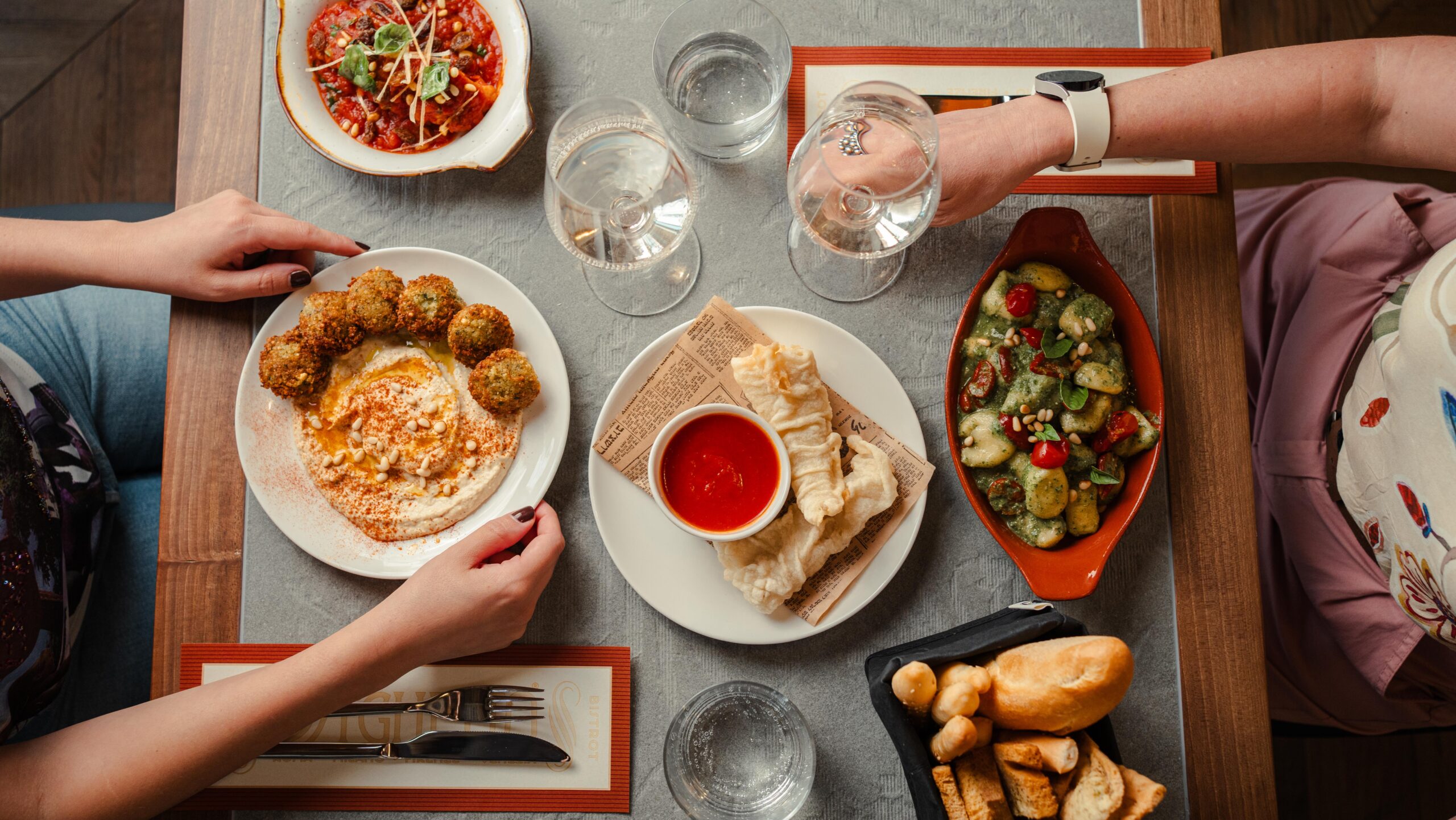
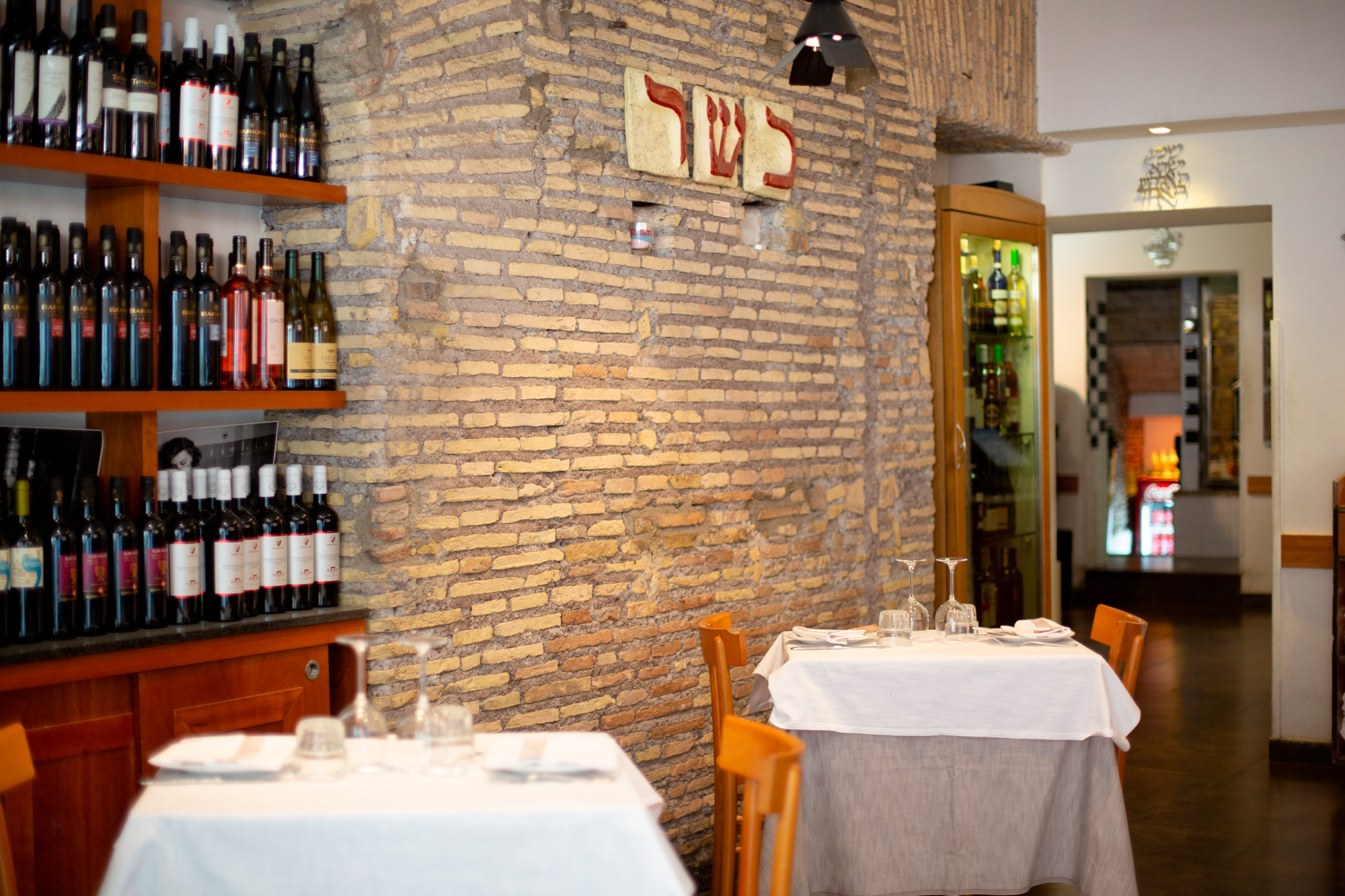
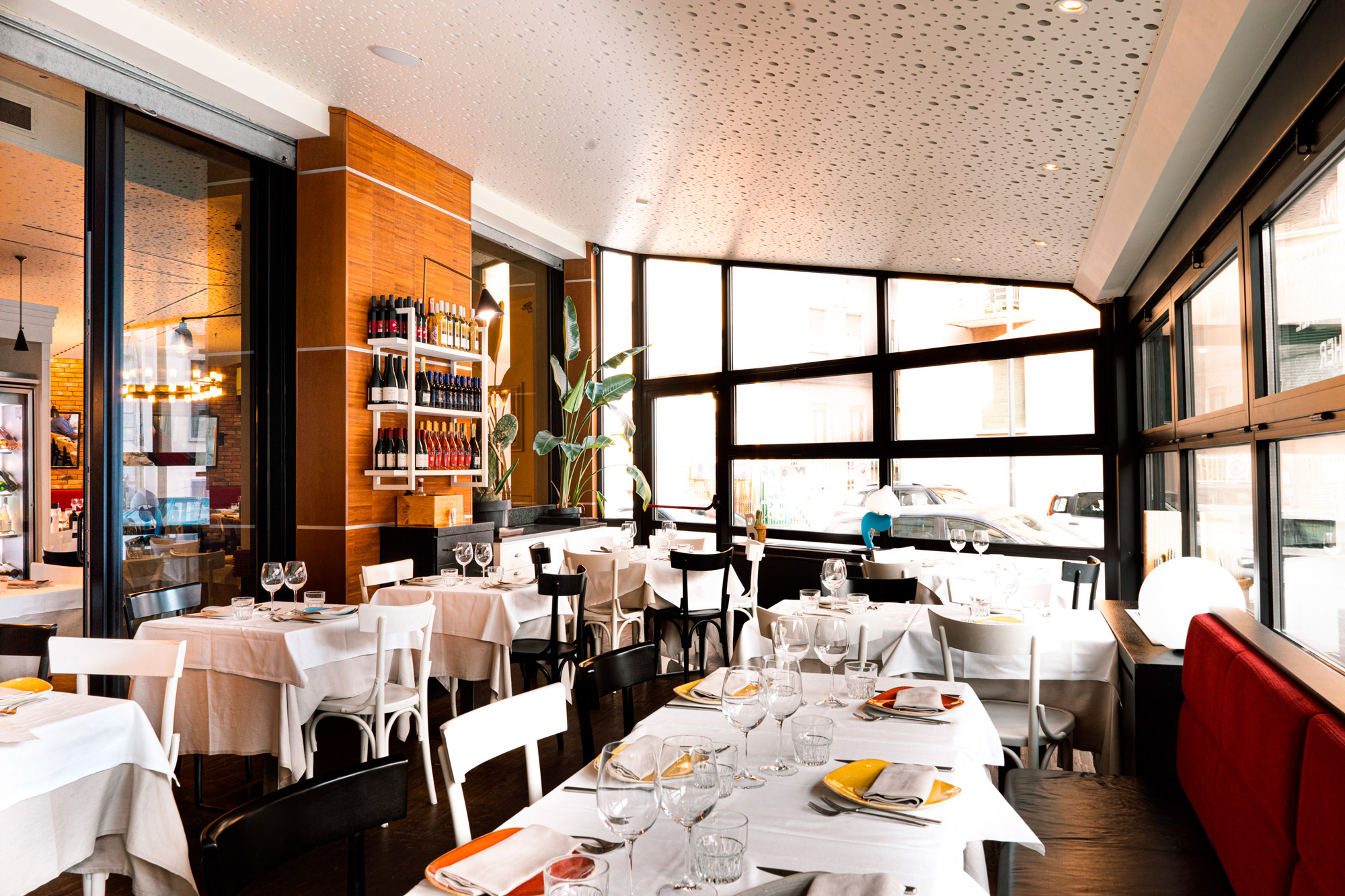
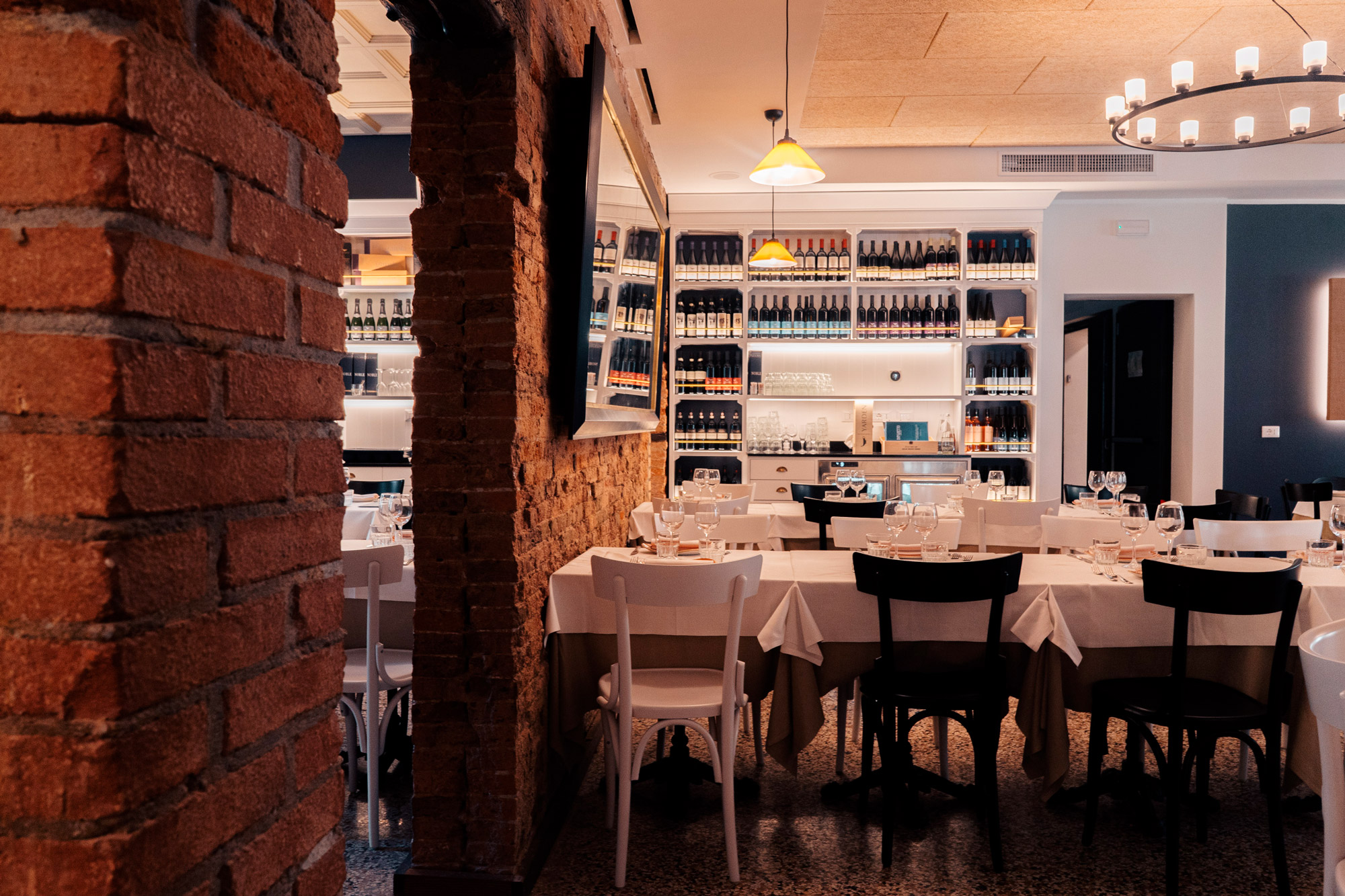
If, after discovering the history and secrets of this iconic dish, you want to taste it where the tradition is still alive, there is one clear recommendation: book a table at Ba Ghetto. Here, Roman Jewish-style artichokes are prepared according to the authentic Jewish-Roman recipe, using carefully selected artichokes and impeccable frying technique, exactly as required by the tradition of the Roman Ghetto.
Book your table at Ba Ghetto and experience one of the city’s most symbolic dishes in the setting that best expresses its soul.
28.01.26
Share