




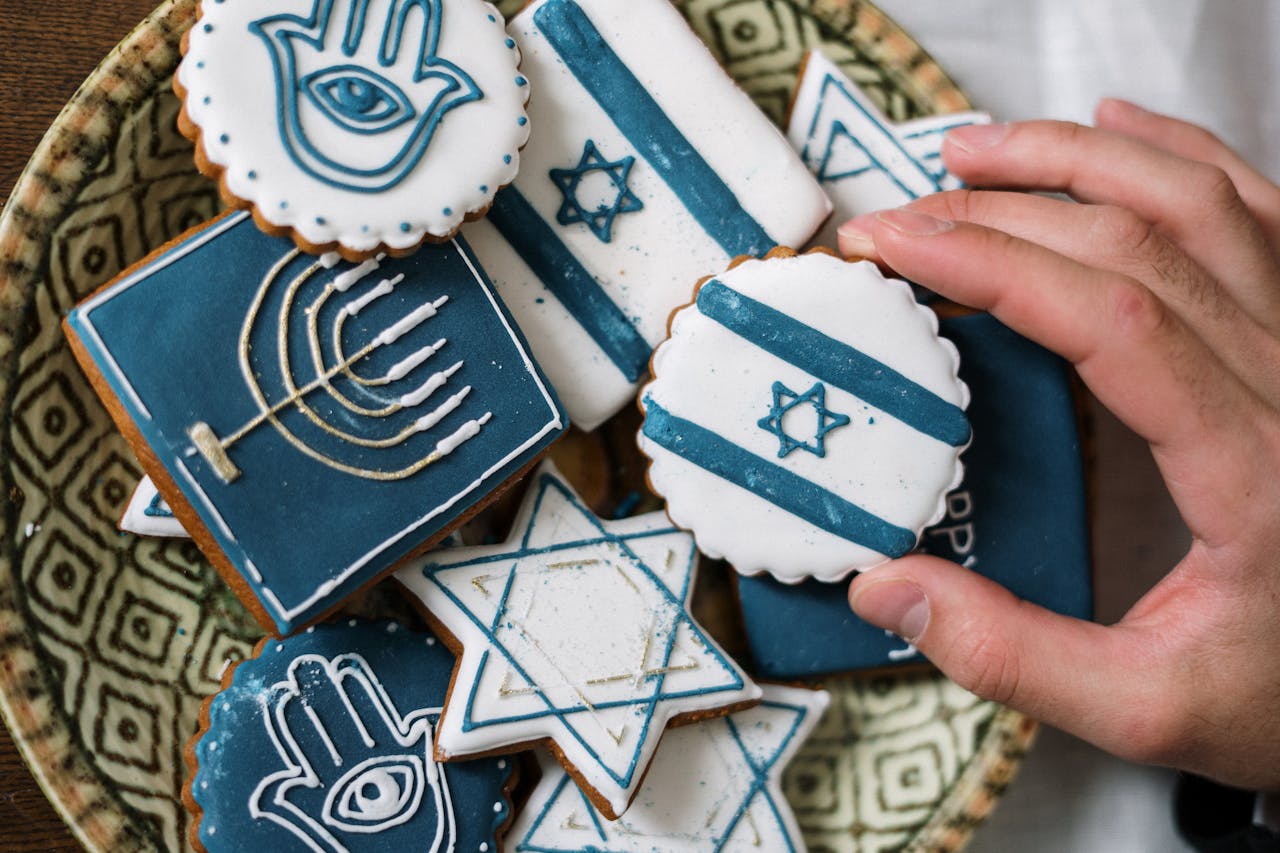
Pesach, also known as Jewish Passover, is one of the most important holidays in Judaism. It commemorates the liberation of the Jewish people from slavery in Egypt, a foundational event that intertwines historical memory, faith, and cultural identity. Yet Pesach is not only a religious observance: it is also a deeply familial and communal occasion, marked by domestic rituals, stories passed down through generations, and a symbolic cuisine that has endured across the centuries.
This holiday, which lasts eight days in the diaspora tradition and seven in Israel, follows the Hebrew calendar and falls between March and April. During this time, homes are carefully prepared, leavened foods are removed, and ritual dinners called Seders are organized, during which the story of the Exodus is retraced through readings, prayers, and foods with powerful symbolic meaning.
The Meaning of Pesach in Jewish Tradition
The word “Pesach” literally means “passing over,” referring to the biblical episode in which God “passed over” the homes of the Israelites during the final plague of Egypt. This event marks the beginning of freedom and self-determination for the Jewish people, transforming the holiday into a universal symbol of liberation from oppression.
Pesach invites reflection not only on ancient history but also on the value of freedom in the present. It is a celebration that speaks of resilience, hope, and collective responsibility. During the holiday, the story of the Exodus is not simply remembered: it is relived as if every generation had personally been freed from slavery.
The Pesach Seder: The Heart of the Celebration
The central moment of Jewish Passover is the Seder, a ritual dinner held on the first two evenings of the holiday. The word “Seder” means “order” and refers to the precise sequence of gestures, prayers, and readings that guide the evening.
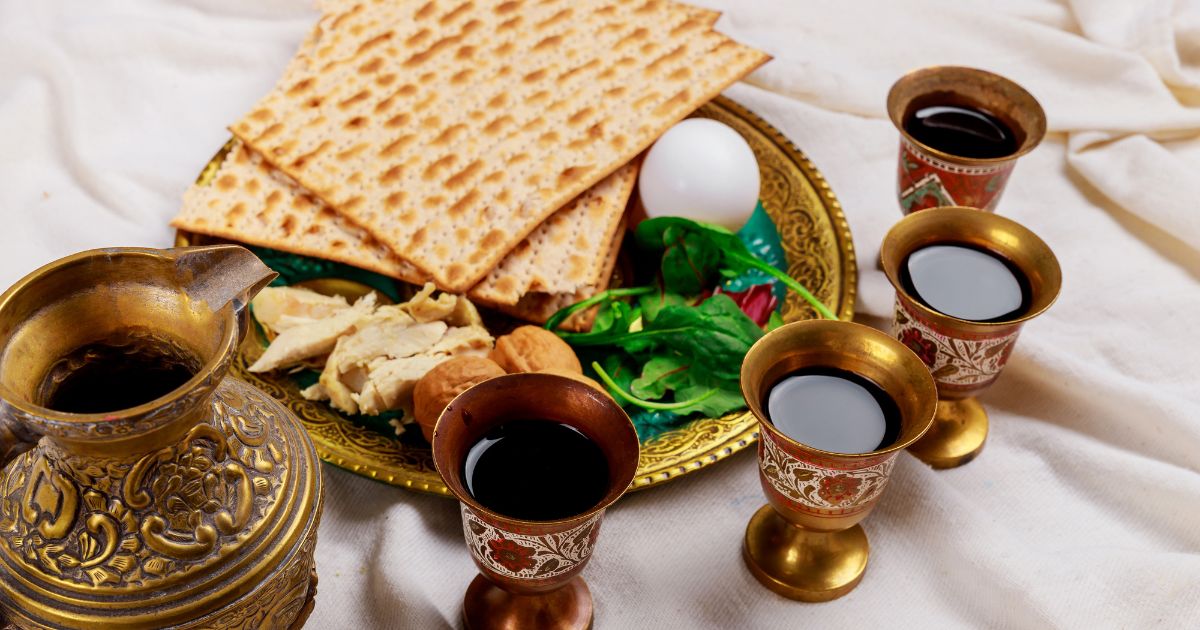
During the Seder, the Haggadah is read, the text that recounts the departure from Egypt and explains the meaning of the rituals. Participants drink four cups of wine, symbolizing the divine promises of redemption, and eat specific foods arranged on the ritual plate, each with a precise meaning.
Among the most important elements are:
- Matzah, unleavened bread that recalls the haste with which the Jews left Egypt
- Maror, bitter herbs symbolizing the harshness of slavery
- Charoset, a sweet mixture of nuts, fruit, and wine representing the mortar used by the slaves
- Karpas, a vegetable dipped in salt water, symbolizing the tears shed
The Seder is also an educational moment: younger participants ask ritual questions and adults recount the story, reinforcing a sense of belonging and continuity.
Dietary Laws of Pesach and the Meaning of Kosher Food
During Pesach, dietary rules become particularly strict. The consumption of chametz, any leavened food made from fermented grains such as wheat, barley, rye, oats, and spelt, is forbidden. This prohibition concerns not only eating but also possession: many families thoroughly clean their homes to remove every trace of leavened products.
Instead, foods that are certified kosher for Passover are consumed, prepared according to specific rules. The concept of kosher, indicating what complies with Jewish dietary laws, takes on an even stricter meaning during Pesach.
Traditional Jewish dishes for this holiday include:
- Soups with kneidlach (matzah balls)
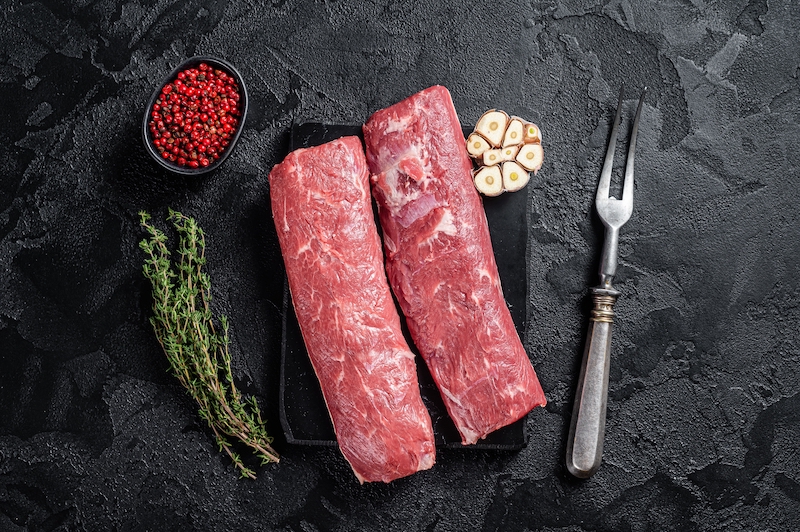
- Roasted meat or poultry
- Simple vegetable dishes and side plates
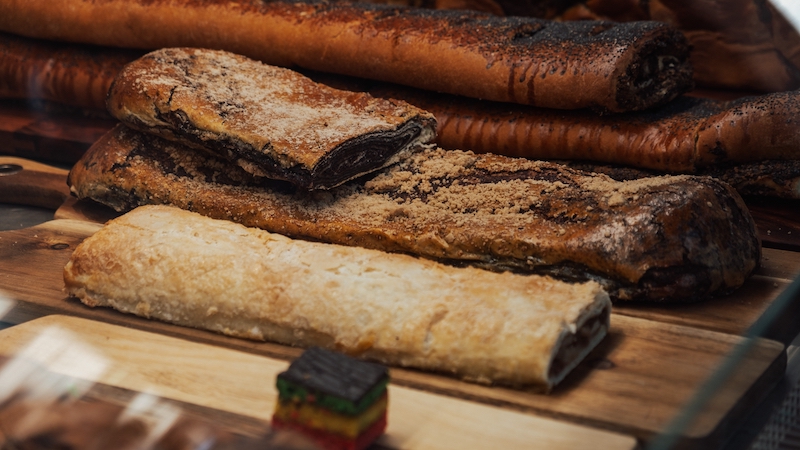
- Desserts prepared without leavened flours
Jewish Cuisine and Family Traditions
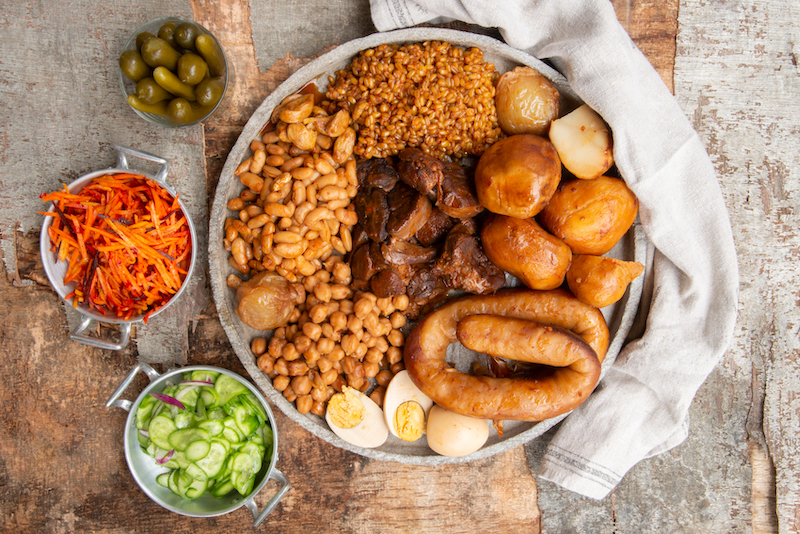
Pesach cuisine varies widely depending on Jewish communities. The Ashkenazi traditions of Eastern Europe differ from the Sephardic traditions of the Mediterranean and the Middle East, yet they share the same spirit: preserving memory through food.
In Ashkenazi families, dishes such as gefilte fish or matzah ball soup are common, while Sephardic communities prepare dishes based on rice, legumes, and aromatic spices, often accompanied by fresh herbs and citrus.
Food thus becomes a language of identity. Recipes are handed down as a family heritage, tied to childhood memories and the history of migration. Preparing Pesach dishes means keeping alive a bond with previous generations.
Pesach Today: Between Spirituality and Togetherness
In the contemporary world, Pesach continues to be celebrated with great participation, even by those who observe religion less strictly. Many see this holiday as an opportunity to gather with family, slow down daily rhythms, and reflect on fundamental values.
The communal dimension remains central: the table becomes the place where faith and culture meet. Even those who do not strictly follow all dietary rules take part in the Seder and rituals, recognizing Pesach as a moment of identity and community.
Moreover, Jewish Passover symbolically resonates with other spring traditions that celebrate renewal and freedom, giving it a universal significance.
Why Pesach Fascinates Even Non-Jews
Pesach also attracts interest beyond the Jewish world because of its rich symbolism and culinary heritage. The story of the Exodus has influenced Western culture, literature, and cinema, while kosher cuisine is increasingly appreciated for its emphasis on quality and tradition.
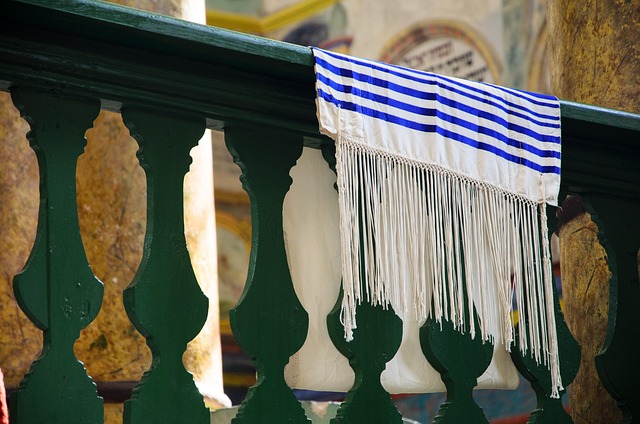
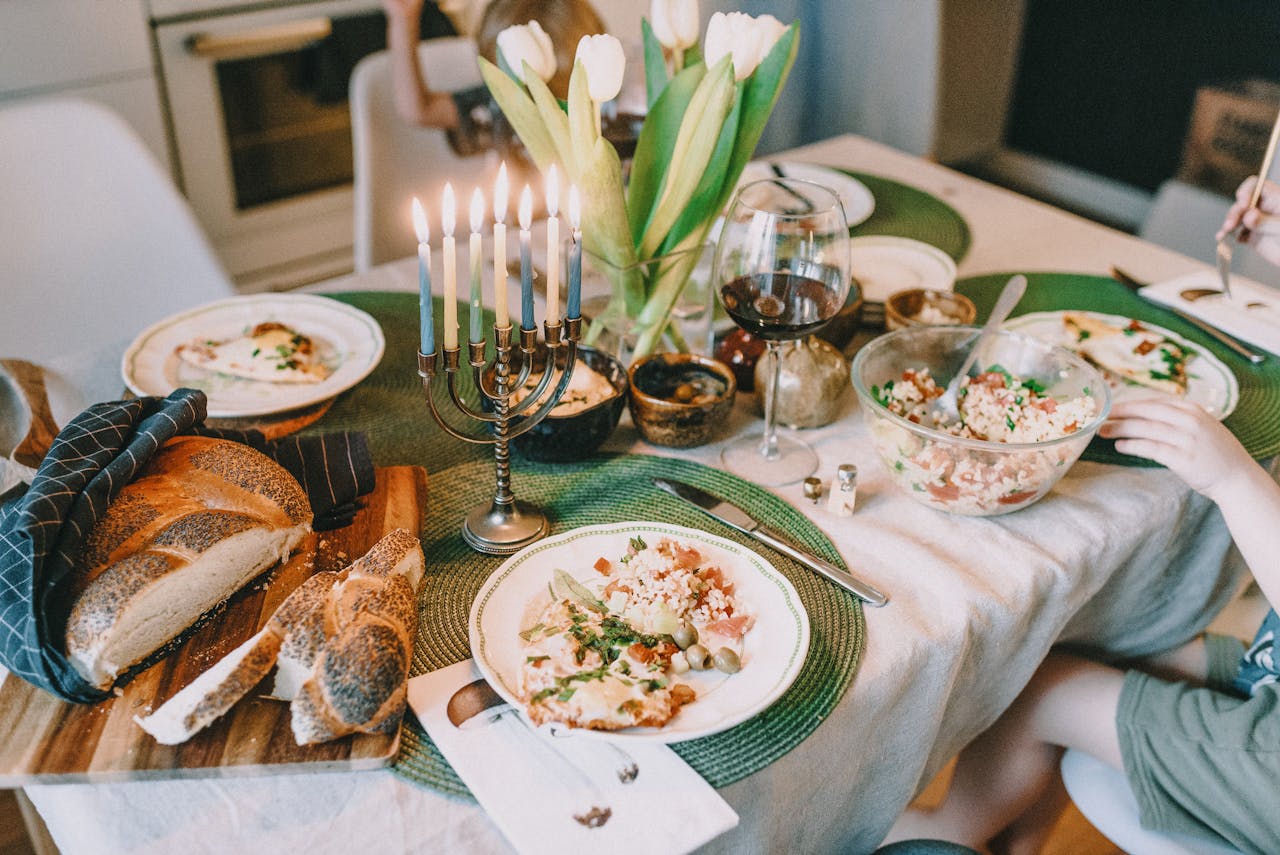
Participating in a Seder as a guest offers the chance to connect with a millennia-old history lived through concrete gestures: lighting candles, breaking unleavened bread, sharing wine, and recounting the story of freedom.
In an era dominated by speed, Pesach invites people to pause and value the past, transforming a dinner into an experience of collective memory.
Where to Eat Authentic Kosher for Passover Food in Rome
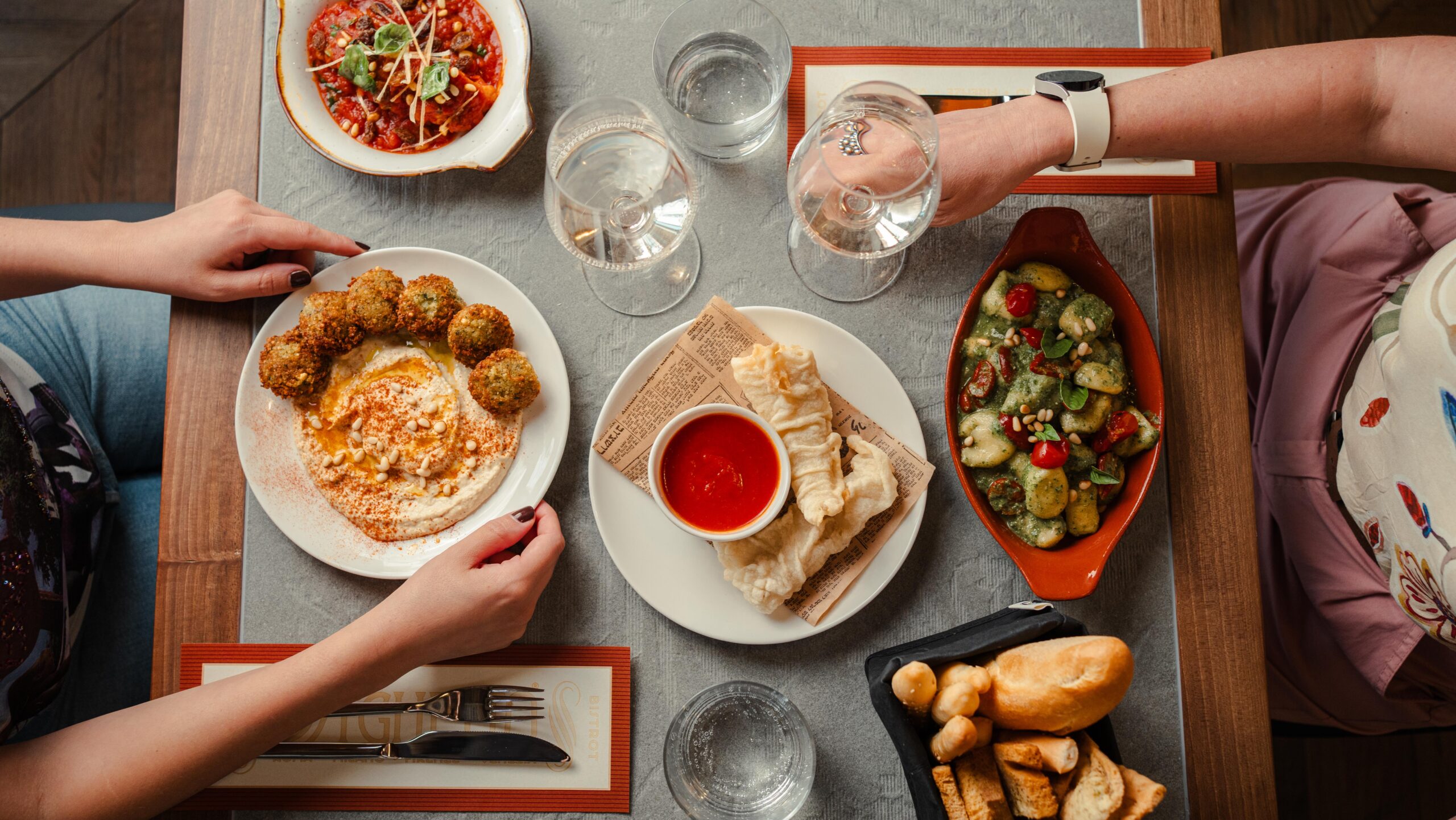
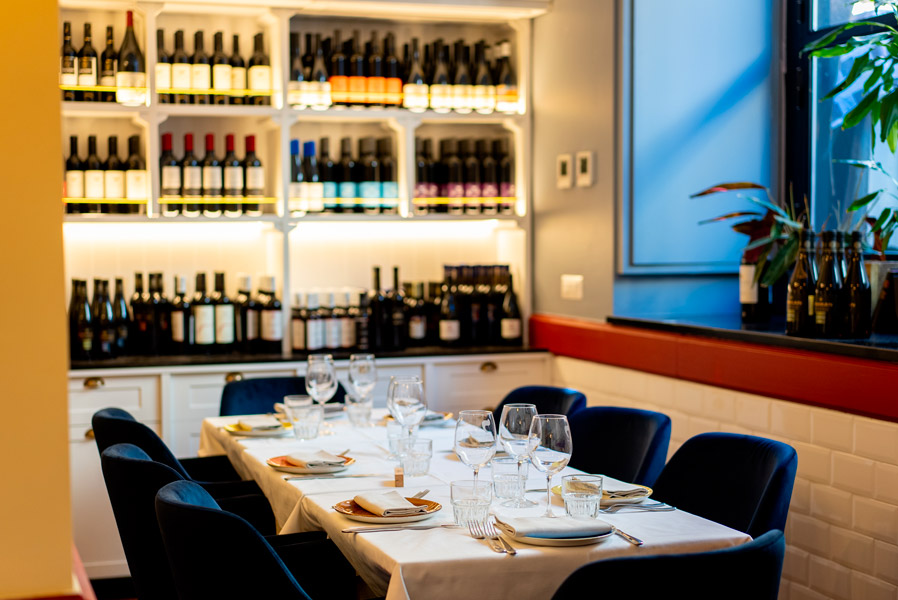
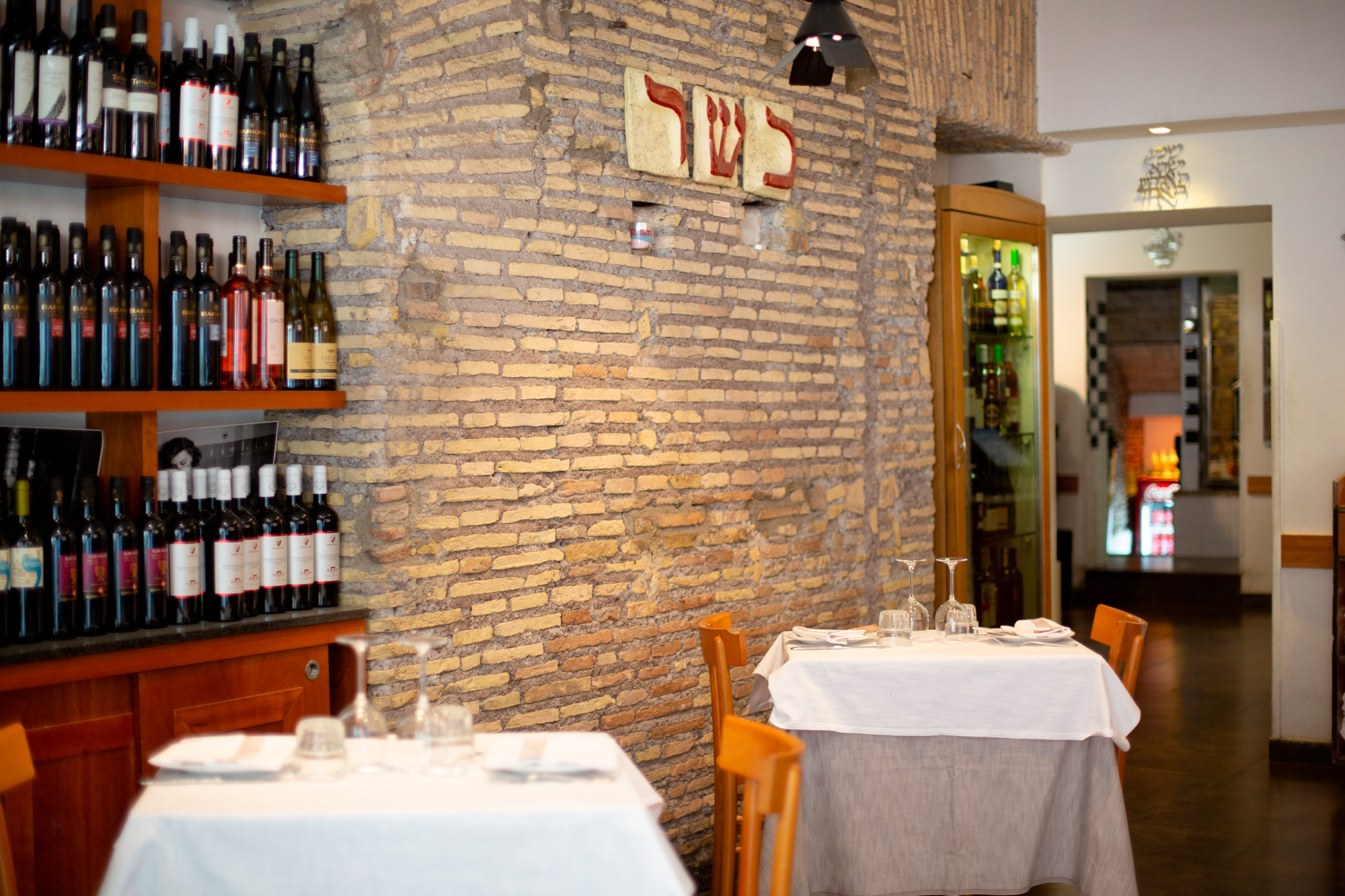
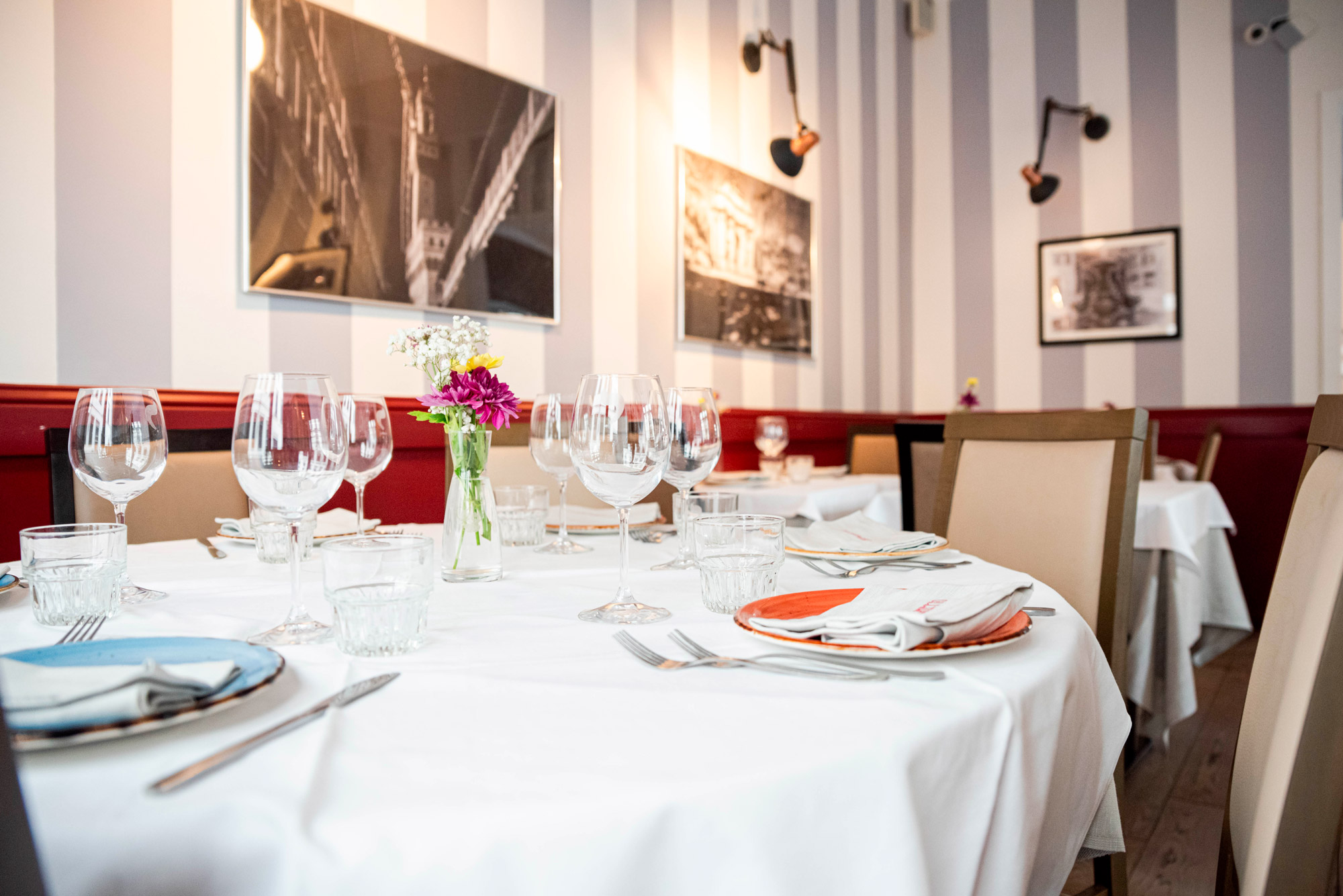
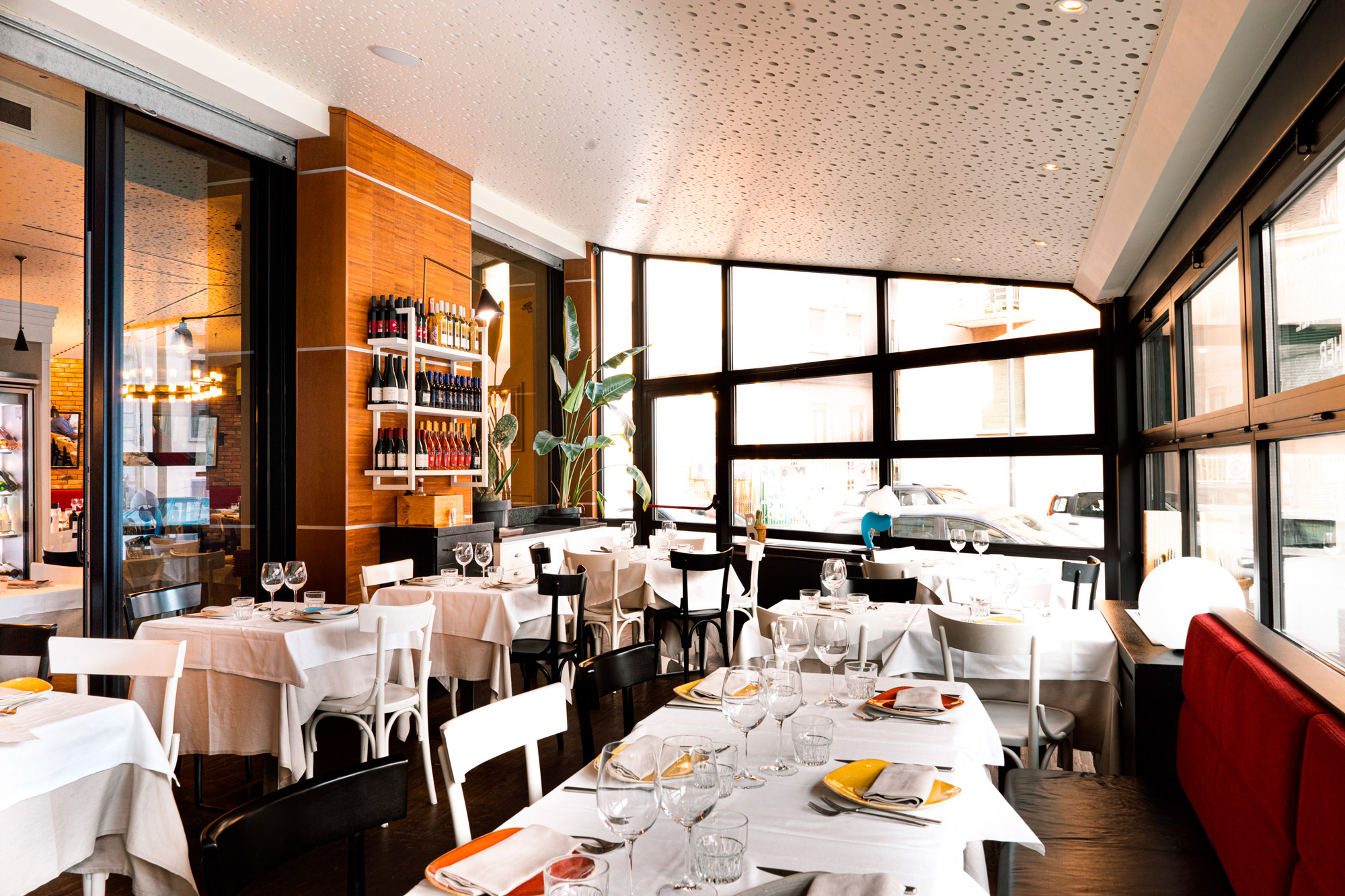
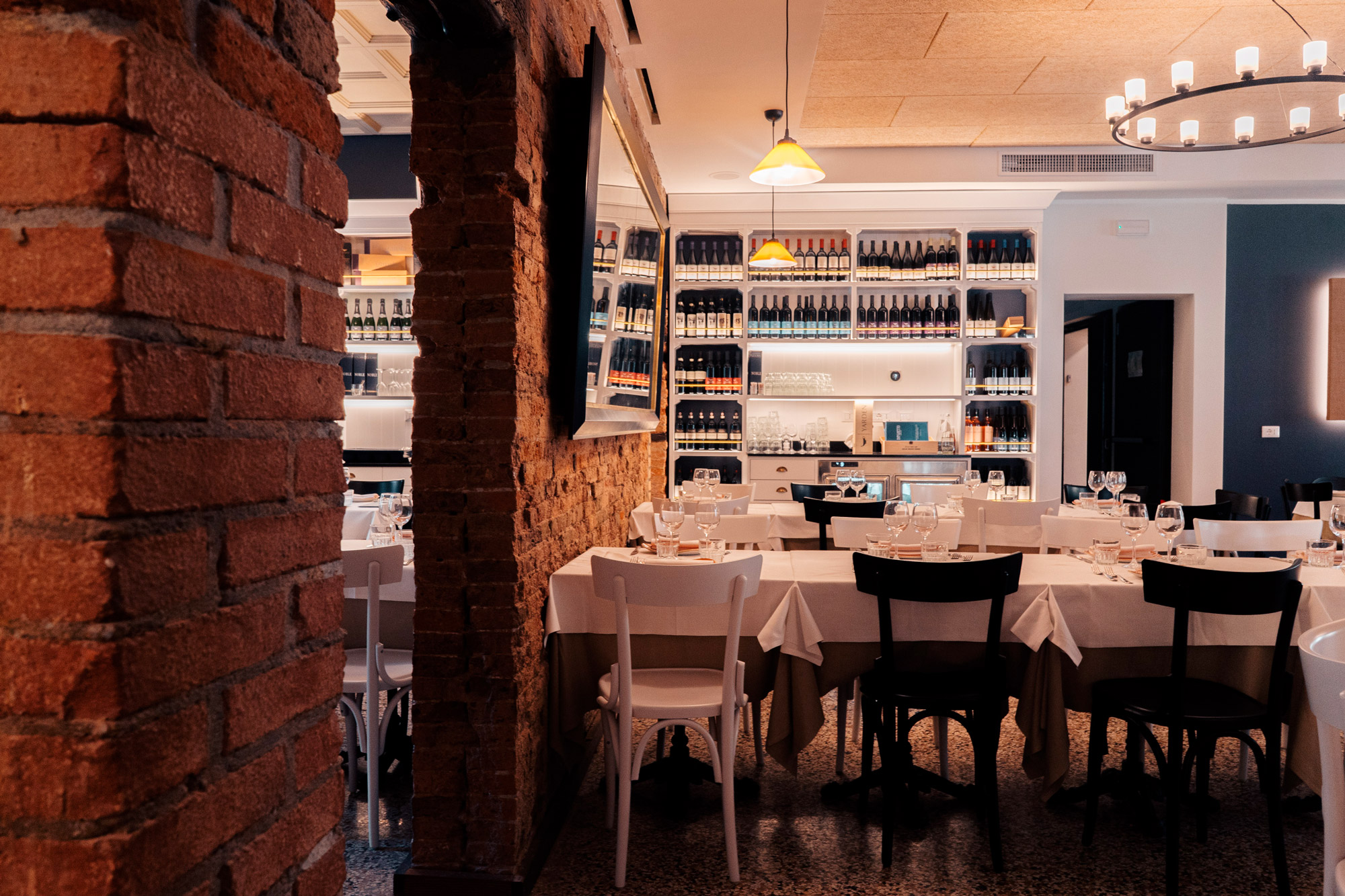
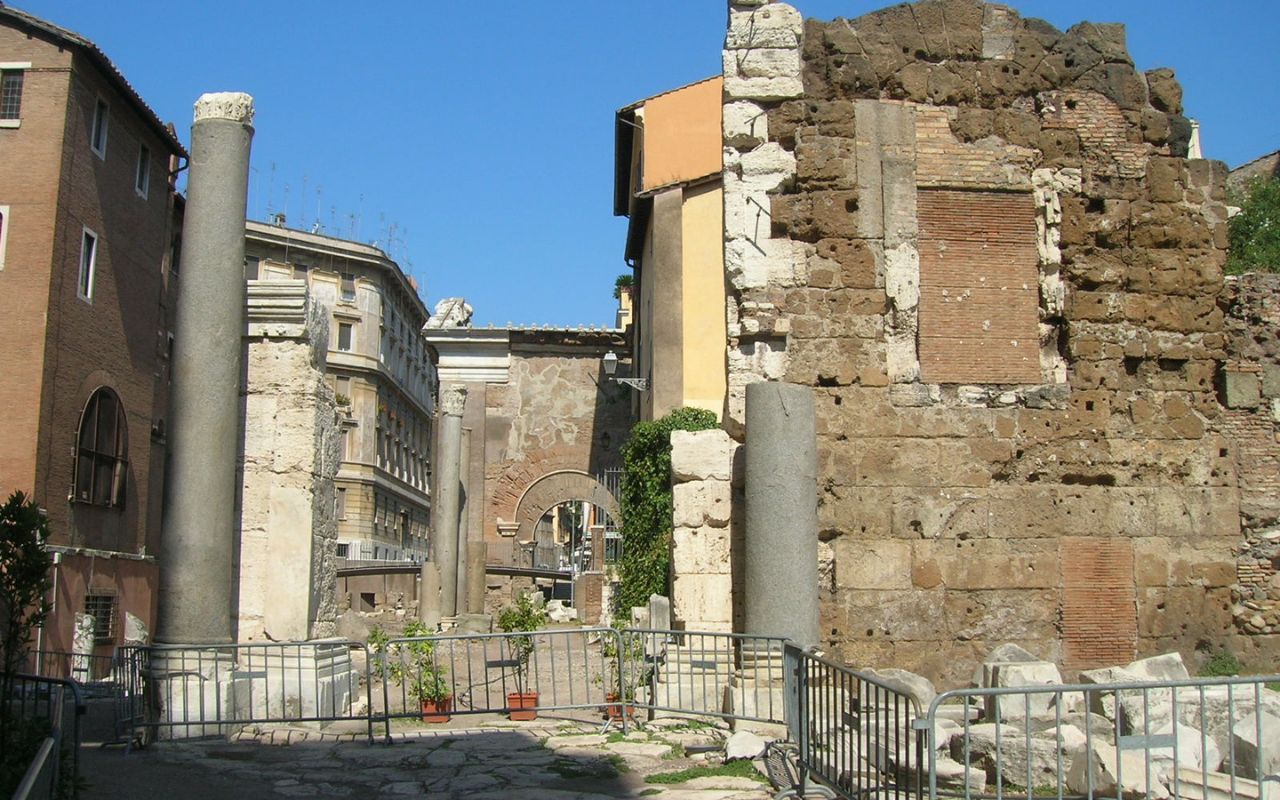
To truly understand the spirit of Pesach, reading about it is not enough—you have to taste it. Experiencing this holiday through traditional dishes allows you to connect with a millennia-old culture of gestures, symbols, and flavors passed down over time. In the heart of the Jewish Ghetto of Rome, Ba’Ghetto is a landmark for those who wish to discover Jewish-Roman cuisine in an authentic and welcoming setting. During the Pesach period, the menu is enriched with kosher preparations that respect the rules of the holiday without sacrificing flavor.
Booking a table here means transforming a simple dinner into a journey through faith, tradition, and conviviality, experiencing firsthand the unique atmosphere of Jewish Passover.
Book a table now at Ba’Ghetto and celebrate Pesach with an authentic gastronomic experience.
17.02.26
Share