




Visiting Rome means immersing yourself in a cultural layering unlike anywhere else in the world, where every era has left tangible traces. Among the less obvious yet most fascinating places in the city, the Jewish Museum of Rome stands out as an essential stop for understanding a millennia-old history that is often overlooked, yet deeply intertwined with that of the Capital.
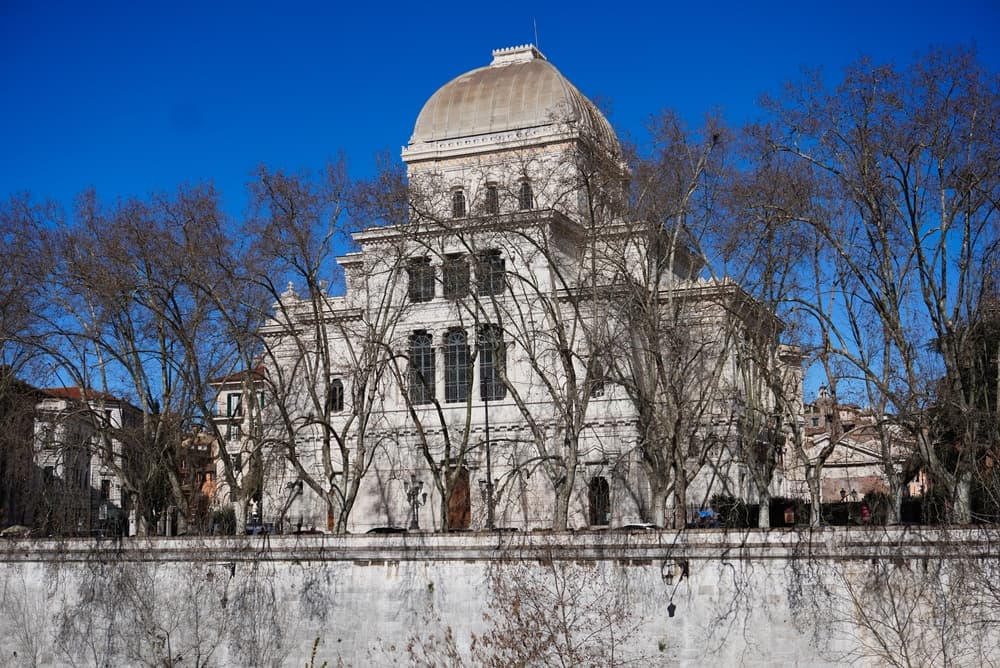
Located within the complex of the Great Synagogue of Rome, in the heart of the Jewish Ghetto, this museum offers an intense journey through art, religion, memory, and identity. It is not just a collection of objects: it is a living narrative that spans over two thousand years of Jewish presence in Rome.
Where the Jewish Museum of Rome is located and why it is so important
The museum is situated in the Jewish Ghetto district of Rome, one of the most distinctive and historically rich areas of the city. Here, among narrow streets and buildings that tell centuries of history, lies one of the oldest Jewish communities in Europe.
Its location is no coincidence: the museum is an integral part of the Great Synagogue, a symbol of the community’s rebirth after the Unification of Italy. This setting allows visitors to enjoy a complete experience, combining the museum dimension with a spiritual one.
Why is it so important? Because it tells a continuous story, without interruption, from ancient Roman times to the present day. A narrative that includes moments of integration, but also of persecution, such as during the period of the Ghetto established in the 16th century.
What to see at the Jewish Museum of Rome
Entering the museum means stepping into a rich and surprising exhibition path. The rooms are organized thematically, allowing visitors to explore different aspects of Roman Jewish culture.
The sacred art collections
One of the museum’s highlights is its extraordinary collection of liturgical objects. Among them:
- Finely crafted silver items used during religious celebrations
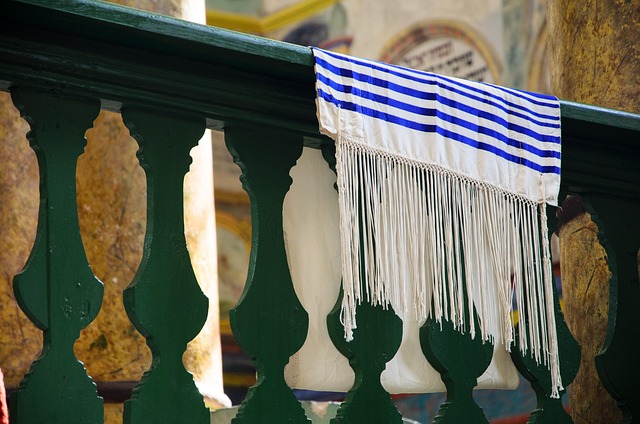
- Precious textiles, often hand-embroidered
- Torah crowns and other ritual elements
These objects are not only artistic testimonies but also tell the story of the community’s daily life and its relationship with faith.
Historical documents and manuscripts
The museum preserves important documents that help reconstruct the history of Jews in Rome. These include:
- Ancient manuscripts
- Official records
- Testimonies of life in the Ghetto
This section is particularly interesting for those who want to explore the historical context and understand how the community has resisted and evolved over time.
The five synagogues and their stories
A fascinating aspect of the museum is the story of the five historic synagogues that once existed in the Ghetto. Each represented a different tradition and geographical origin.
Through panels, objects, and reconstructions, visitors can discover how these identities gradually merged over time, while still preserving distinctive characteristics.
How long does a visit to the Jewish Museum of Rome take?
One of the most common questions concerns the duration of the visit. On average, exploring both the museum and the Great Synagogue takes about 1.5 to 2 hours.
Those who wish to take their time or join a guided tour may spend even longer. It is worth it: every room offers details that deserve attention.
Is it possible to visit the Great Synagogue?
Yes, and it is one of the most interesting aspects of the experience. The museum visit also includes access to the Great Synagogue of Rome, but only through a guided tour.
The interior of the synagogue is striking: elegant decorations, golden details, and an imposing architectural structure make it a unique place in Rome.
It is important to know that:
- Access is regulated and takes place in groups
- Certain rules of conduct must be respected
- The guide’s explanations greatly enrich the visit
Why visit the Jewish Museum of Rome
Visiting this museum is not just a cultural activity—it is an experience that leaves a lasting impression.
To understand a lesser-known history Jewish presence in Rome is one of the oldest in the world, yet it often remains outside mainstream tourist routes.
To enjoy a different perspective If you have already visited the Colosseum, the Vatican Museums, and other major attractions, the Jewish Museum offers a completely different view of the city.
To connect art, history, and identity Everything here is intertwined: objects tell the story of faith, faith tells the story of history, and history tells the story of people.
When to visit the Jewish Museum of Rome
The museum is open year-round, but some periods are particularly ideal:
- Spring and autumn: perfect weather to explore the surrounding neighborhood as well
- Weekdays: less crowded than weekends
It is always advisable to check updated opening hours and book in advance, especially during peak seasons.
Visiting the Jewish Ghetto: what to see nearby
After visiting the museum, it is worth spending some time exploring the surrounding area. The Jewish Ghetto of Rome is full of evocative corners and iconic landmarks.
Among the must-see spots:
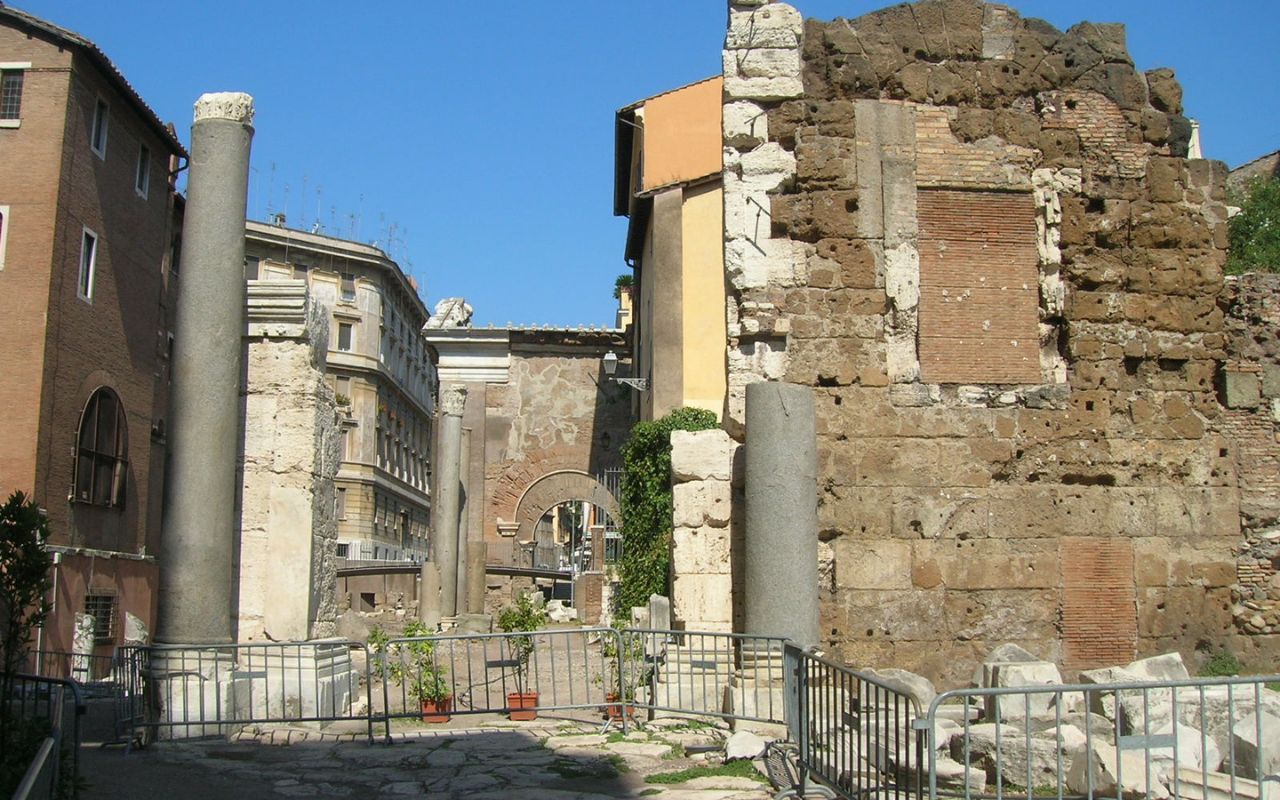
- The Portico of Octavia, an ancient Roman structure
- Tiber Island, perfect for a scenic walk
- Historic restaurants where you can try typical dishes such as carciofi alla giudia
This area is also ideal for a gastronomic break, with a unique culinary tradition that blends Jewish and Roman influences.
Where to eat kosher near the Jewish Museum of Rome
After your museum visit, one of the most authentic experiences you can enjoy is dining in the neighborhood. The Jewish Ghetto of Rome is the heart of the Jewish-Roman culinary tradition, where you can taste iconic dishes prepared according to kosher rules.
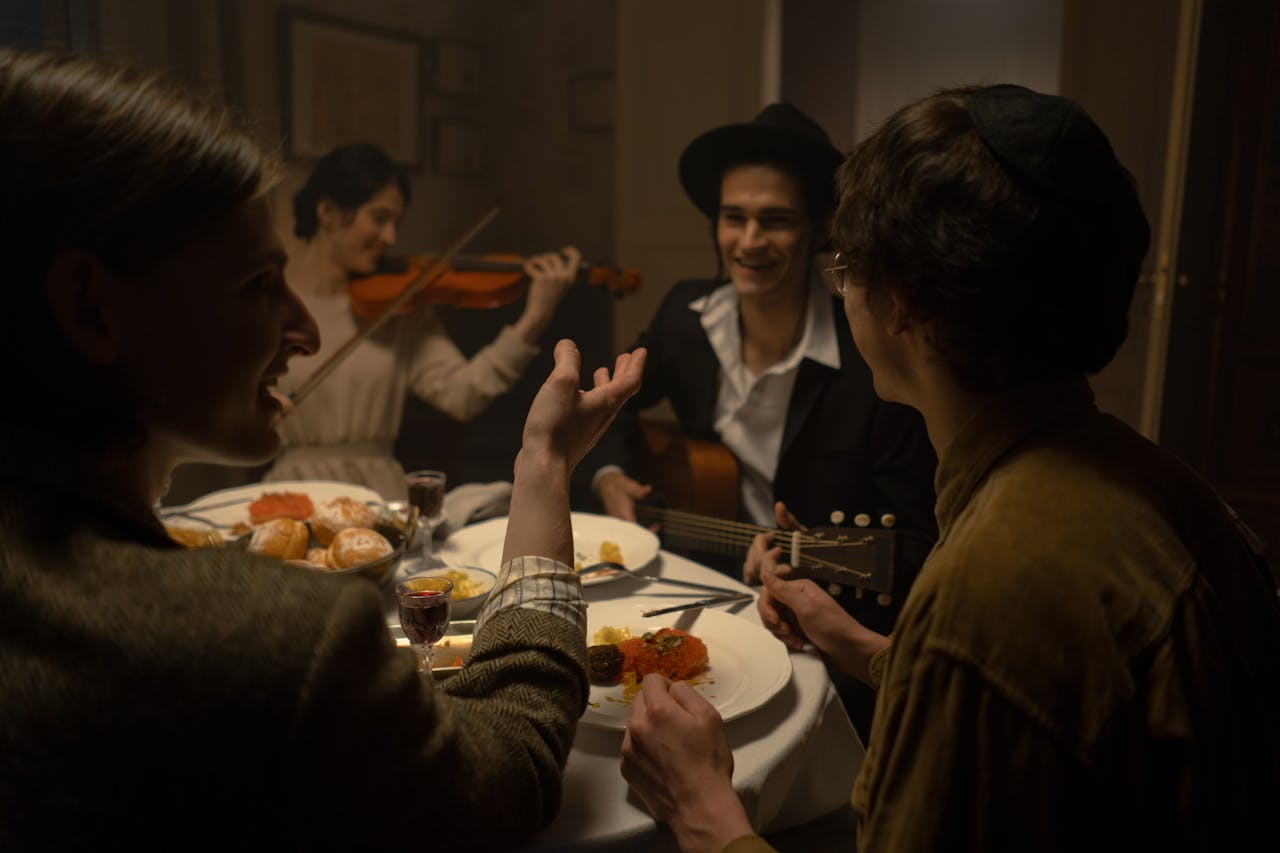
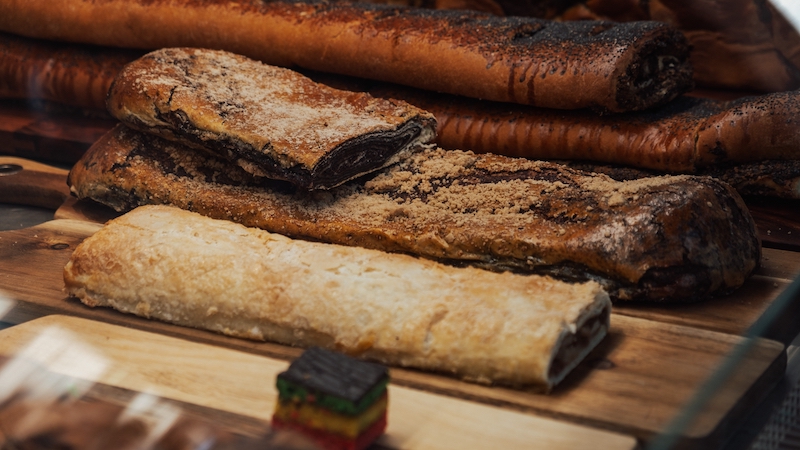
Among the must-try specialties are carciofi alla giudia, crispy and golden, traditional fried dishes from Roman Jewish cuisine, and pasta recipes that reflect a rich history of cultural fusion. In this area, food is not just cuisine—it is culture.
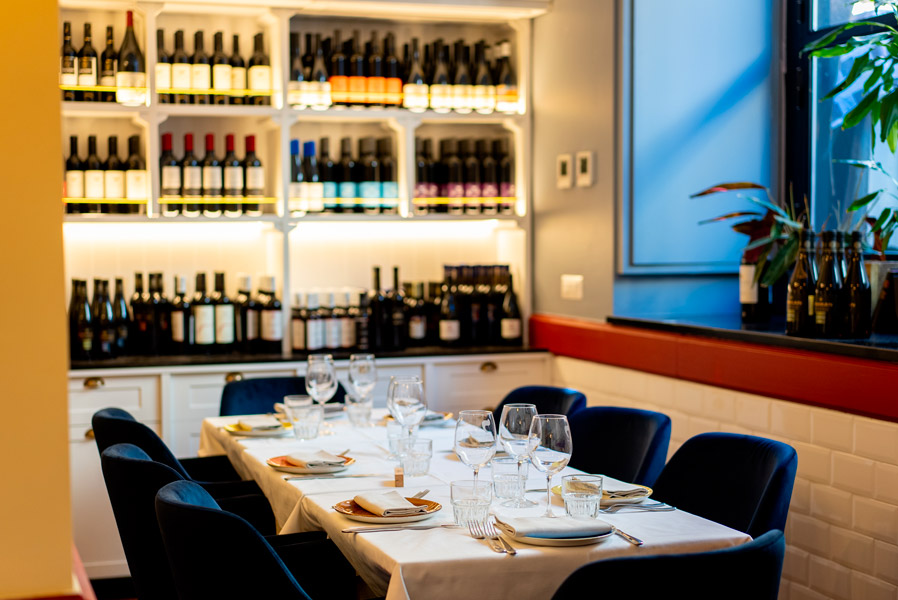
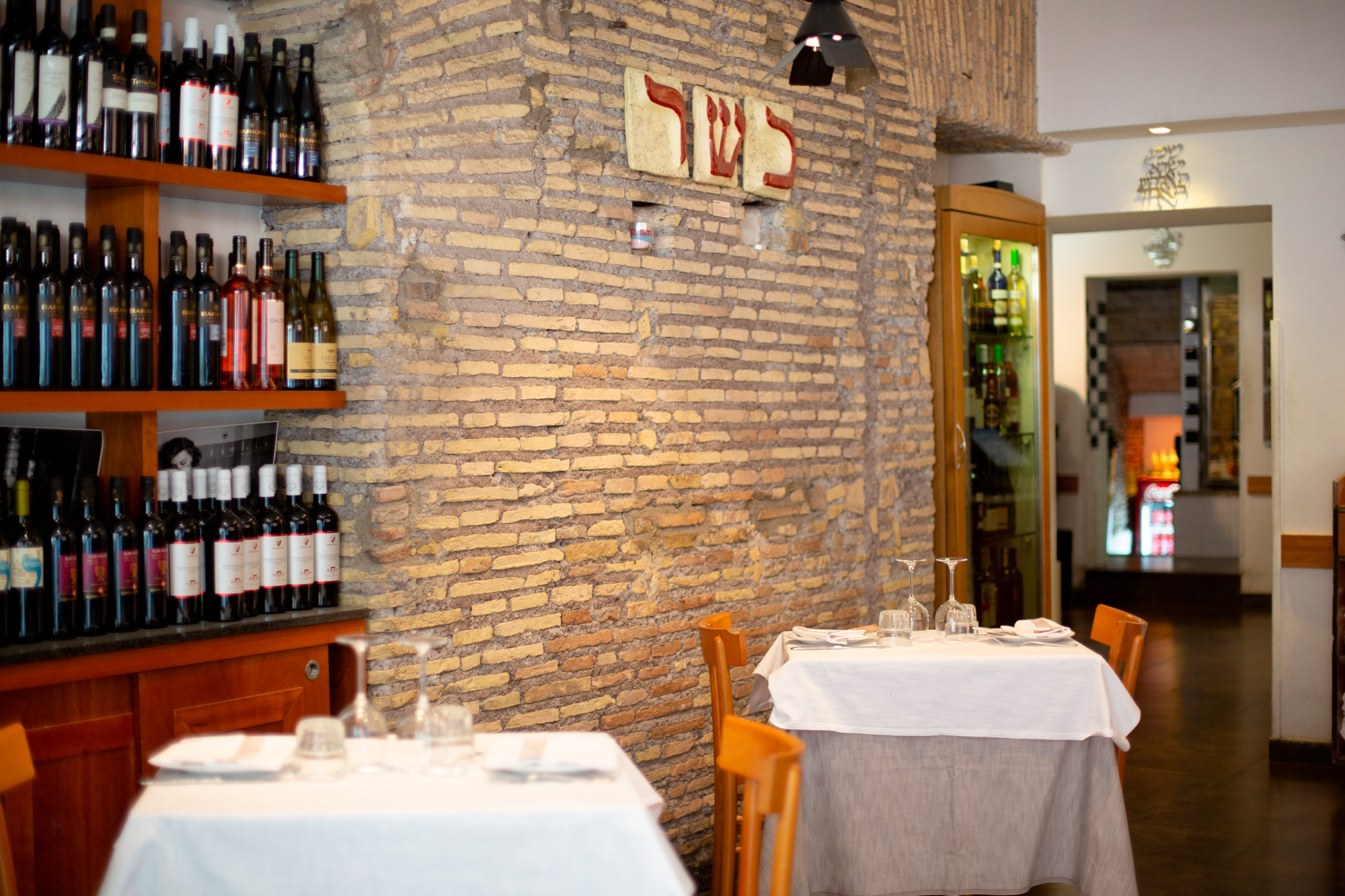
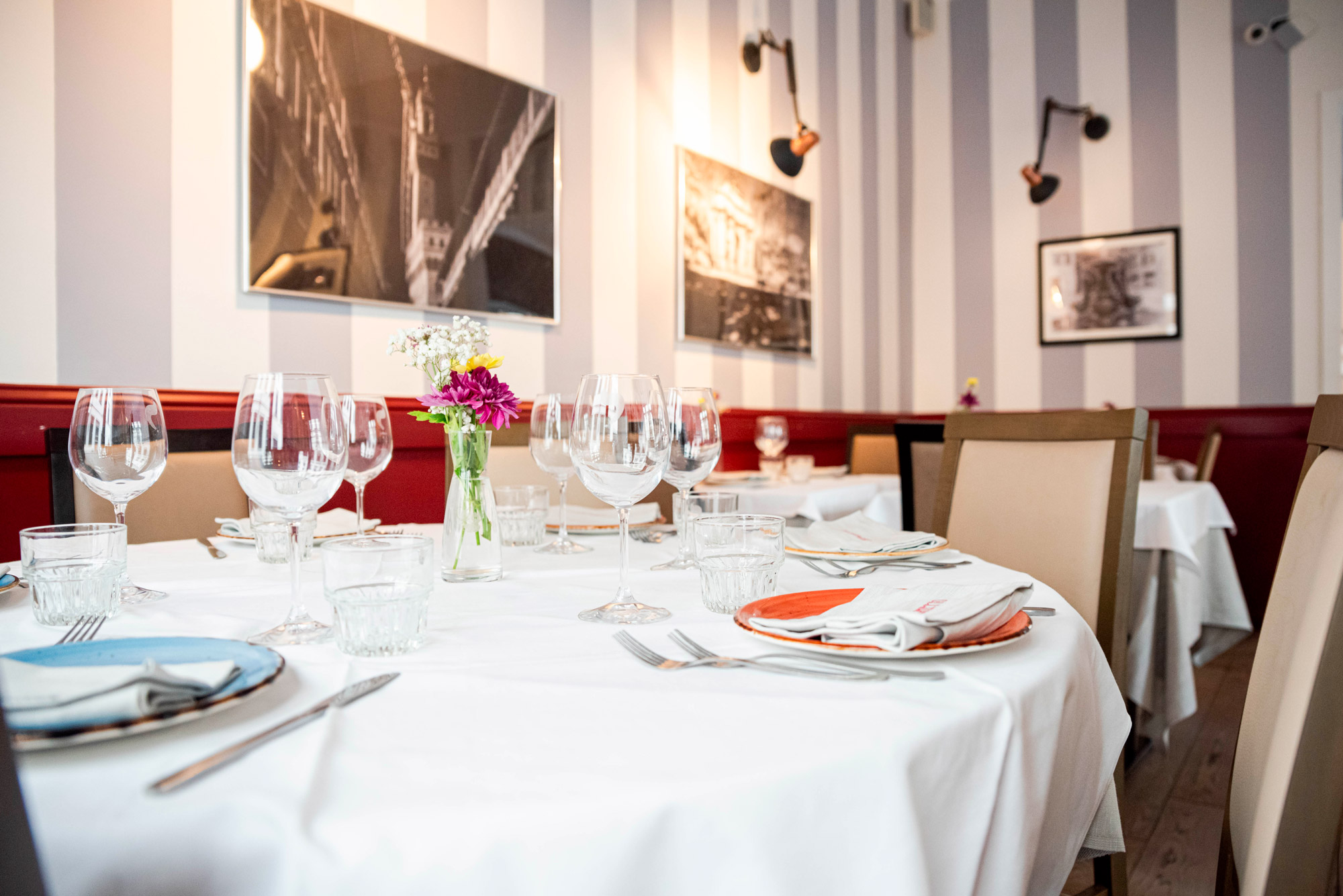
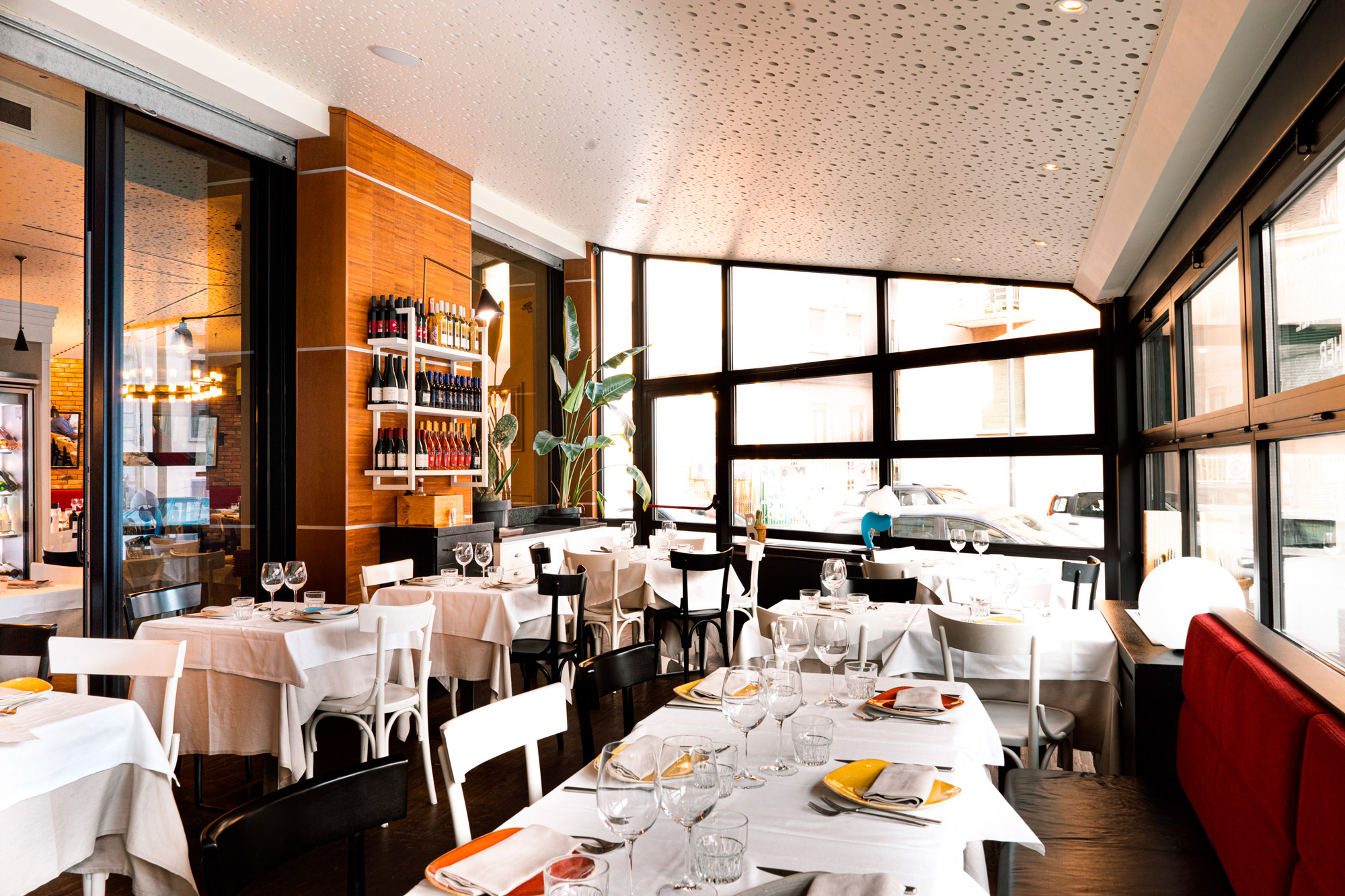
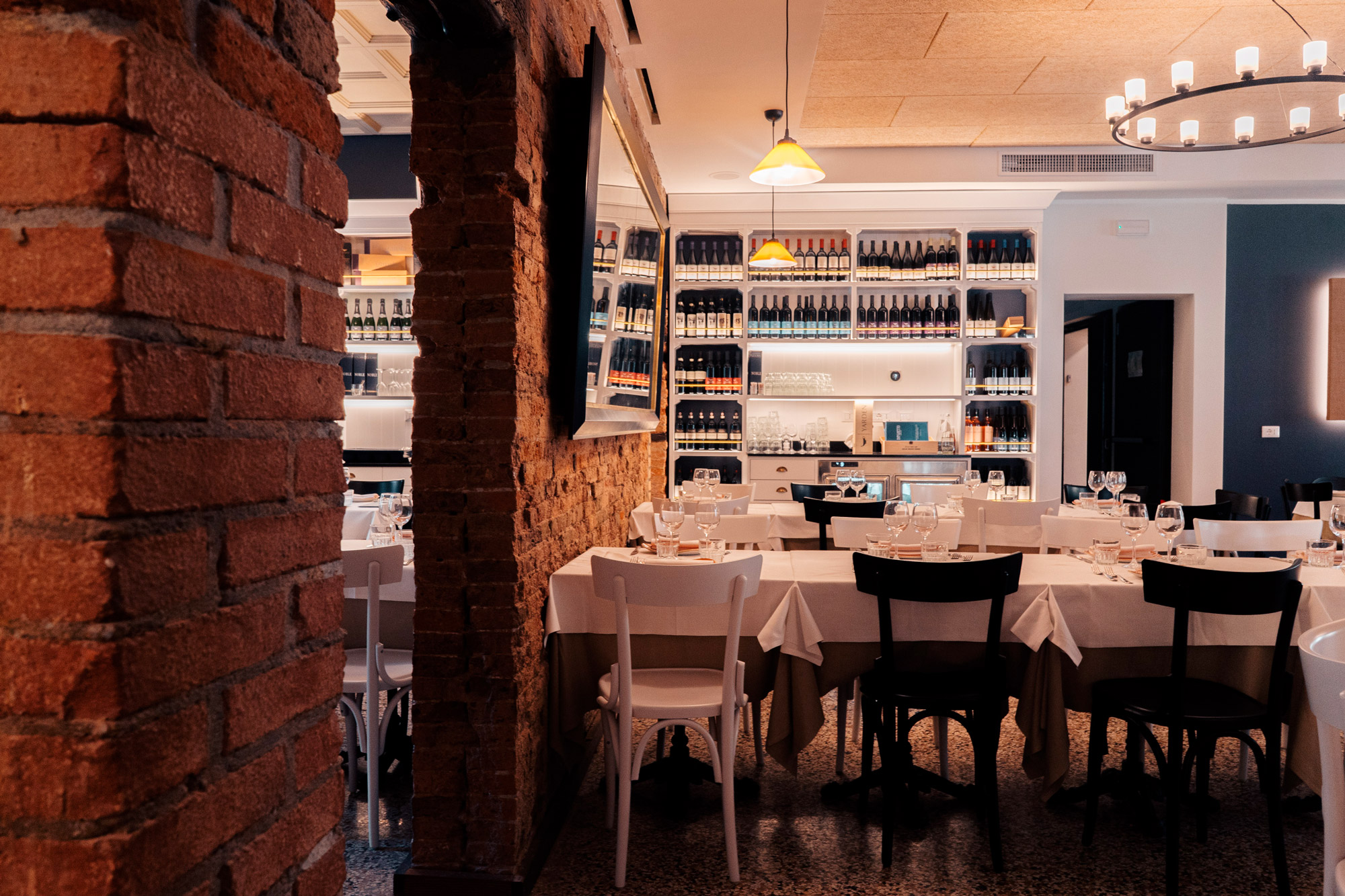
For a complete experience, it is highly recommended to book a table at Ba’Ghetto Bistrot, one of the go-to spots for authentic kosher cuisine in the heart of Rome. Here, you can enjoy traditional dishes reinterpreted with care and quality, in a refined setting perfectly integrated into the historic context of the neighborhood.
01.04.26
Share