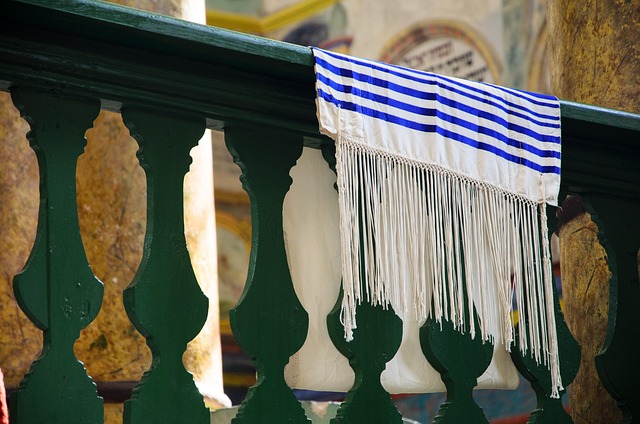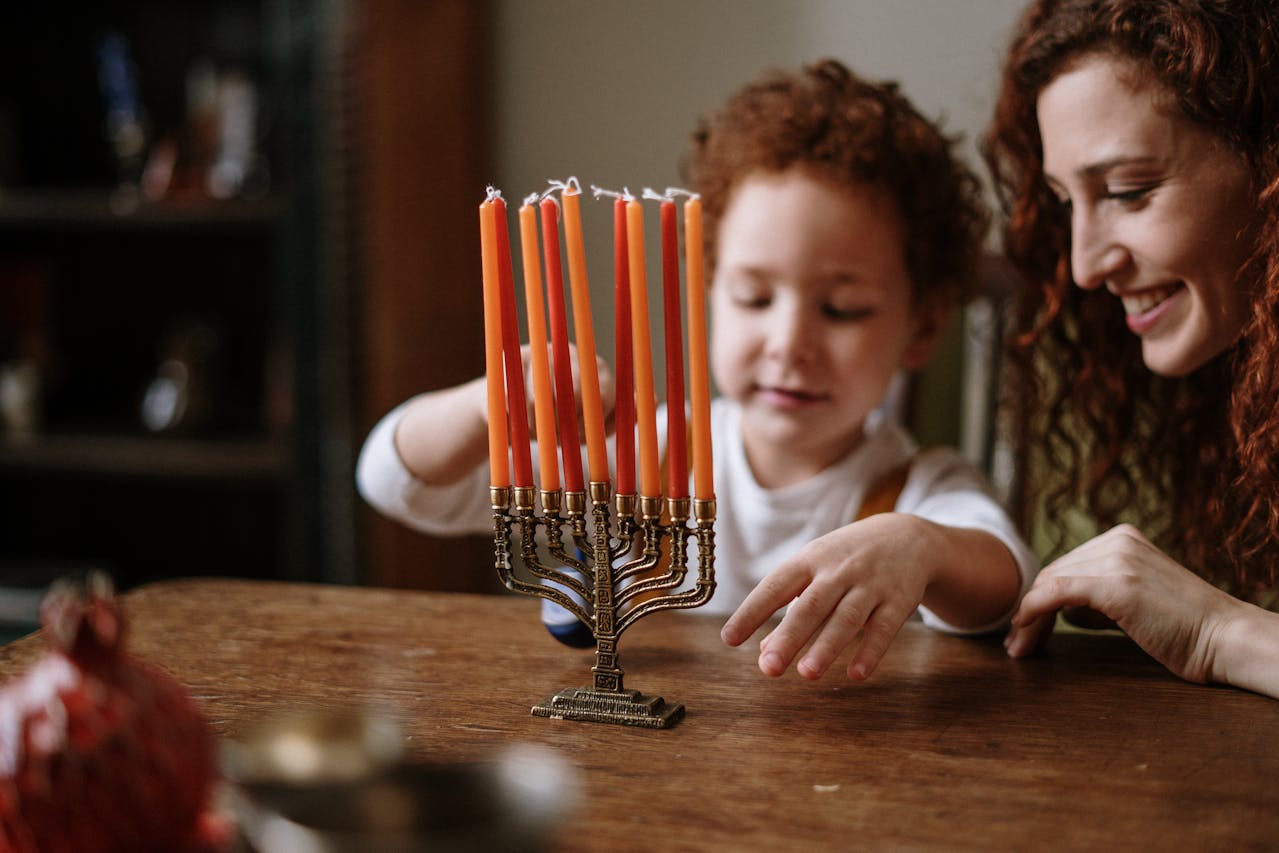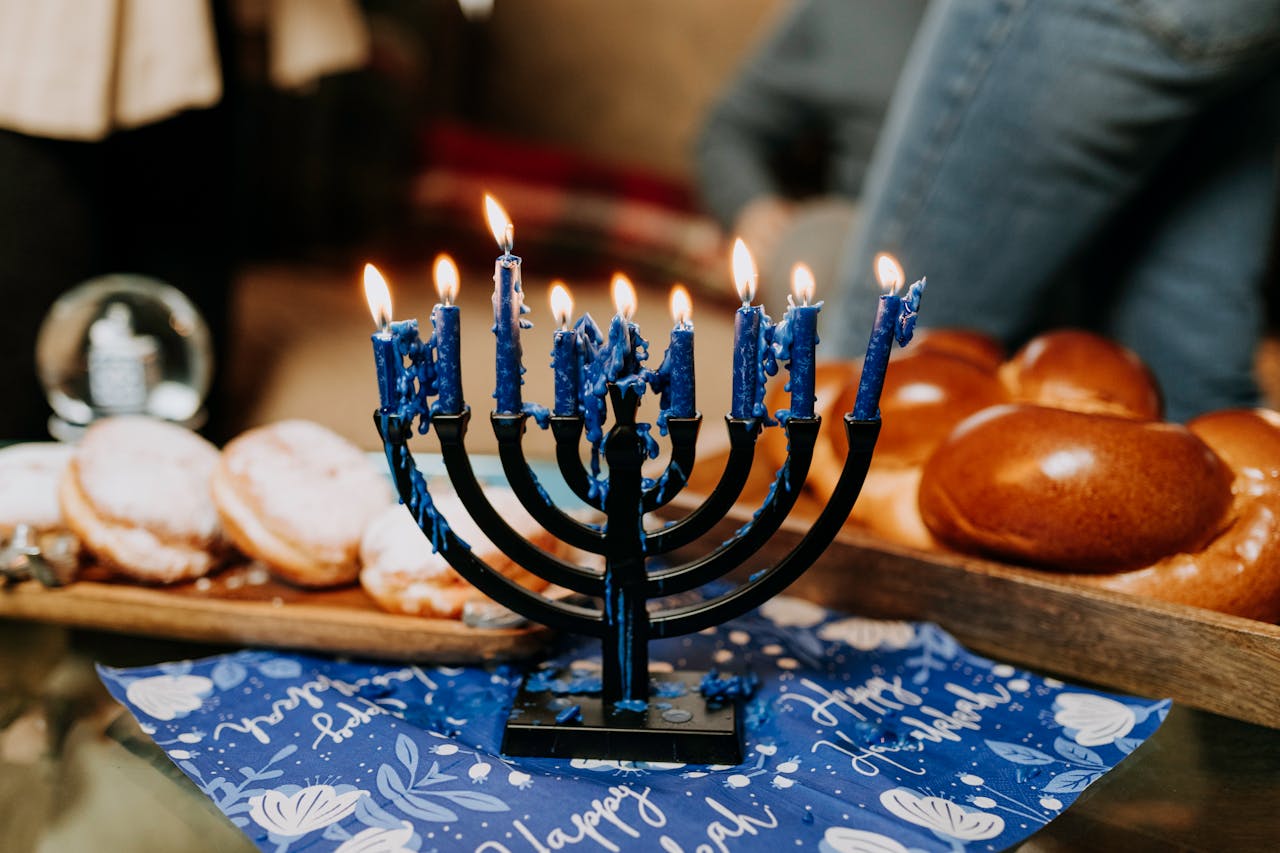





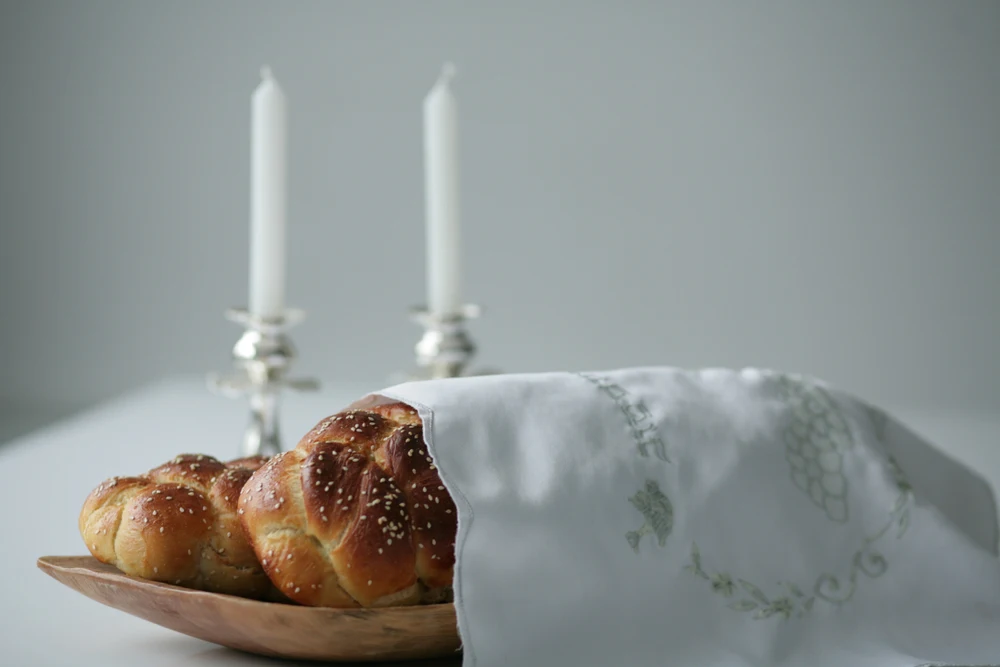
The Shabbat dinner is one of the most meaningful and cherished moments in Jewish tradition. It is not simply a meal, but a true ritual that brings together spirituality, family, hospitality, and culinary culture. Every Friday evening, at sunset, Jewish homes become places of reflection and togetherness, where time seems to slow down and food takes on a deep symbolic meaning.
Even those who are not part of Jewish culture are often fascinated by the atmosphere of Shabbat: the carefully set table, the lit candles, the aroma of freshly baked bread, and recipes passed down from generation to generation. Everything contributes to creating an experience that goes far beyond the idea of an ordinary dinner.
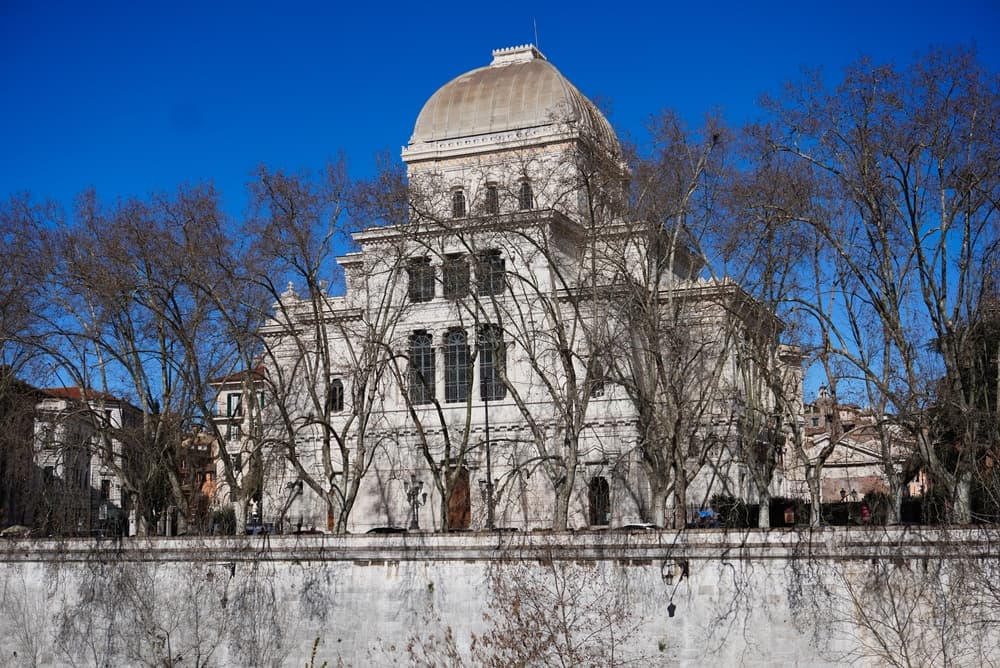
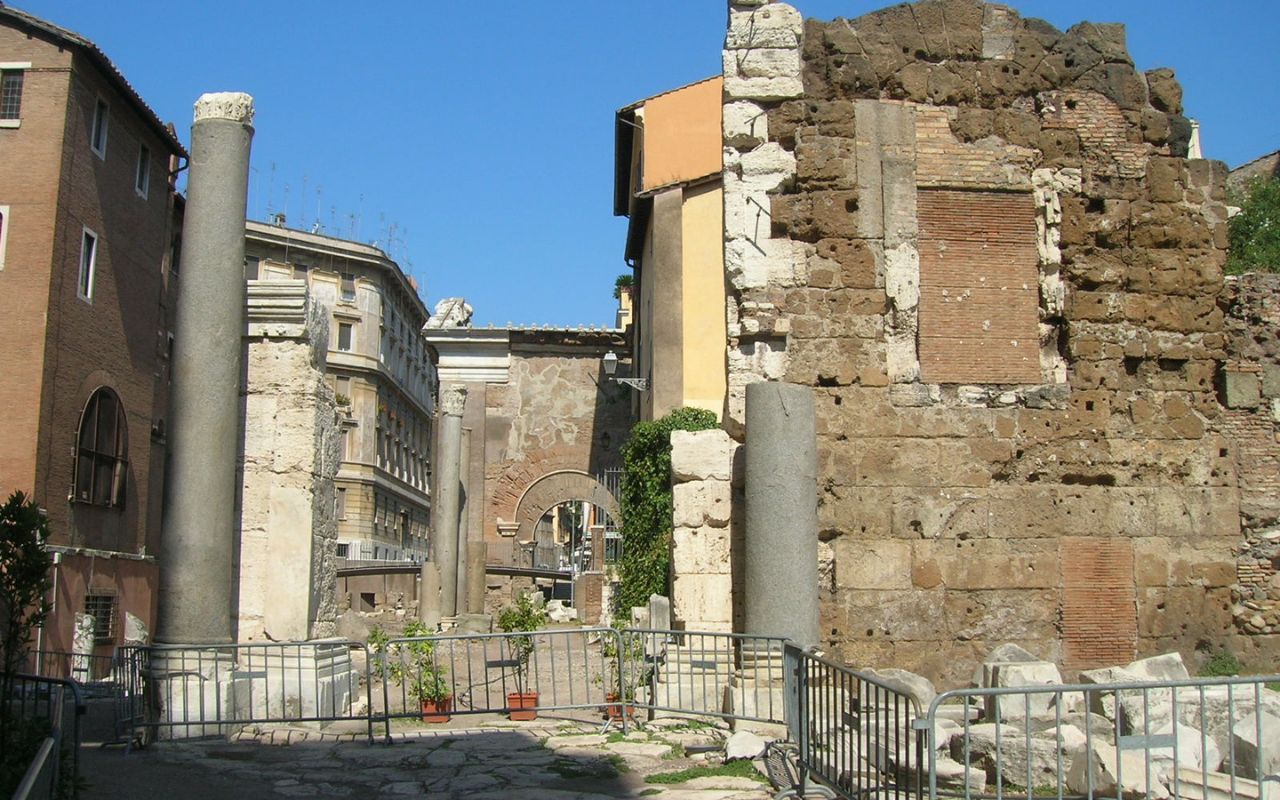
In cities like Rome, where the Jewish community has ancient roots, the cuisine associated with Shabbat still represents an essential part of the local gastronomic tradition today.
What Is Shabbat?
Shabbat is the weekly day of rest in Judaism. It begins at sunset on Friday and ends on Saturday evening, when the first stars appear. It is a time dedicated to spirituality, family, and stepping away from everyday activities.
According to Jewish tradition, work and many practical activities are suspended during Shabbat in order to make room for reflection, prayer, and togetherness. Friday night dinner marks the official beginning of this observance and is considered one of the most important moments of the week.
The preparation of the table and dishes generally takes place in the hours before the beginning of Shabbat, since some household and cooking activities become restricted during the holiday according to religious rules.
The Shabbat Table: Symbols and Meanings
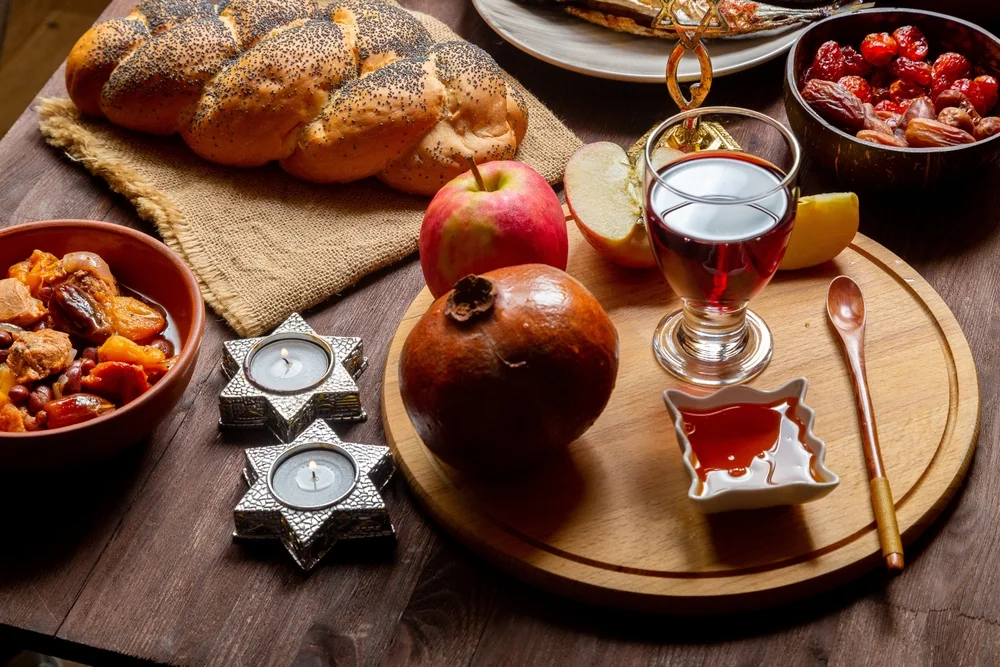
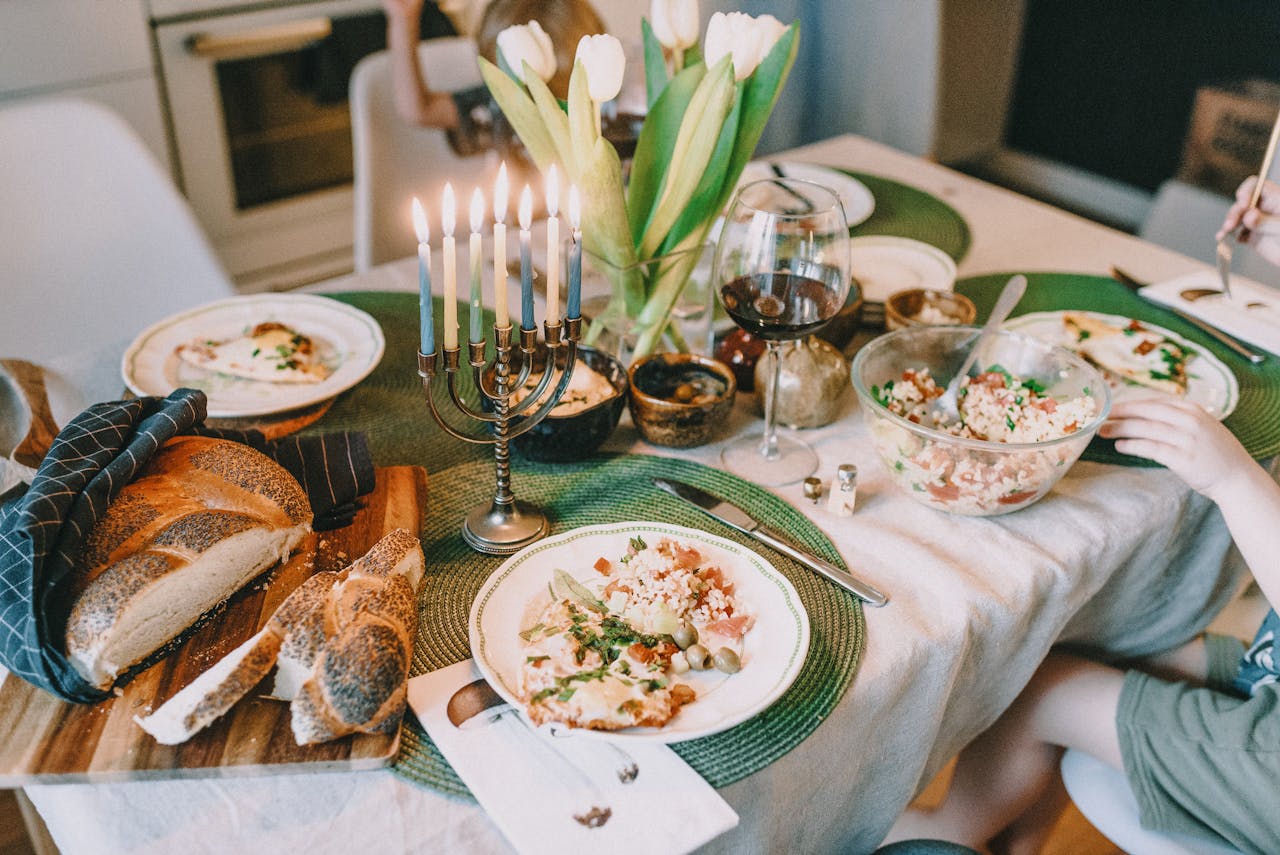
The Shabbat table is never arranged casually. Every element has a specific meaning and helps create a unique atmosphere.
Among the most important elements are:
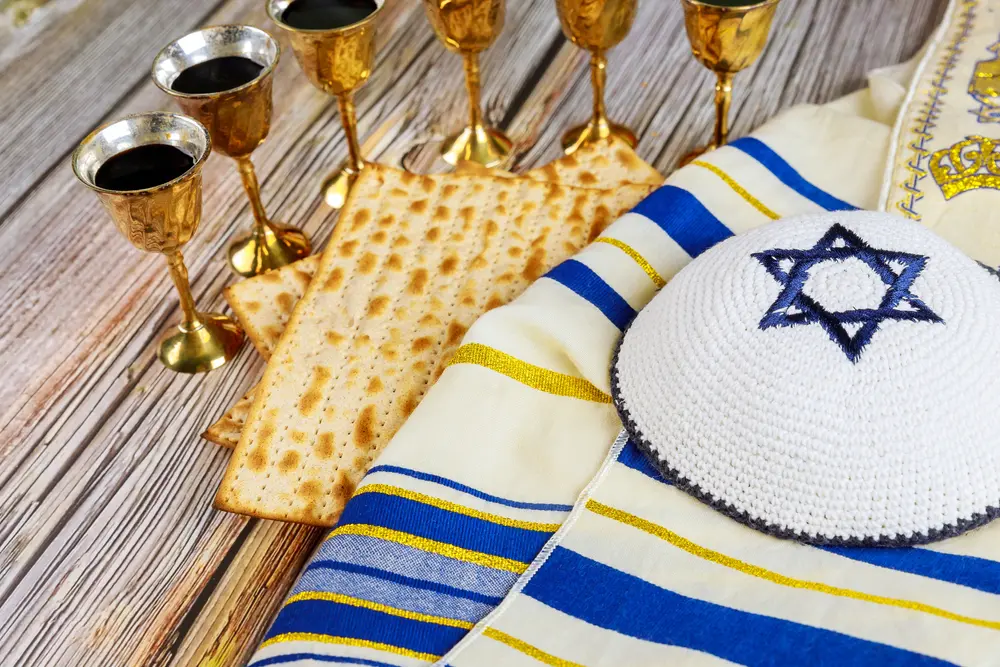
- the Shabbat candles, lit shortly before sunset;
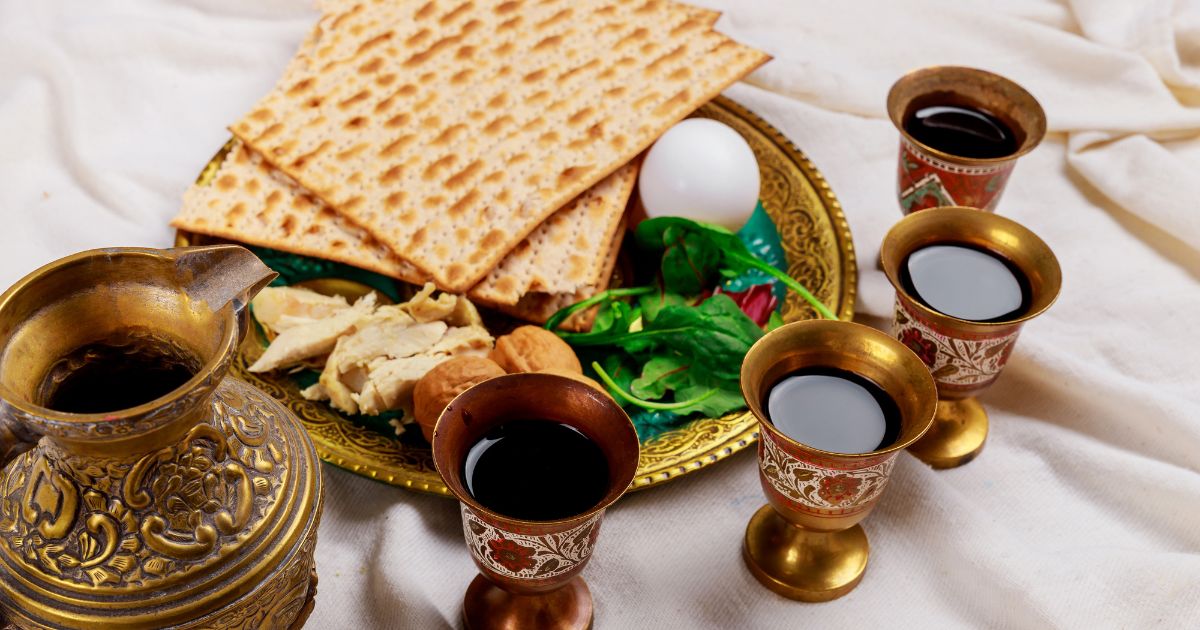
- kosher wine used for the Kiddush, the blessing that opens the meal;
- the challah, the traditional braided bread;
- traditional dishes prepared for family and guests.
The central idea is hospitality and sharing. In Jewish culture, inviting someone to a Shabbat dinner is considered a deeply meaningful gesture of welcome.
Aesthetics also play an important role: carefully chosen tablecloths, dedicated dishes, and beautifully served meals make dinner feel both solemn and warm at the same time.
Challah: The Symbolic Bread of Shabbat
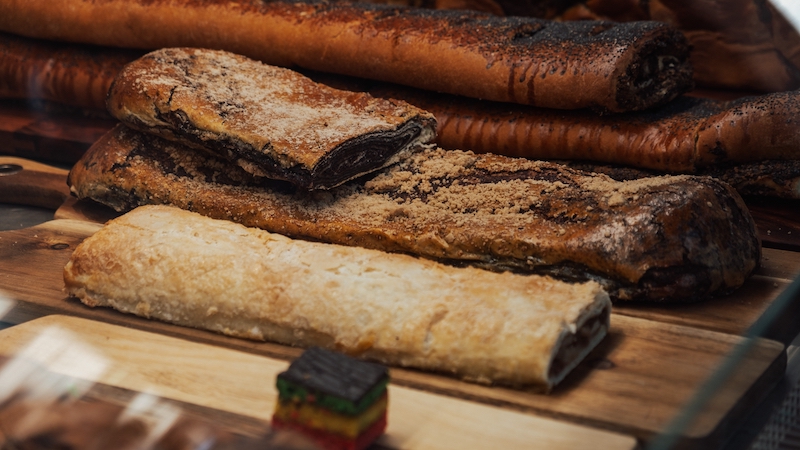
One of the most iconic foods of Shabbat is the challah, the famous braided bread with a soft texture and slightly sweet flavor.
Its shape can vary, but the braided version is certainly the most recognizable. During dinner, two challot are usually placed on the table, symbolizing the double portion of manna that, according to biblical tradition, was provided before the day of rest.
The challah is blessed and shared among the diners at the beginning of the meal. The smell of freshly baked bread is one of the elements that most strongly defines the atmosphere of Shabbat.
In many families, recipes are passed down through generations, with variations depending on Sephardic, Ashkenazi, or Middle Eastern origins.
Traditional Shabbat Dinner Dishes
Shabbat cuisine varies greatly depending on family and geographic traditions, but there are some dishes that frequently appear on Jewish tables.
Among the most common preparations are:
- rich and comforting soups;
- slow-cooked meats;
- spiced vegetables;
- fish-based dishes;
- traditional desserts.
Many dishes are prepared slowly before Shabbat begins, so they can be enjoyed without the need for additional cooking during the holiday.
Cholent and Slow Cooking Traditions
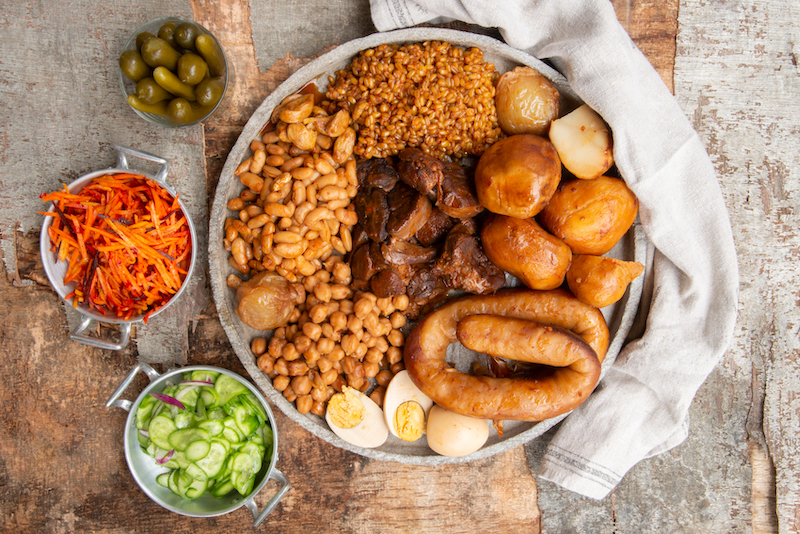
One of the best-known dishes of Ashkenazi tradition is cholent, a long-cooked stew generally made with meat, potatoes, legumes, and grains.
Its slow cooking method was not only a culinary choice, but also a religious necessity, since cooking during Shabbat is restricted. For this reason, cholent was traditionally left to simmer gently overnight.
The result is a dish that is rich, hearty, and deeply comforting, perfect for cold days and Saturday lunches.
Jewish-Roman Cuisine and Shabbat
In Rome, the Shabbat tradition intertwines with Jewish-Roman cuisine, one of the oldest Jewish culinary traditions in Europe.
Many dishes now famous in Roman gastronomy actually originated within the local Jewish community. Among the best known are:
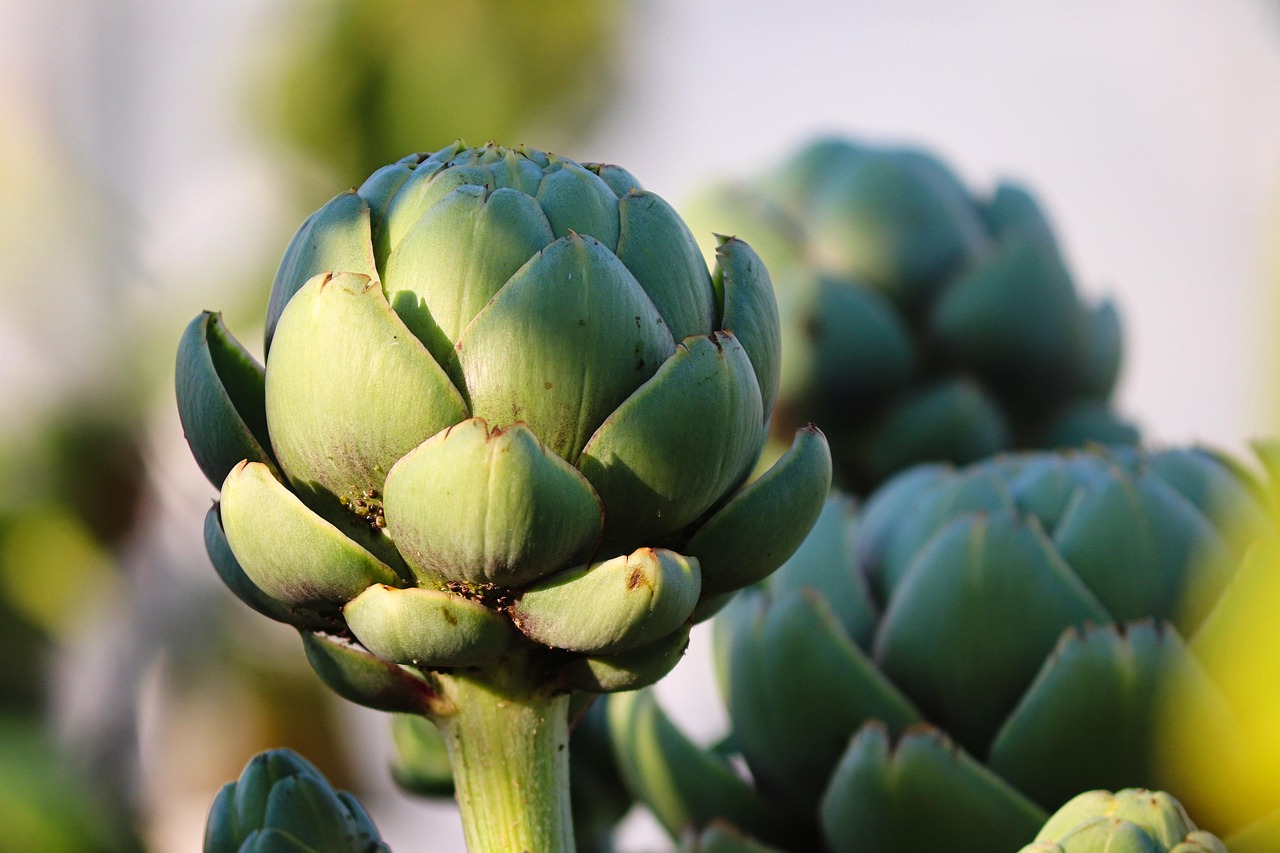
- carciofi alla giudia (Jewish-style fried artichokes);
- fried salt cod fillets;
- anchovies with escarole;
- marinated zucchini.
These recipes perfectly represent the meeting point between Jewish culture and Roman tradition, creating flavors that have become symbols of the city itself.
During Shabbat, many families still bring these historic dishes to the table, keeping alive traditions rooted in centuries of history.
Why Is Food So Important During Shabbat?
In Jewish tradition, food is not simply nourishment, but also memory, identity, and connection.
The Shabbat dinner is a moment when people gather around the table without rushing, dedicating time to family relationships and conversation. In an increasingly fast-paced world, this aspect makes Shabbat feel surprisingly modern and relevant.
Many people are deeply moved by the way this tradition transforms an ordinary dinner into a moment of genuine human connection.
Even flavors tell stories: every recipe carries traces of family origins, migration, cultural influences, and memories handed down over time.
Shabbat and Kosher Cuisine
Talking about Shabbat dinner also inevitably means talking about kosher cuisine.
Jewish dietary laws regulate the preparation and consumption of food, determining which ingredients may be used and how they must be prepared.
Among the best-known aspects of kosher cuisine are:
- the separation of meat and dairy products;
- the use of permitted ingredients;
- specific preparation methods;
- strict food supervision and controls.
These rules strongly influence Shabbat menus as well, helping shape distinctive flavors and culinary traditions.
In recent years, kosher cuisine has also attracted the attention of people who do not follow religious dietary laws, thanks to the quality of the ingredients and the care devoted to food preparation.
Where to Experience Shabbat Cuisine in Rome
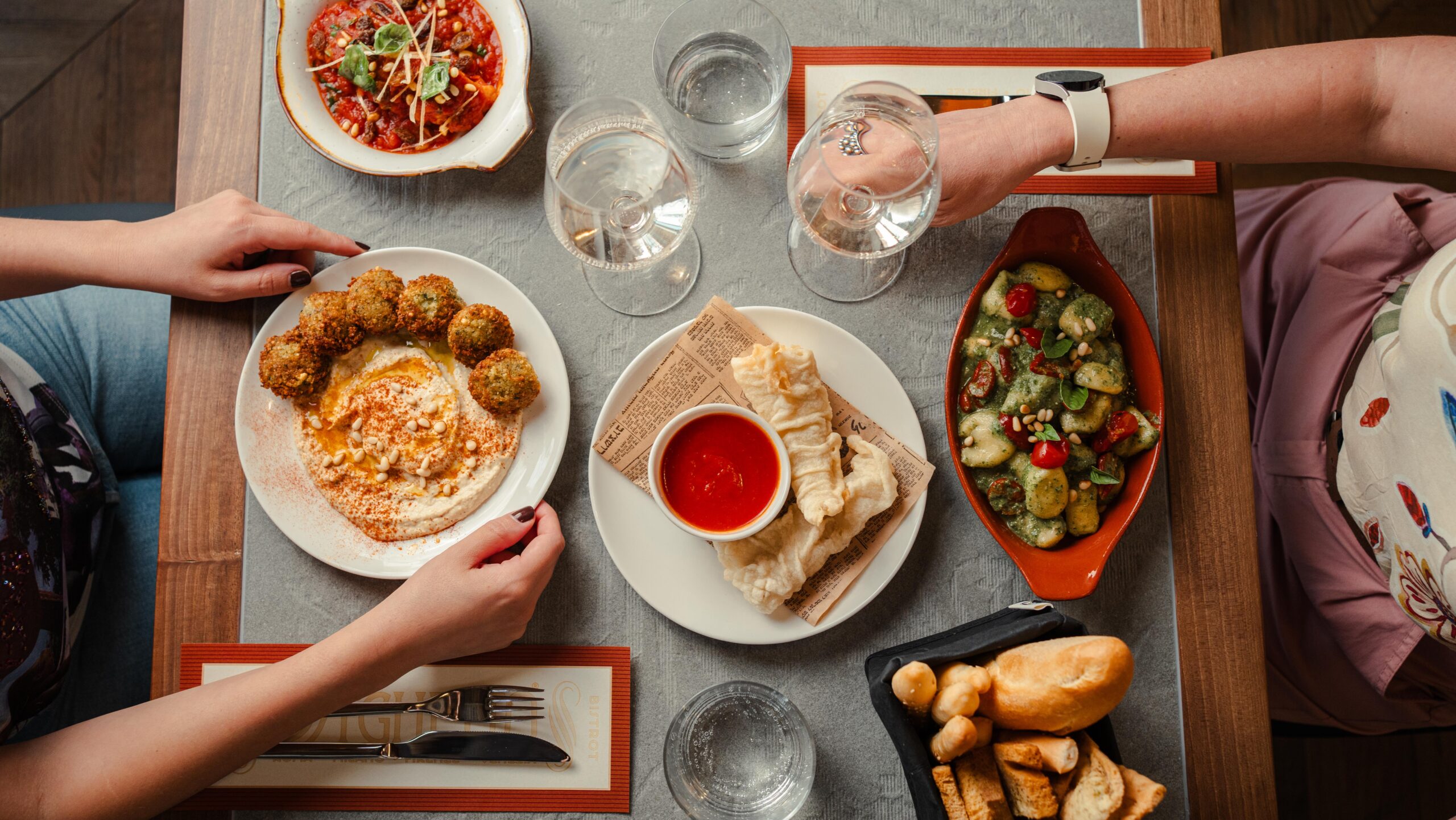
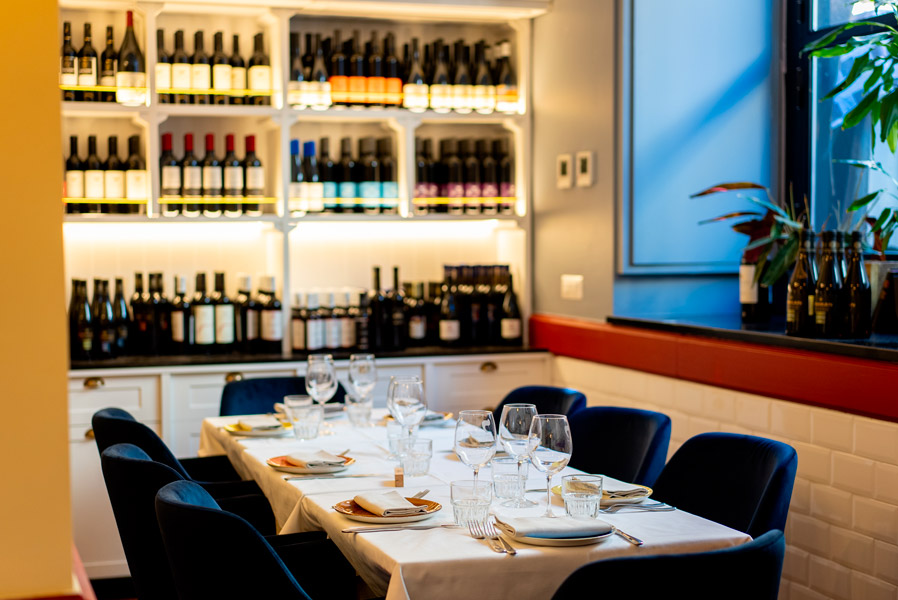
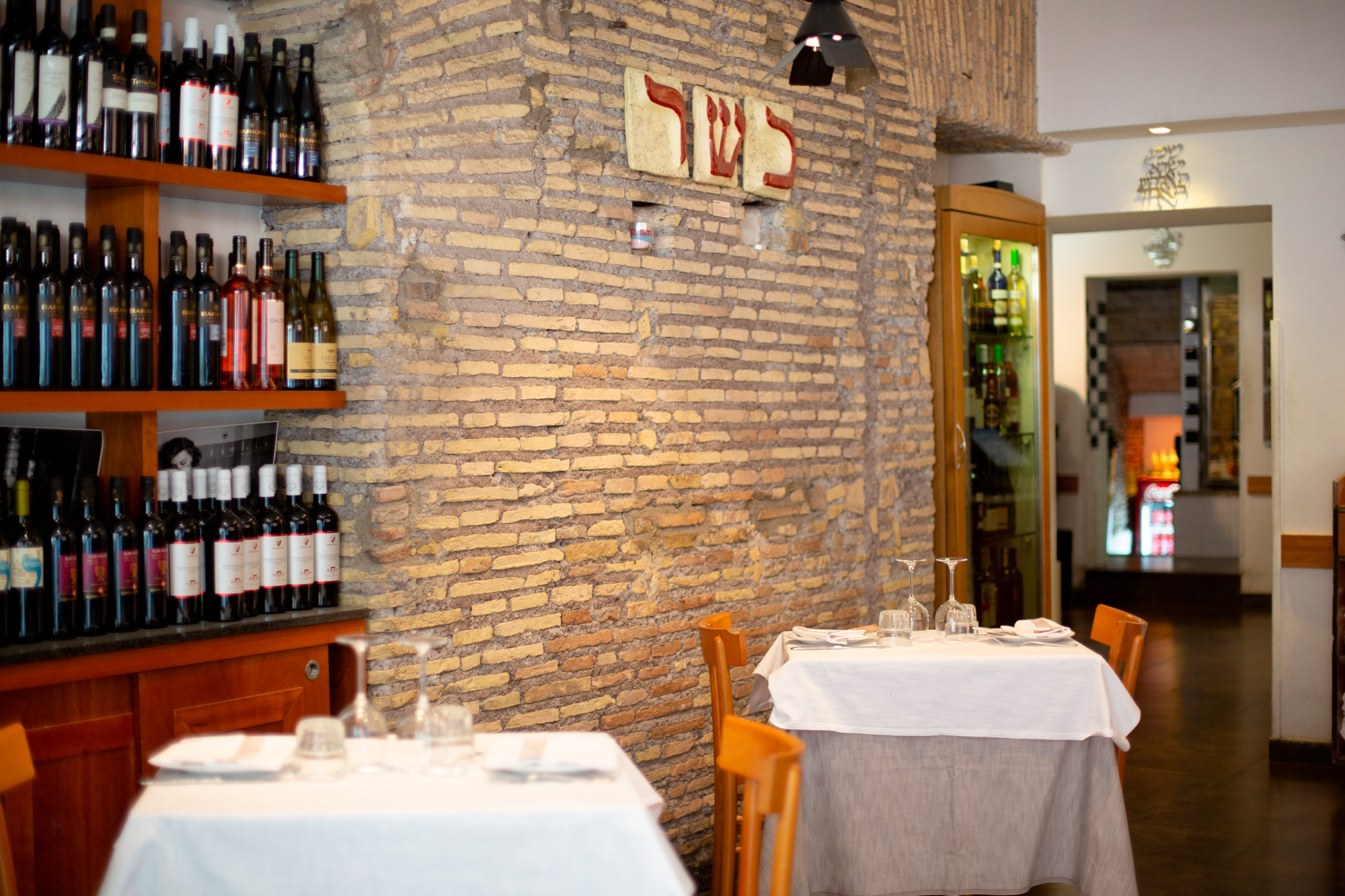
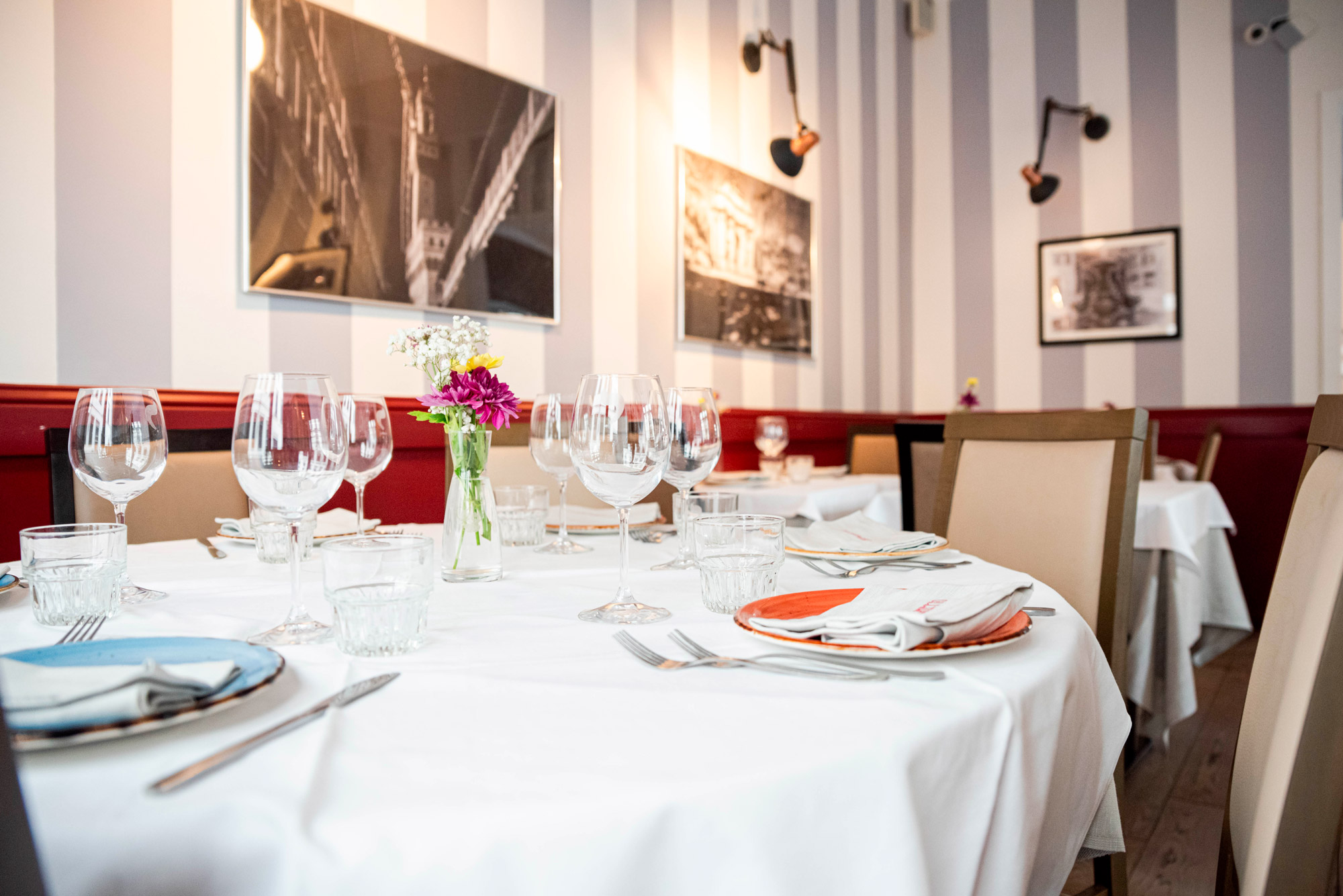
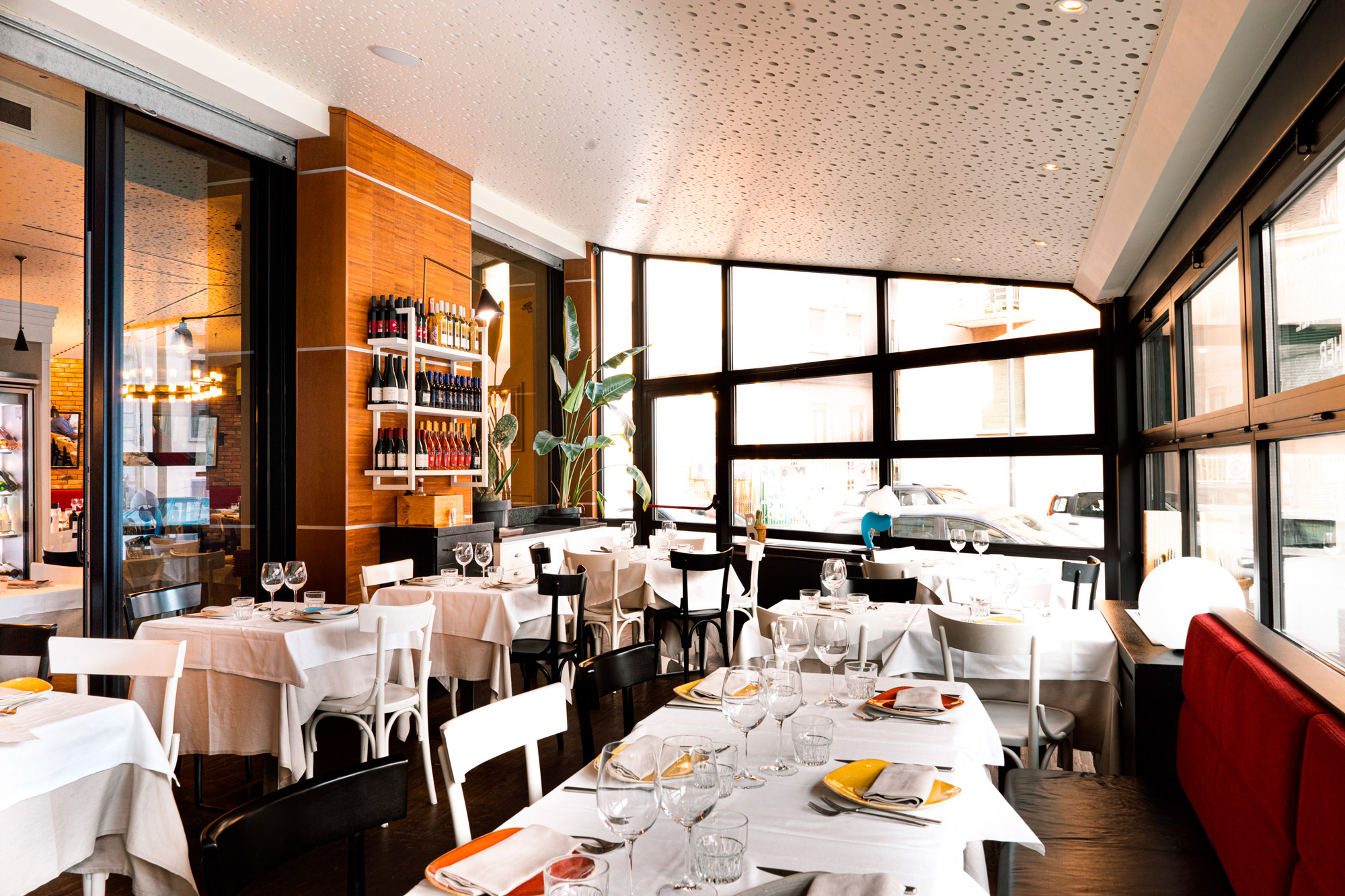
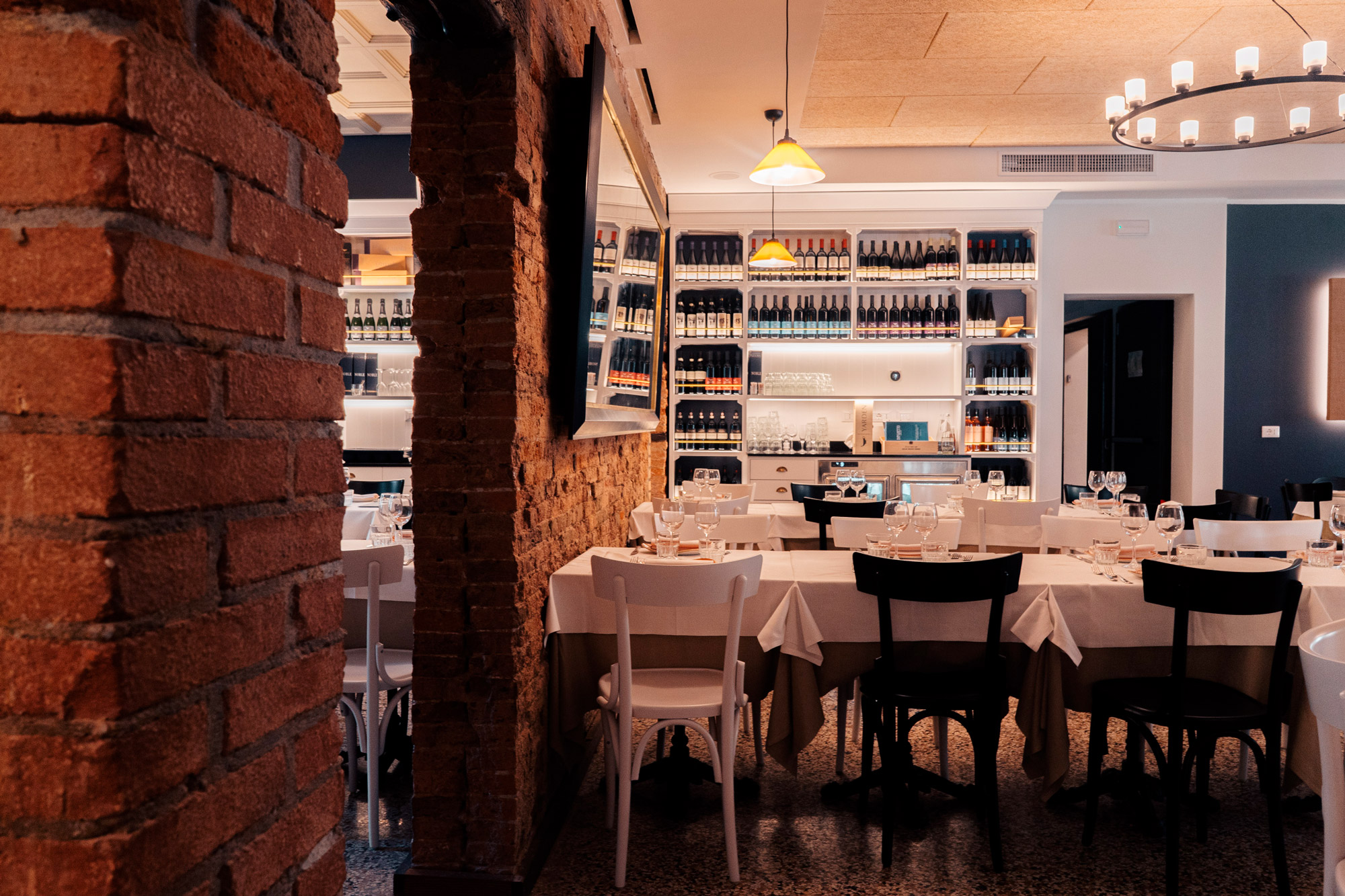
For those who want to immerse themselves in the atmosphere of Jewish-Roman cuisine and discover flavors connected to the Shabbat tradition, dining at Ba’Ghetto can become a truly special experience.
Between historic recipes, traditional kosher dishes, and the unique atmosphere of the Jewish Quarter in Rome, visitors can enjoy a culinary journey that tells centuries of culture and hospitality. Booking a table at Ba’ Ghetto means treating yourself to an evening filled with authentic flavors, tradition, and warm hospitality in the heart of the city.
26.05.26
Share