



Rosh Hashanah marks the beginning of the new year in the Jewish calendar and is one of the most significant celebrations in Jewish tradition. It is not just a passage of time, but a moment rich in spiritual and symbolic meaning, inviting reflection, renewal, and awareness.
Understanding this holiday means approaching a world shaped by rituals, deep meanings, and traditions passed down through centuries.
How Does the Jewish New Year Work?
The Jewish New Year, known as Rosh Hashanah, is one of the most important and meaningful holidays in Judaism. It is not simply the beginning of a new year in the Jewish calendar, but a deeply spiritual moment dedicated to reflection, inner renewal, and the relationship between humanity and God.
Unlike the Gregorian New Year, often associated with parties and loud celebrations, Rosh Hashanah carries a more introspective and symbolic tone. It is a time to pause, look inward, and take stock of the year that has passed, with a focus on building a better future. In this sense, it marks the beginning of a spiritual journey that culminates in Yom Kippur, the Day of Atonement.
Understanding how the Jewish New Year works means engaging with a millennia-old tradition made up of rituals, prayers, symbolic foods, and meaningful gestures.
Rosh Hashanah: When Is It Celebrated?
Rosh Hashanah falls on the first and second days of the month of Tishri, which usually corresponds to September or early October in the Gregorian calendar. Since the Jewish calendar is lunisolar, the exact date changes every year.
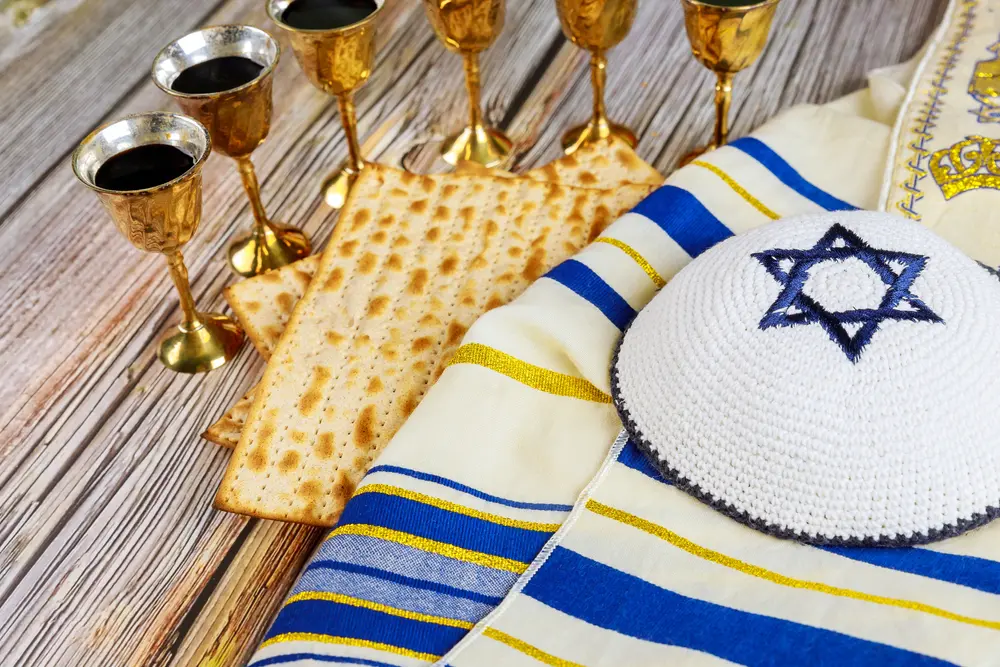
The holiday lasts two days, during which Jewish communities around the world gather to pray and celebrate together. A central moment is marked by the sound of the shofar, the ram’s horn, which is blown in the synagogue as a spiritual call to reflection and change.
This period also marks the beginning of the “Ten Days of Repentance”, leading up to Yom Kippur. It is a time devoted to introspection, forgiveness, and personal growth.
What Do People Do During Rosh Hashanah?
During Rosh Hashanah, activities are mainly centered around religious and family life. The days are structured around prayer, synagogue services, and shared traditional meals.
One of the most important elements is the shofar, whose sound carries a powerful symbolic meaning: it represents a spiritual awakening. It is an invitation to step out of the routine of daily life and become aware of one’s actions.
Another meaningful practice is Tashlich, a ritual in which people go to a body of water—such as a river or the sea—and symbolically cast their sins into it, often using breadcrumbs. This gesture represents the desire to leave past mistakes behind.
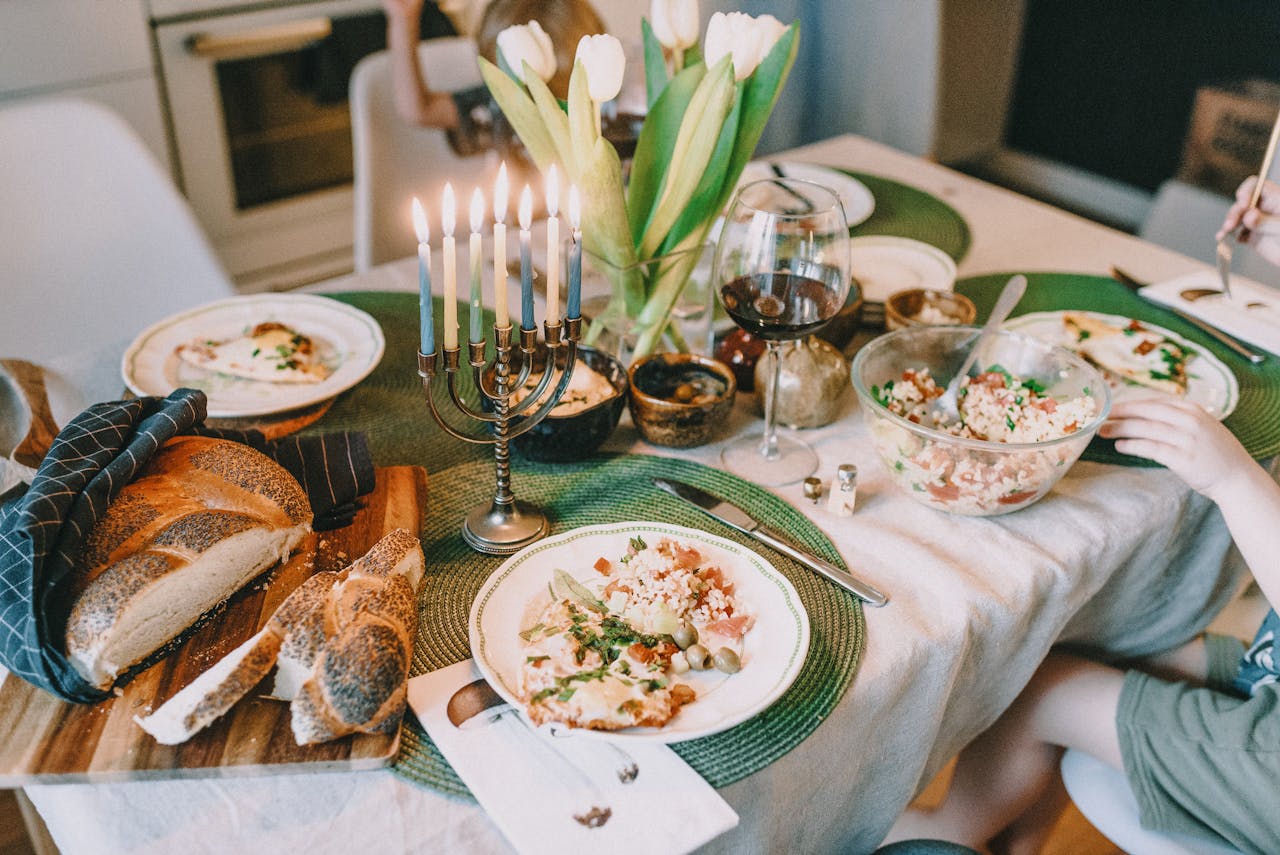
Within the family setting, Rosh Hashanah is also a time of togetherness. Families gather around the table to share a meal rich in symbolic meaning, where each food represents a wish for the coming year.
What Is the Meaning of Rosh Hashanah?
The meaning of Rosh Hashanah goes far beyond the idea of a “New Year.” Literally, the term means “head of the year,” symbolizing the beginning of a new cycle.
According to Jewish tradition, this day marks the creation of humankind and represents a moment when God judges humanity. This is not a punitive judgment, but rather an evaluation of one’s actions over the past year.
For this reason, Rosh Hashanah is closely linked to the concepts of teshuvah (repentance), tefillah (prayer), and tzedakah (charity). These three elements form the core of the spiritual journey that defines this period.
It is a time to make peace with oneself and with others, asking forgiveness for past mistakes and committing to personal improvement. The goal is not perfection, but growth—both personal and spiritual.
What Are the Symbols of Rosh Hashanah?
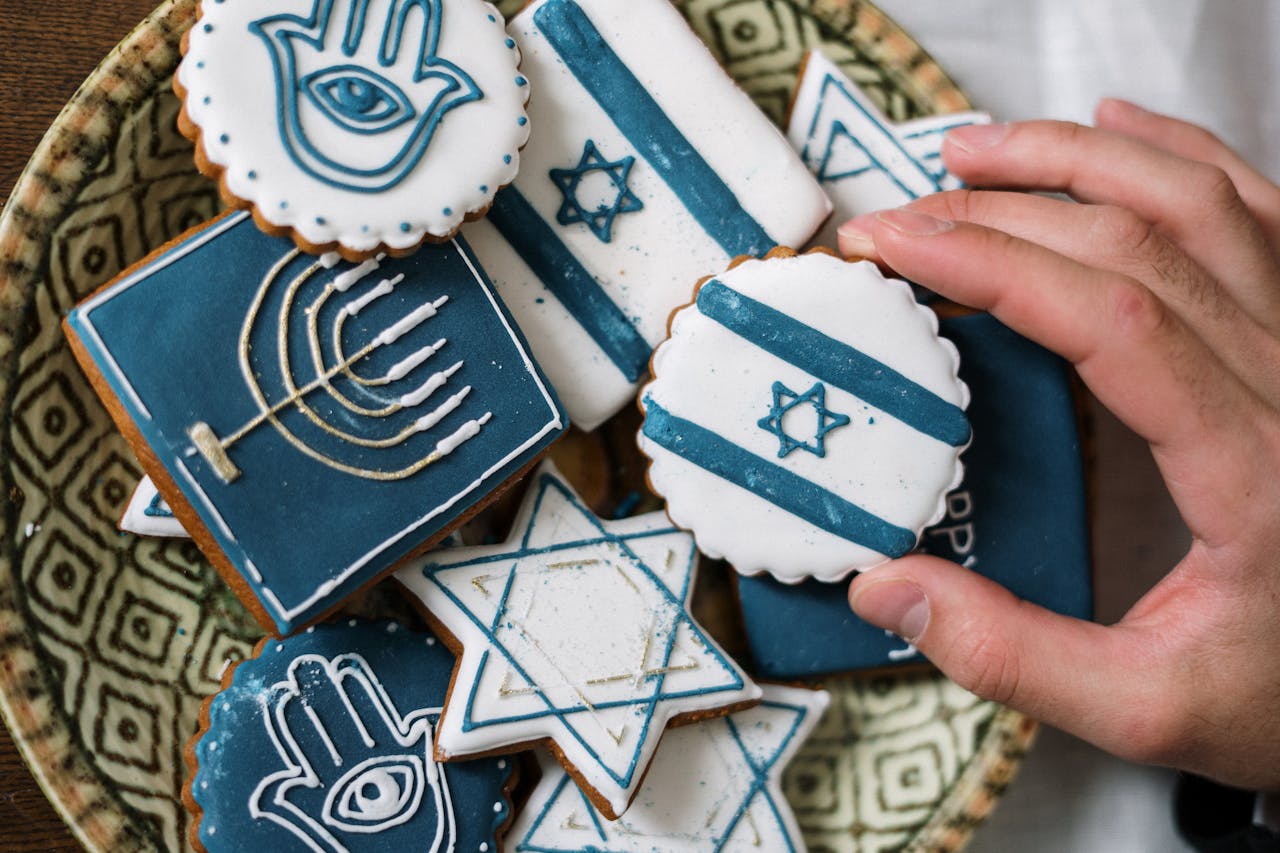
Rosh Hashanah is rich in symbolism, much of it connected to food and ritual practices.
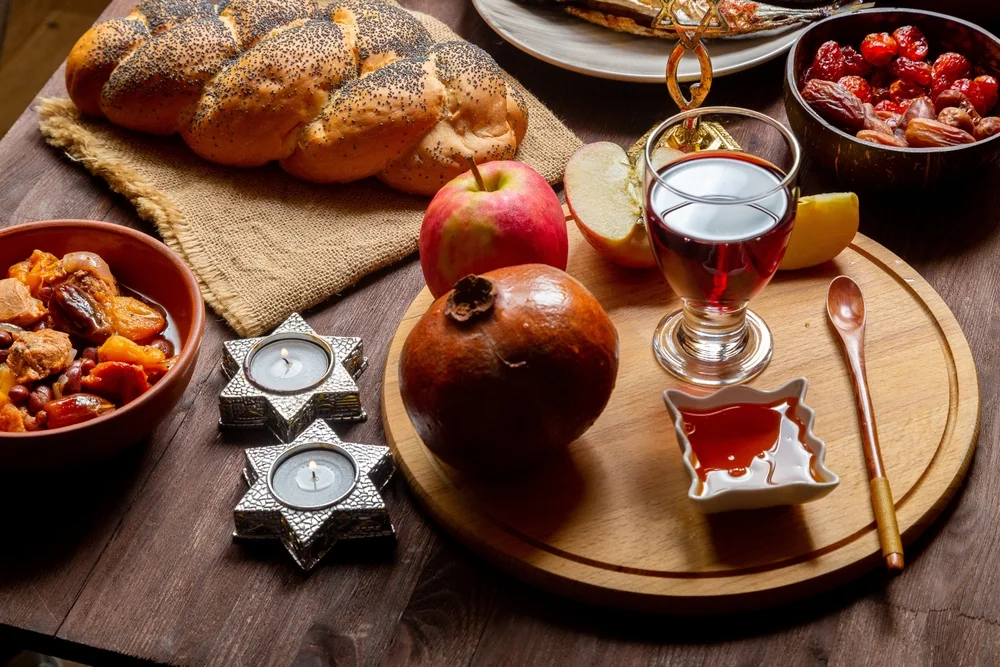
One of the most well-known symbols is the apple dipped in honey, representing the wish for a sweet and prosperous year. This simple act conveys a universal message, understood even beyond Jewish tradition.
Another important symbol is the pomegranate, often present during the festive meal. It is said to contain 613 seeds, corresponding to the commandments of the Torah, and symbolizes abundance and devotion to mitzvot.
There is also the head of a fish or lamb, which reflects the idea of being the “head” of the year and the desire to be “leaders rather than followers,” actively shaping one’s path.
The shofar remains perhaps the most powerful symbol: its ancient sound breaks the silence and calls for deep awareness.
What Do People Eat During Rosh Hashanah?
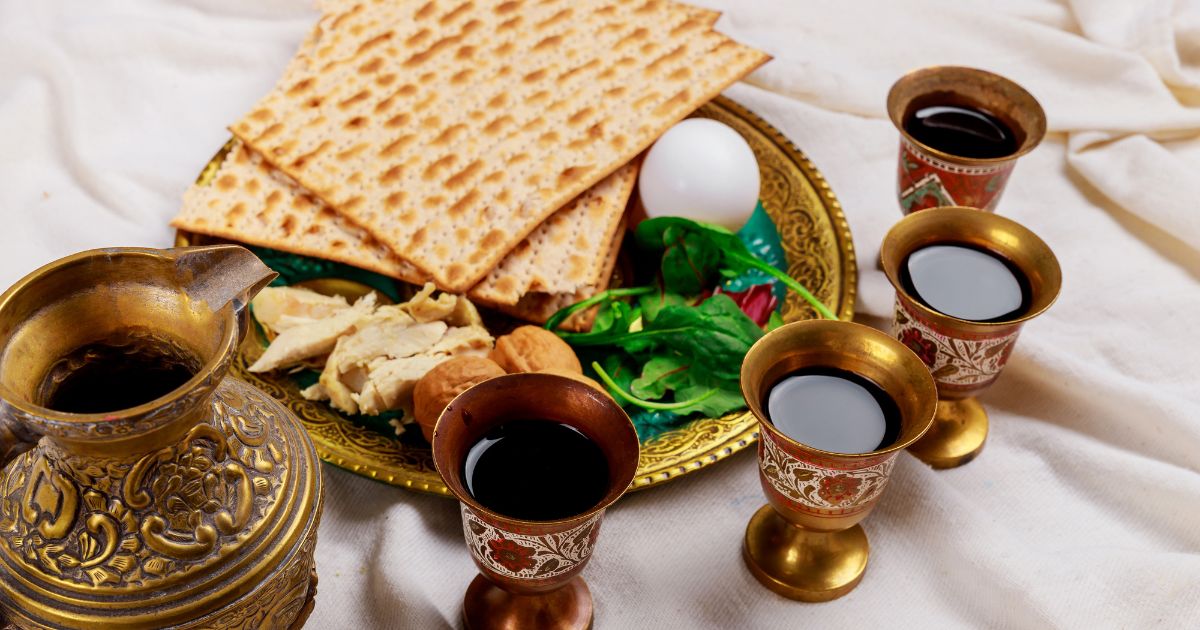
Food during Rosh Hashanah is never random. Each dish carries a specific symbolic meaning and contributes to expressing hopes for the new year.
The festive meal is a central moment of the celebration and begins with specific blessings over different foods. This makes the meal not only a social occasion but also a true ritual.
What Are the Traditional Dishes?
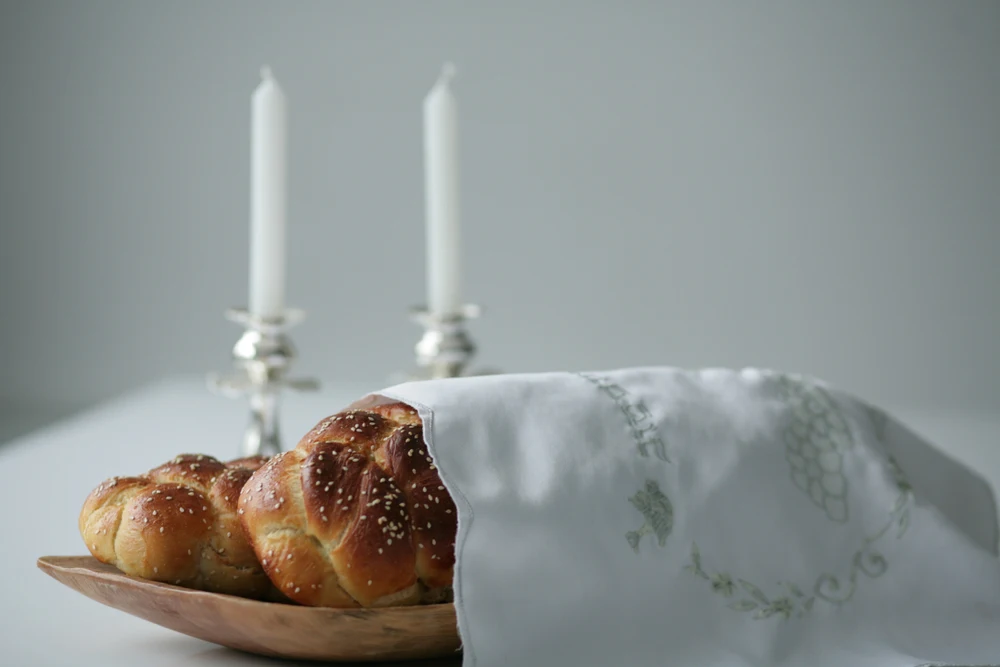
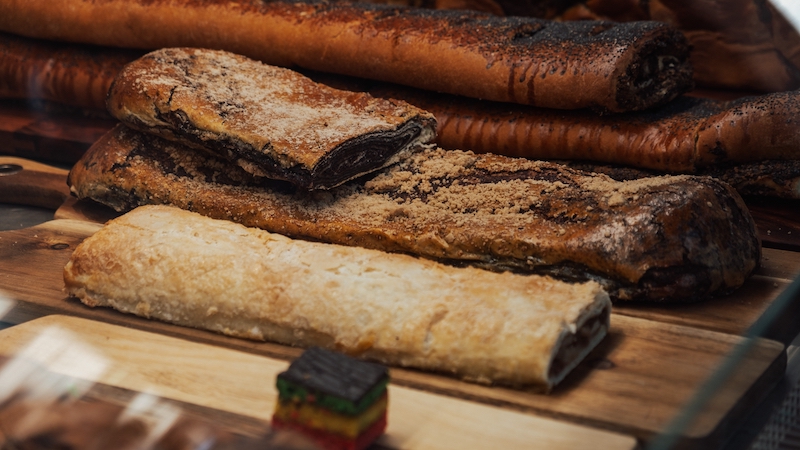
Among the kosher dishes most representative of the holiday is challah, the braided bread, which for this occasion takes on a round shape to symbolize the cycle of life and renewal.
Fish-based dishes such as gefilte fish are also common, along with preparations featuring sweet or naturally sugary ingredients like carrots and dates.
Apples with honey remain the most iconic element, but pomegranates, figs, and other seasonal fruits are also present on the table.
Each food is accompanied by a blessing and a specific intention, transforming the meal into a deeply symbolic experience.
What Is the Rosh Hashanah Seder?
The Rosh Hashanah Seder is a ritual sequence that takes place during the dinner of the first evening. The word “Seder” means “order” and refers to a structured sequence in which each food is eaten according to symbolic meaning.
During the Seder, blessings are recited and foods are consumed that represent wishes for the new year. It is a moment that brings together tradition, spirituality, and conviviality, and may vary slightly depending on the community.
Why Are Shellfish Forbidden in Judaism?
The Jewish dietary laws, known as kashrut, define which foods may be consumed and how they must be prepared.
Shellfish are forbidden because they do not meet the criteria established by the Torah. In particular, for an aquatic animal to be considered kosher, it must have both fins and scales—features that crustaceans and mollusks do not possess.
This rule is not based on hygiene or nutrition, but on a system of religious laws that shape the cultural and spiritual identity of the Jewish people.
Where to Eat Traditional Rosh Hashanah Food in Rome
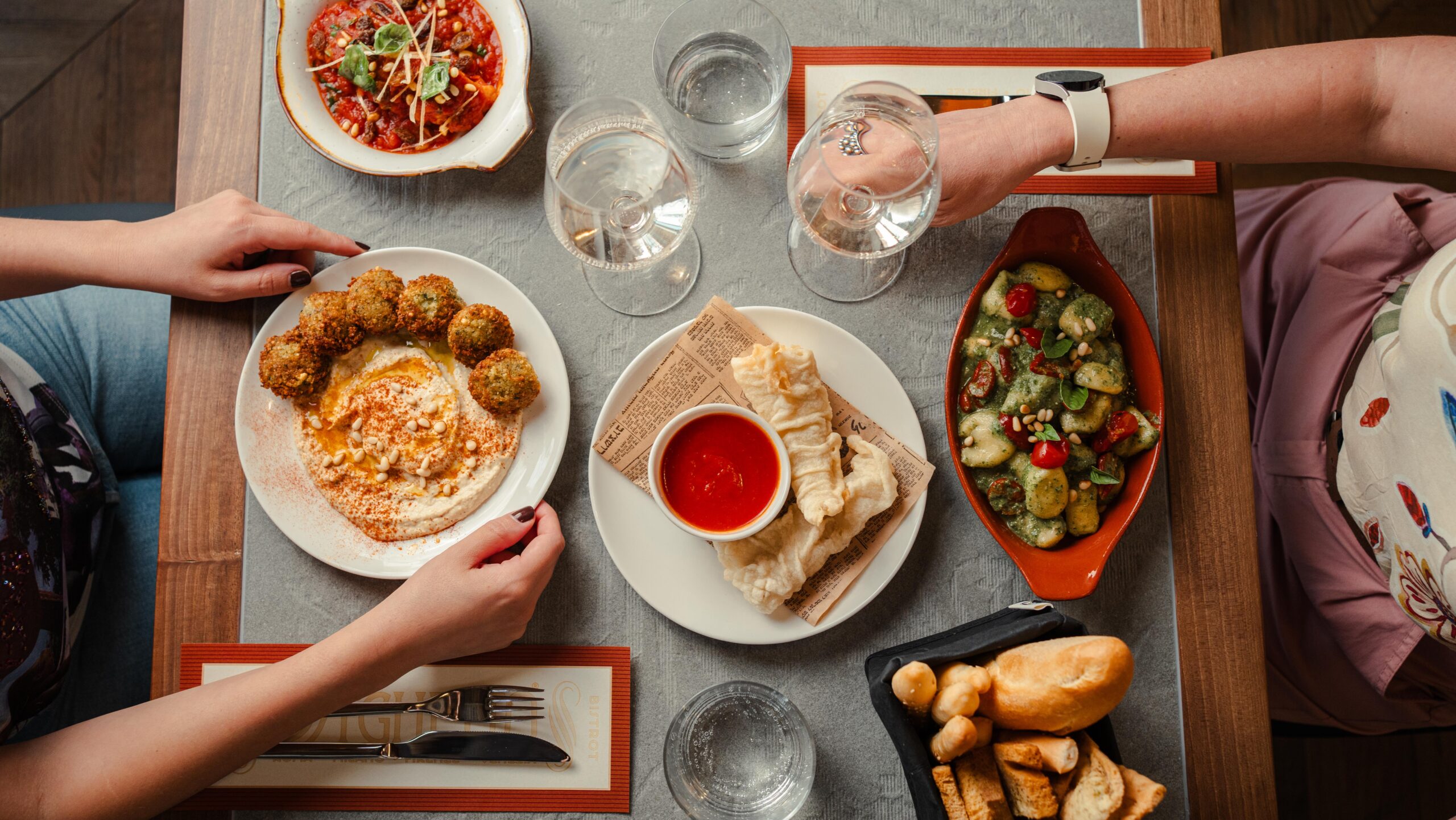
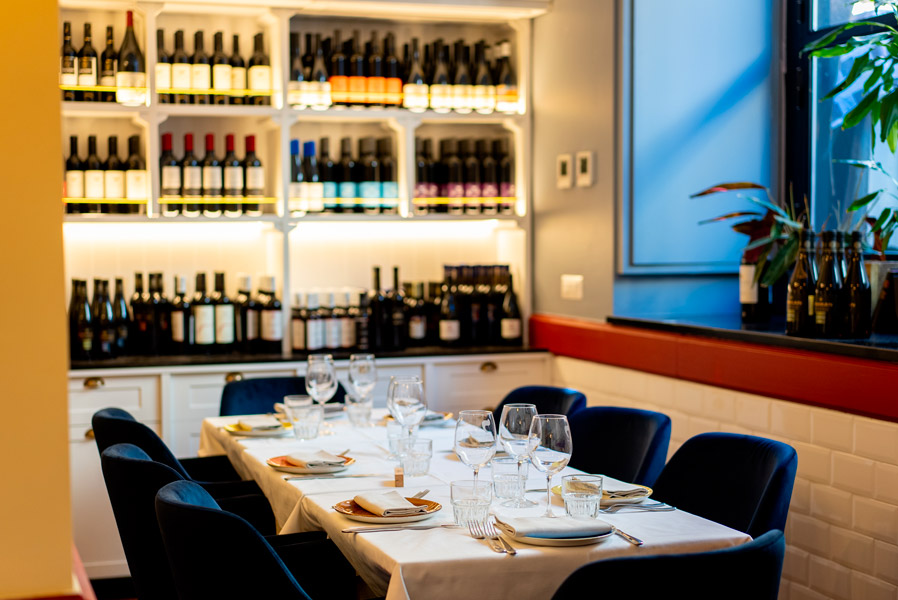
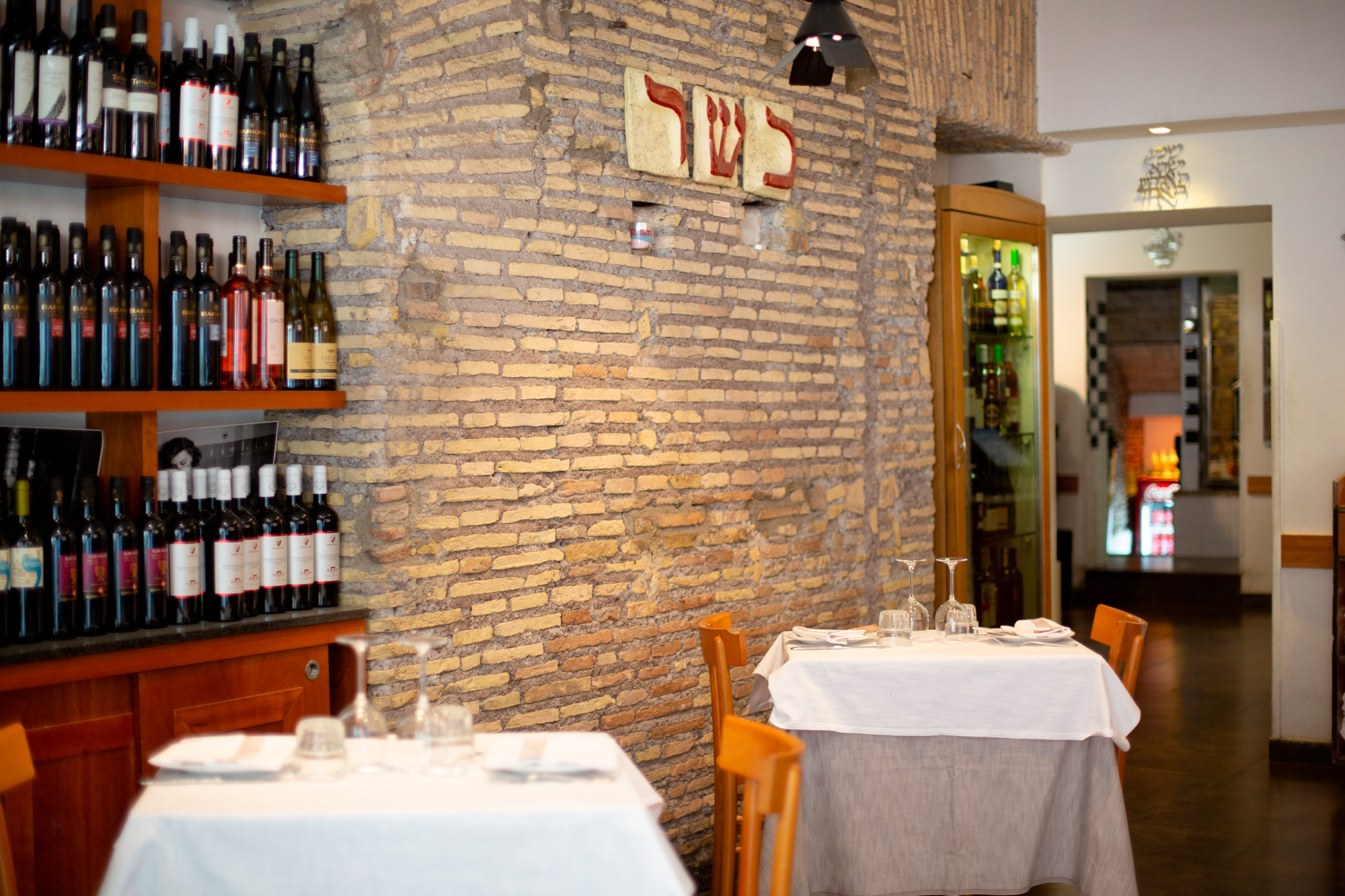
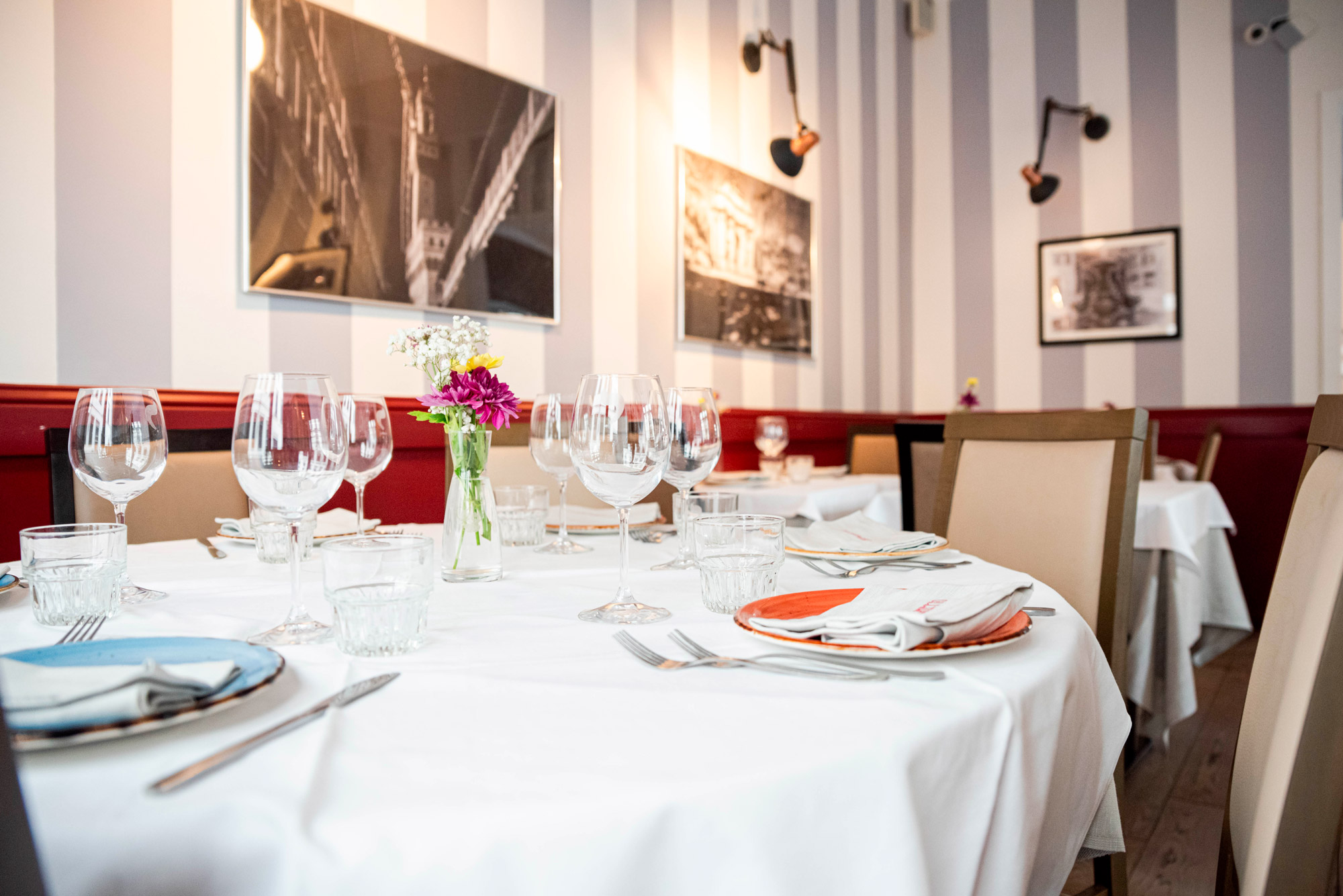
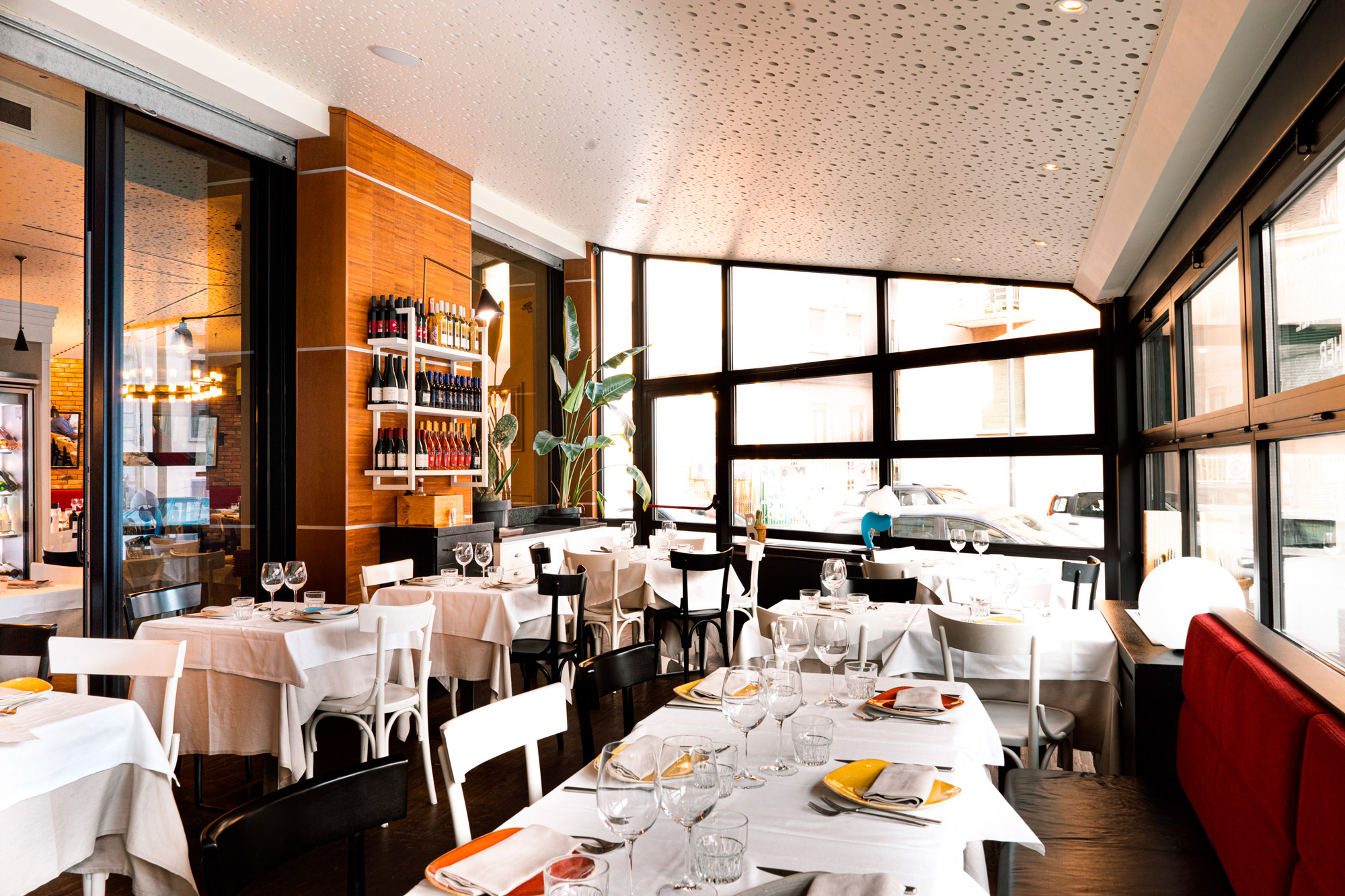
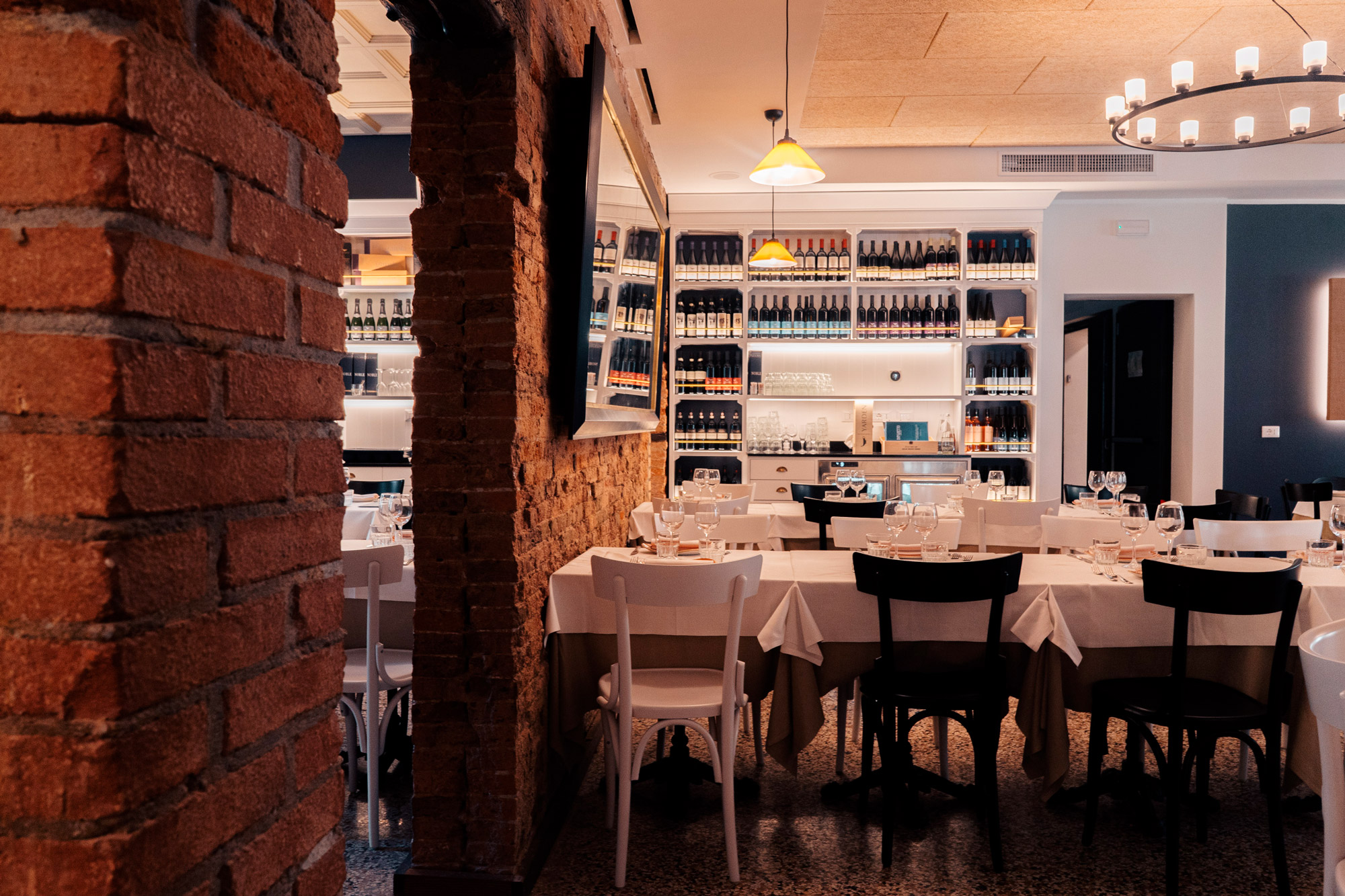
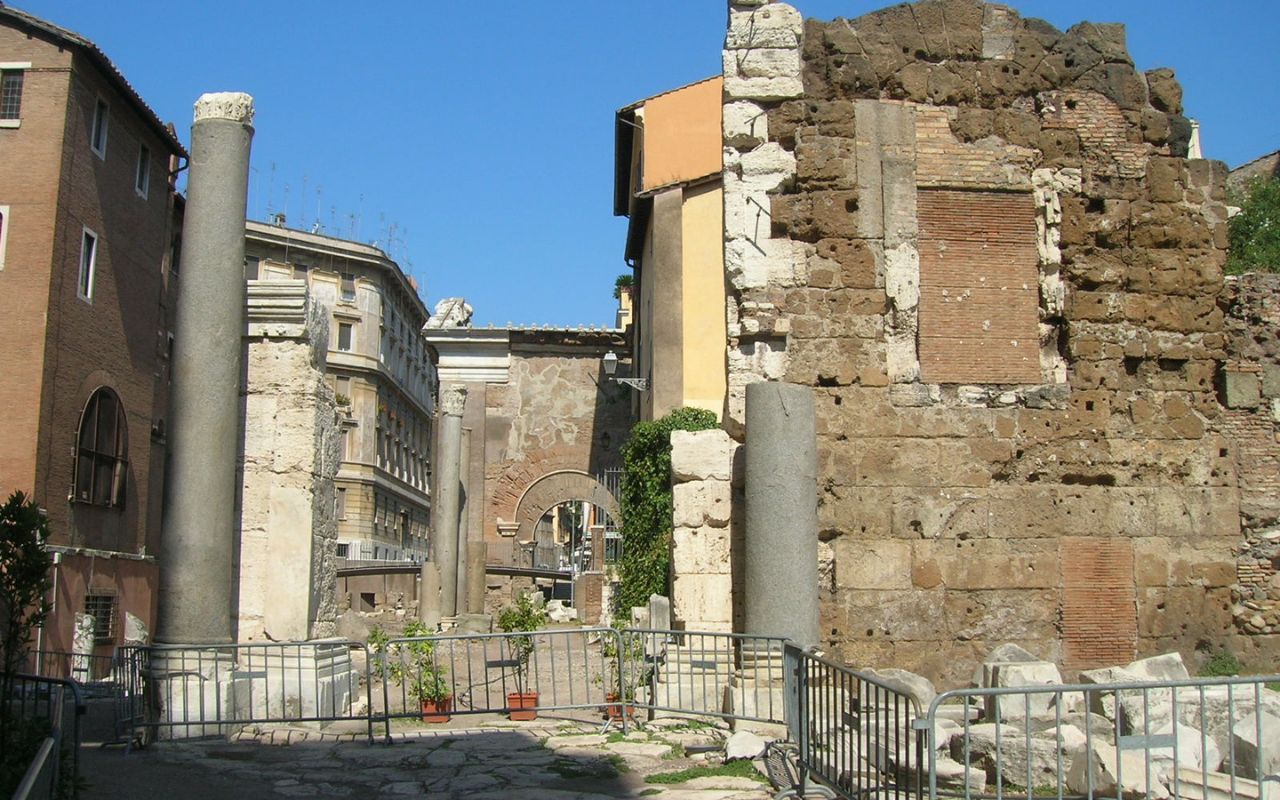
If you would like to experience Rosh Hashanah from a culinary perspective, Ba’Ghetto in Rome is a reference point in the city for Jewish-Roman cuisine.
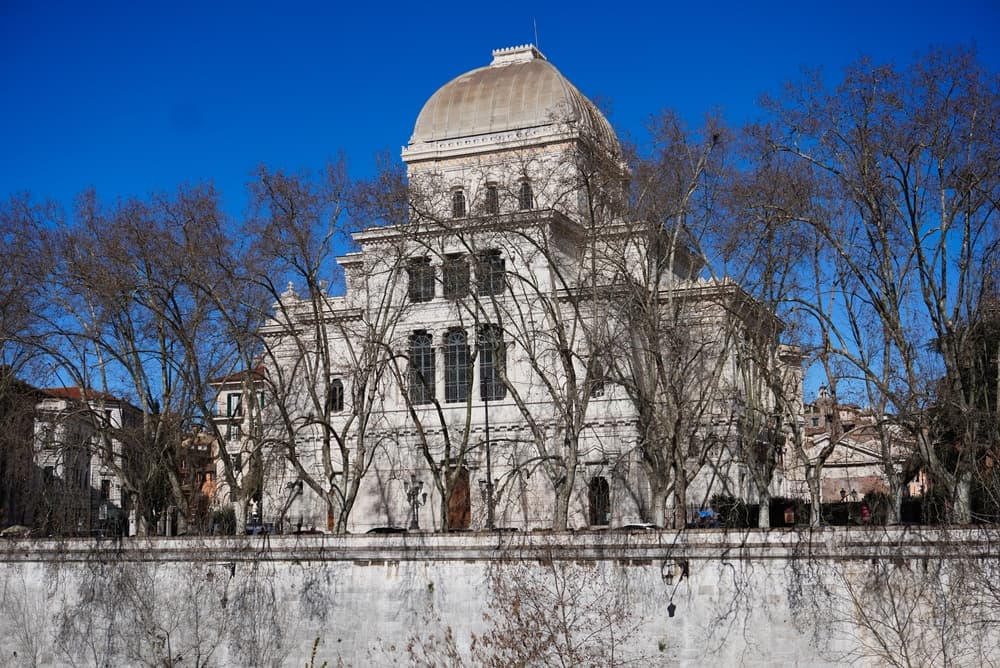
Located in the heart of the Jewish Ghetto, this restaurant offers an authentic interpretation of traditional dishes, respecting kosher rules and highlighting historical recipes and ingredients.
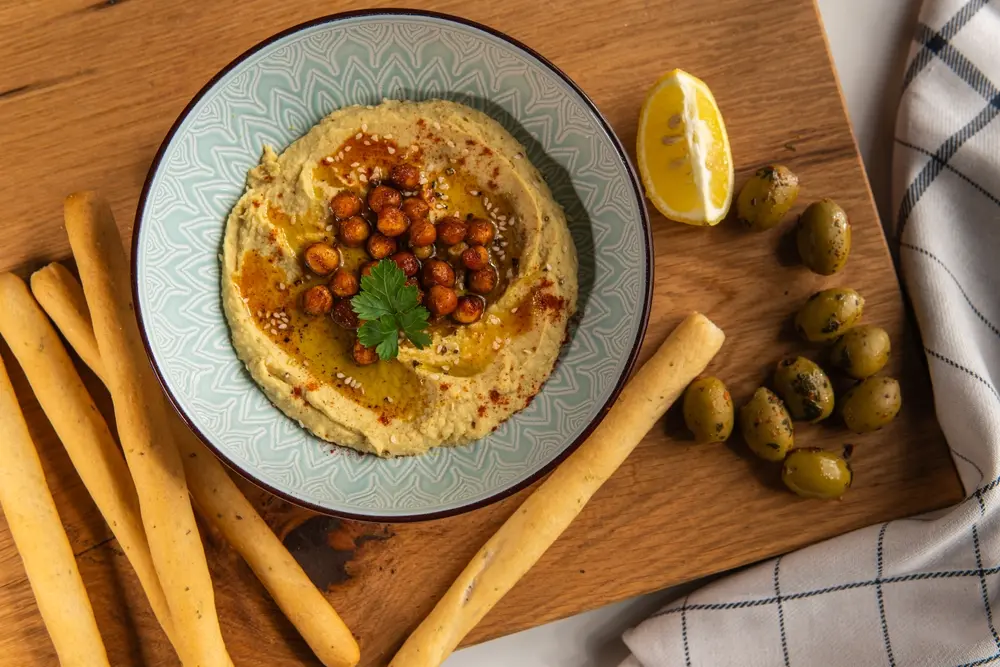
During the holidays, you can find dedicated menus or traditional dishes inspired by Rosh Hashanah, allowing even those outside the Jewish tradition to connect with this culture through food.
Booking a table is the best way to immerse yourself in a unique atmosphere shaped by history, symbolism, and flavor.
If you want to enjoy an authentic experience and taste dishes rooted in Jewish tradition, book your table at Ba’Ghetto and let yourself be guided on a journey through culture and taste.
17.04.26
Share