





Kosher wine is wine produced according to the Jewish dietary laws of Kashrut, a set of rules that govern not only the ingredients but also the entire production process, from grape harvesting to bottling. It is therefore not just a “religious label,” but a strict production method that influences every stage of the supply chain.
In recent years, kosher wine has attracted growing interest beyond Jewish communities, both for the increasingly high quality of production and its strong cultural identity. Understanding what it really is and how it is made helps dispel many common misconceptions.
What “Kosher” Really Means in Relation to Wine
When talking about kosher wine, the first concept to clarify is the meaning of “kosher,” which in Hebrew means “fit” or “proper.” A wine is considered kosher when it complies with the rules of Kashrut, which in the case of wine are particularly detailed.
Key aspects include:
- constant supervision by a rabbi or certified authority
- exclusive use of approved ingredients
- controlled management of every production stage
- complete absence of contamination with non-kosher substances
An important point is that it is not enough for the ingredients to be “clean”: the entire process itself must be monitored and certified.
How Kosher Wine Is Produced
The production of kosher wine follows the same basic principles as traditional winemaking, but with much stricter rules.
It all begins with the grape harvest, which must be carried out by observant Jewish workers under supervision. The grapes are picked and transported to the winery without any contamination from unauthorized tools or containers.
During crushing and fermentation, every step is carefully monitored. Even yeast and winemaking additives must be kosher-certified. This ensures that the wine remains compliant from start to finish.
An interesting aspect concerns wine handling: in some productions, only authorized personnel are allowed to touch the must or wine during processing. This level of control is one of the reasons kosher wine is considered so distinctive.
Kosher Wine vs. “Mevushal” Wine: What’s the Difference?
When discussing kosher wine, the term mevushal often appears, referring to a specific category.
Mevushal wine is wine that has undergone a brief heating process (controlled pasteurization). This step makes it more flexible from a ritual standpoint: it can be served by non-Jewish staff without losing its kosher certification.
Not all kosher wines are mevushal, and the choice between the two depends on intended use—religious, communal, or commercial.
Kashrut Rules Applied to Wine
To truly understand the world of kosher wine, it is useful to look at the core Kashrut rules applied to winemaking.
Key principles include:
- prohibition of using equipment previously used for non-kosher products
- continuous supervision by authorized religious figures
- requirement that grapes are handled only by qualified personnel
- final certification issued by rabbinical authorities
These elements ensure that the wine is not only technically sound but also compliant with religious requirements.
Does Kosher Wine Taste Different?
One of the most common questions is whether kosher wine tastes different from traditional wine.
From an oenological perspective, the answer is simple: not necessarily. Kosher wine can be red, white, rosé, still, or sparkling, and its aromatic profile depends mainly on the grape variety, terroir, and the winemaker’s technique.
The difference lies not in taste but in the process. Many modern producers create high-quality kosher wines that are often indistinguishable from premium non-kosher labels.
Where Kosher Wine Is Produced
Kosher wine is not limited to a single geographic region. Today it is produced in several parts of the world, including:
- Italy
- Israel
- France
- United States
- Spain
In Italy, some wineries have developed certified kosher lines, often using native grape varieties such as Sangiovese, Montepulciano, and Nero d’Avola. This has helped spread kosher wine even among consumers outside the Jewish tradition.
Why Kosher Wine Is Increasingly in Demand
In recent years, kosher wine has grown in popularity for several reasons. On one hand, there is increasing attention to certified and controlled products; on the other, a growing interest in Jewish culinary culture.
Moreover, the average quality of kosher wines has improved significantly thanks to modern technology and increasingly specialized producers. This has allowed kosher wine to move beyond its original niche and establish itself in the international market.
Kosher Wine and Food Pairings
From a gastronomic perspective, kosher wine pairs perfectly with rich and structured cuisine. Red wine with meat dishes, white wine with fish and appetizers, and sweet wine with desserts—the pairing principles are the same as for traditional wine.
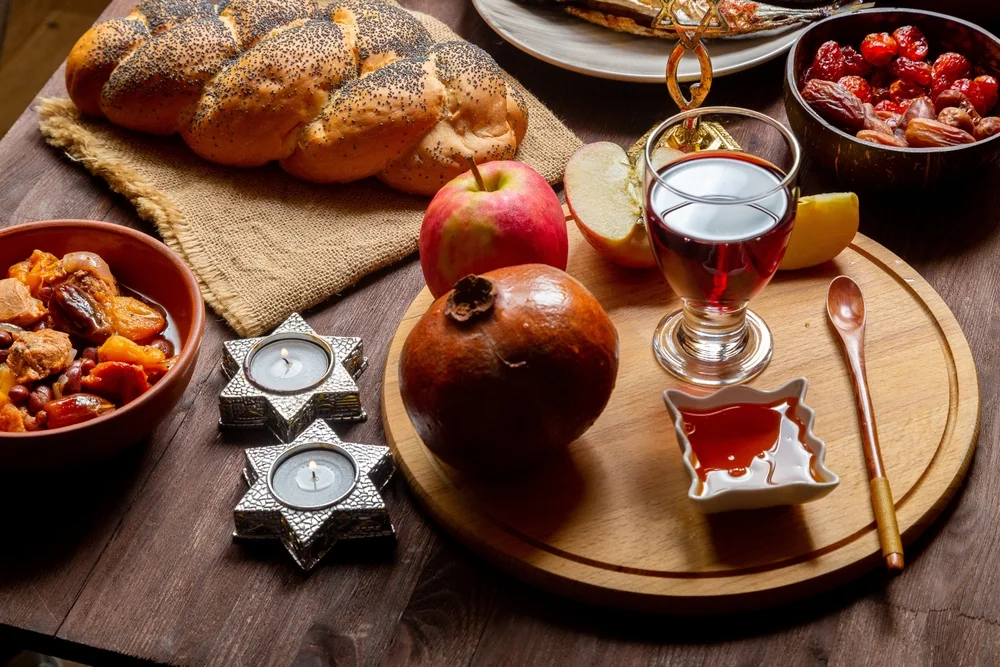
The real peculiarity is that kosher wine is often enjoyed alongside Jewish cuisine dishes, such as those from Sephardic or Ashkenazi traditions, creating a cultural as well as culinary harmony.
Where to Taste Kosher Wine in Rome
Rome is one of the European cities where Jewish tradition is most deeply rooted, and where it is possible to enjoy an authentic kosher dining experience.
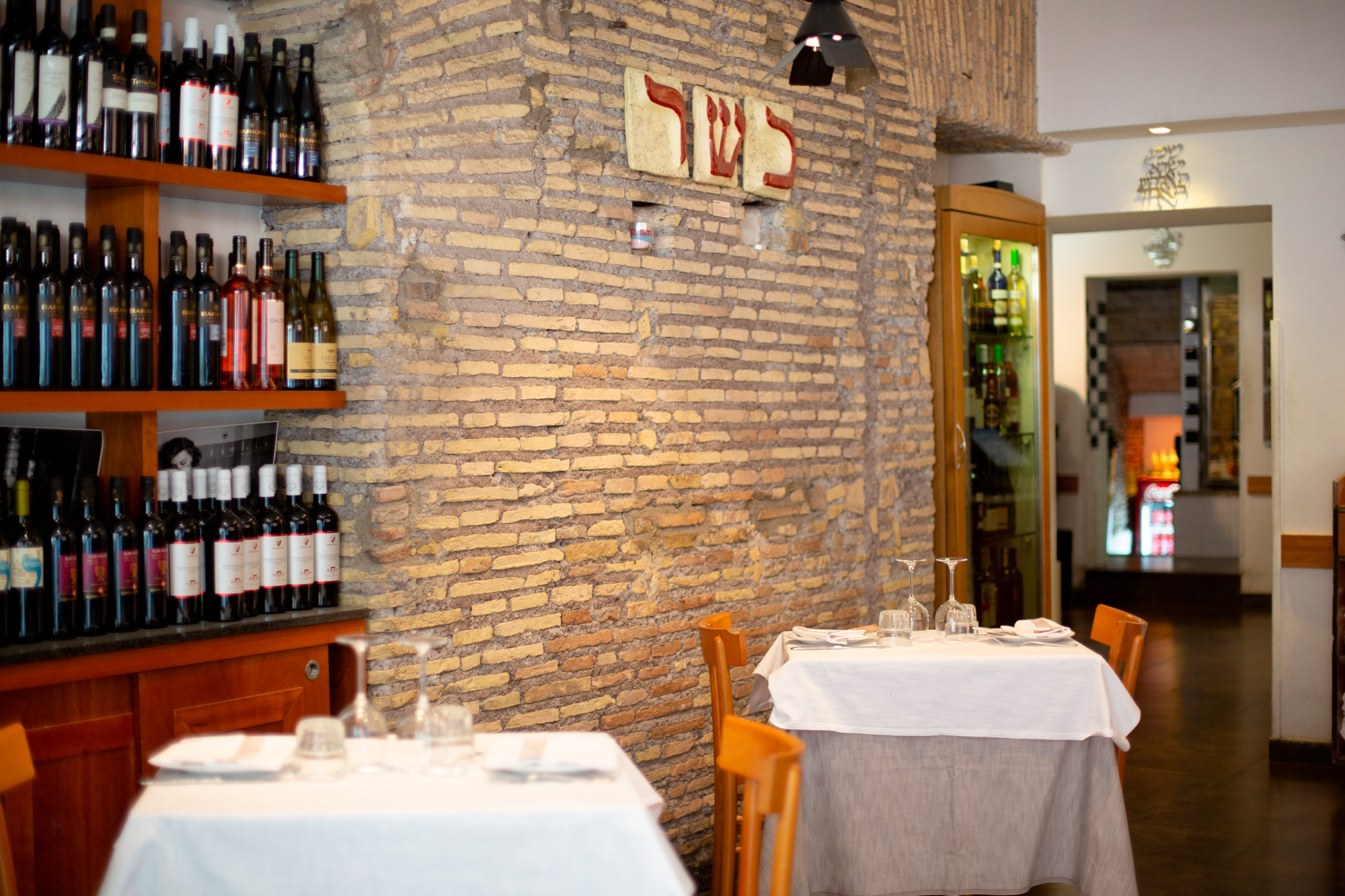
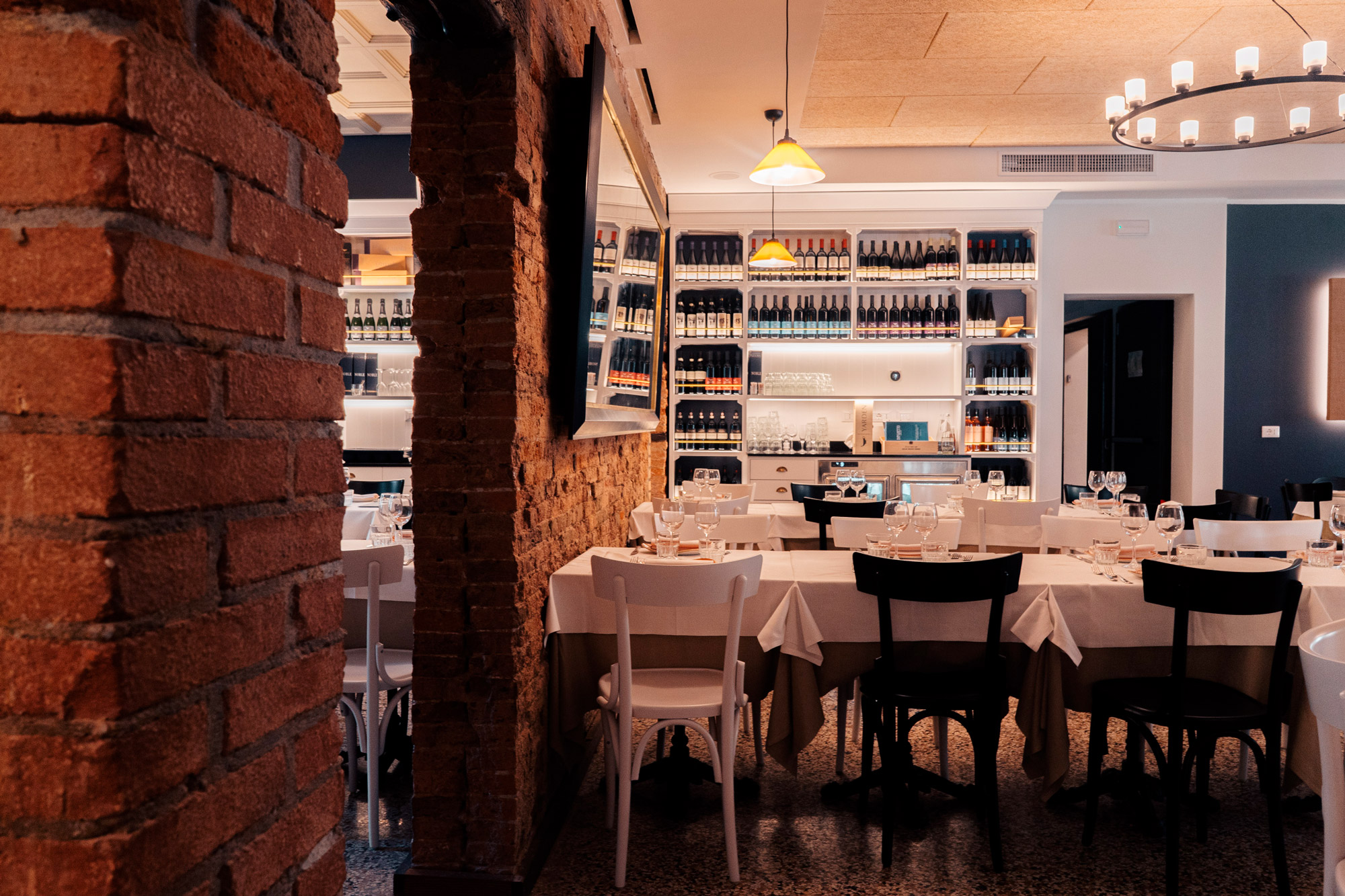
In the heart of the Jewish Ghetto you’ll find Ba’ Ghetto, a historic reference point for anyone looking to discover the flavors of Jewish-Roman cuisine. Here, kosher wine is not just a menu option but an integral part of the dining experience.
Booking a table at Ba’ Ghetto means immersing yourself in authentic cuisine, where wine accompanies traditional dishes such as carciofi alla giudia, fried cod fillets, and other local specialties. The restaurant’s atmosphere, combined with the quality of its food and wine offering, creates a complete and memorable experience.
If you truly want to experience the world of kosher wine in an authentic setting, booking a dinner at Ba’ Ghetto in Rome is an ideal choice to combine culture, tradition, and taste in a single experience.
02.07.26
Share