



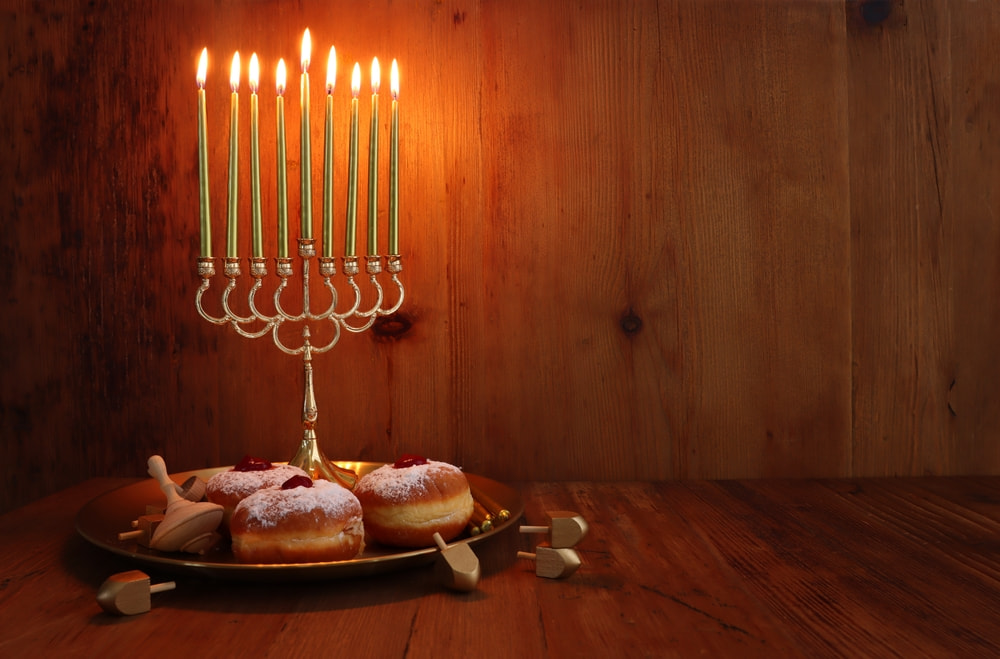
Hanukkah, also known as the Festival of Lights, is one of the most widely recognized celebrations in Jewish tradition. It lasts for eight days and usually falls between November and December according to the Gregorian calendar, as its date is determined by the Hebrew calendar.
The lights lit night after night, the hanukkiah, the dreidel game and foods fried in oil are some of the traditions that characterize this festival. But what does Hanukkah mean, and why is it celebrated for eight days?
To understand the significance of this Jewish festival, we need to go back more than two thousand years, to the Maccabean Revolt and the rededication of the Temple in Jerusalem.
What is Hanukkah and what does it mean?
The word Hanukkah comes from Hebrew and means “dedication” or “inauguration.” The festival commemorates the rededication of the Temple in Jerusalem following the Maccabean Revolt against Seleucid rule.
In the 2nd century BCE, Judea was under the control of the Seleucid Empire. King Antiochus IV Epiphanes imposed a number of restrictions on the practice of Judaism, and the Temple in Jerusalem was desecrated. The revolt led by the Maccabees resulted in the recapture of the Temple and its subsequent rededication.
Jewish tradition connects this event with a second miracle. When the Temple was reclaimed, the menorah, the sacred lampstand that was meant to remain lit, needed to be rekindled. Only a small container of pure olive oil was found, which, according to tradition, was enough to last for just one day. Instead, the oil continued to burn for eight days, giving enough time to prepare a new supply of oil suitable for ritual use.
This miracle explains many of the symbols and traditions associated with Hanukkah to this day.
Why does Hanukkah last eight days?
One of the most common questions about the festival is why Hanukkah lasts eight days.
The answer lies in the miracle of the oil. According to tradition, the amount of oil available should have been enough to keep the Temple menorah burning for just one day. Instead, the flame continued to burn for eight days.
This is why Hanukkah is celebrated over eight consecutive nights. Each night, another light is added to the hanukkiah, until all eight candles are lit on the final night.
The meaning of Hanukkah is therefore not limited to a historical event. The lights also symbolize the ability to keep one’s identity and traditions alive despite adversity.
The hanukkiah and the lighting of the candles
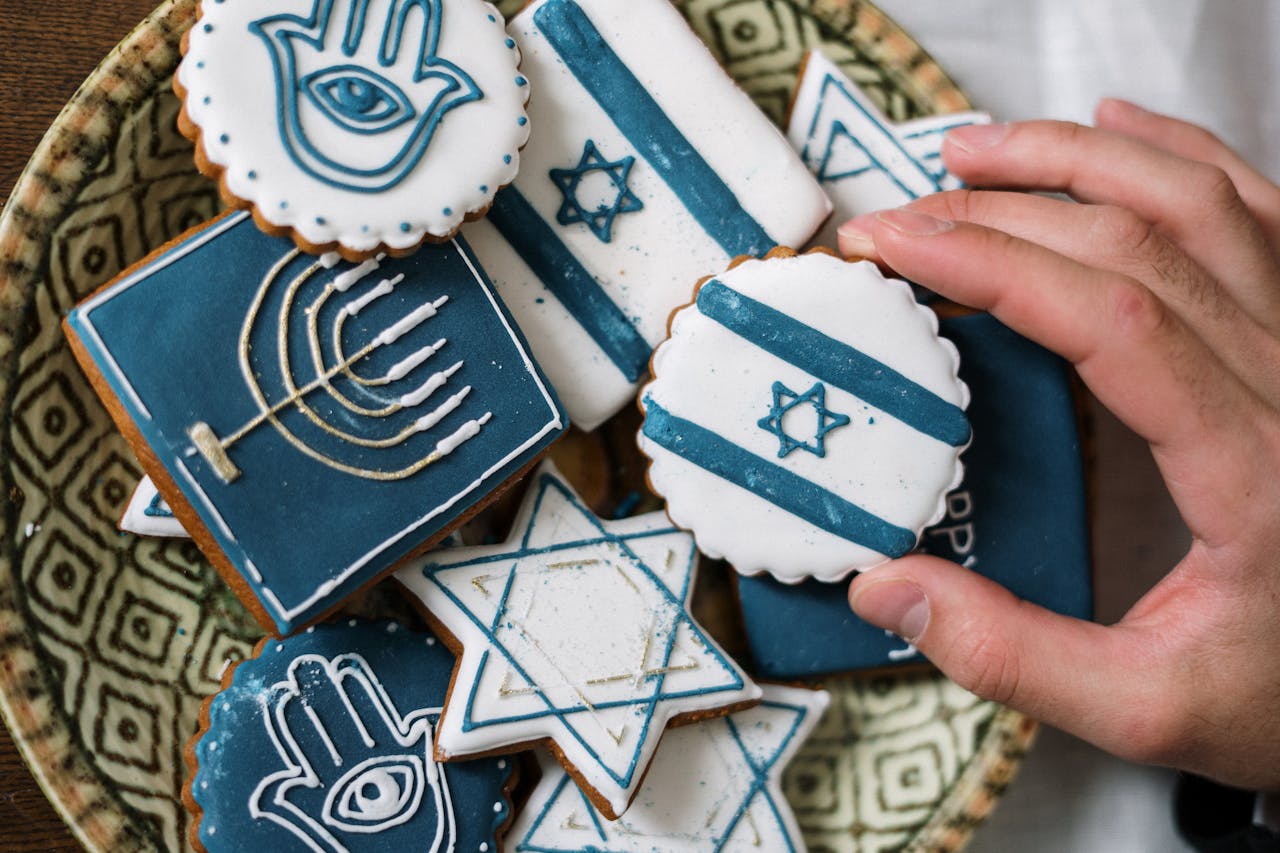
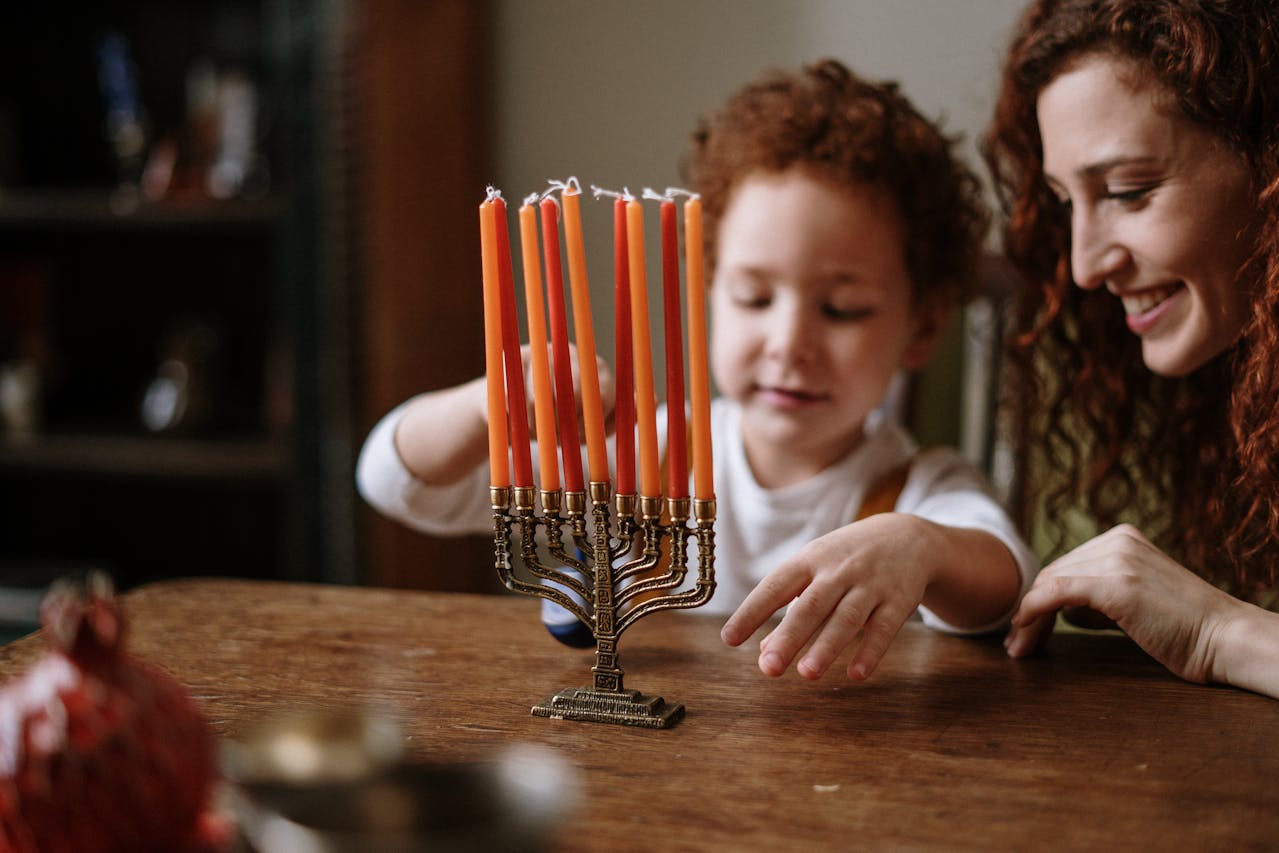
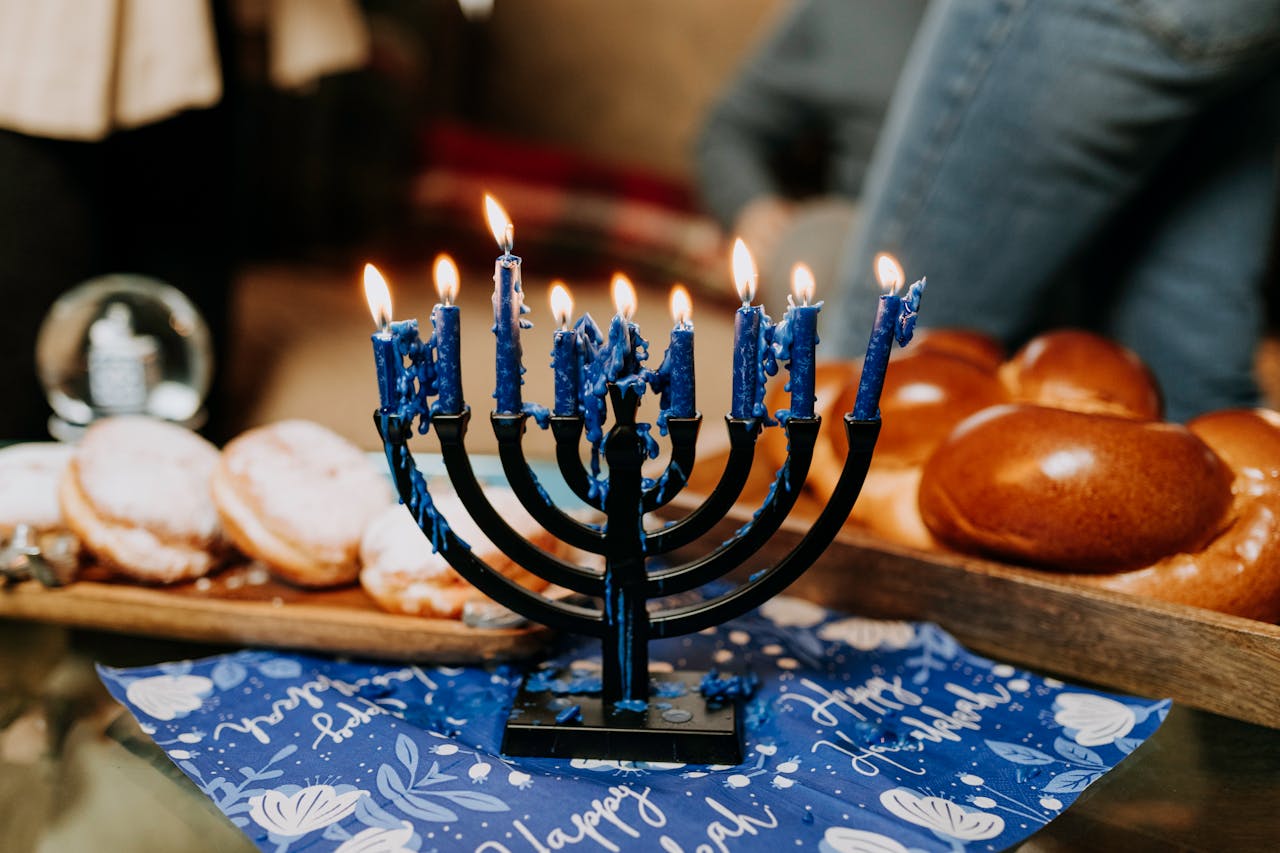
One of the most important symbols of Hanukkah is the hanukkiah, the candelabrum used during the eight-day festival.
It is often simply called a menorah, but the two terms do not refer to exactly the same object. The Temple menorah had seven branches, while the hanukkiah used for Hanukkah has nine places for flames: eight correspond to the eight days of the festival, while the ninth is reserved for the shamash, the helper candle used to light the others.
On the first night, one light is lit. Another is added each night, until all eight lights are burning on the eighth night.
Lighting the candles is not simply a family ritual. Traditionally, the hanukkiah is placed somewhere visible in the home, such as near a window, in order to publicize the memory of the miracle.
Specific blessings are recited during the lighting, and many families also sing traditional songs.
The main traditions of Hanukkah
Hanukkah is a festival deeply connected to family life. Unlike some other Jewish holidays, it does not necessarily require attendance at a synagogue. Much of the celebration takes place at home, around the hanukkiah.
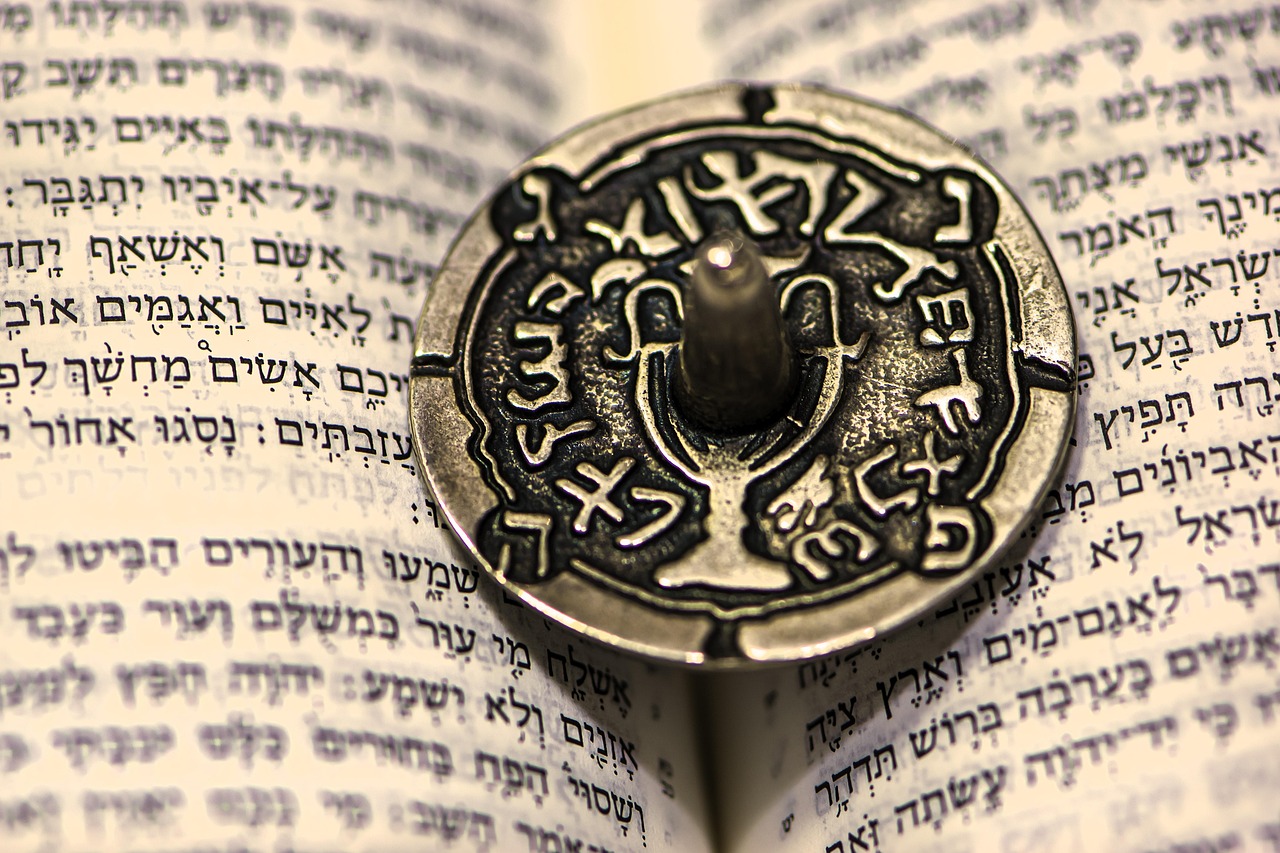
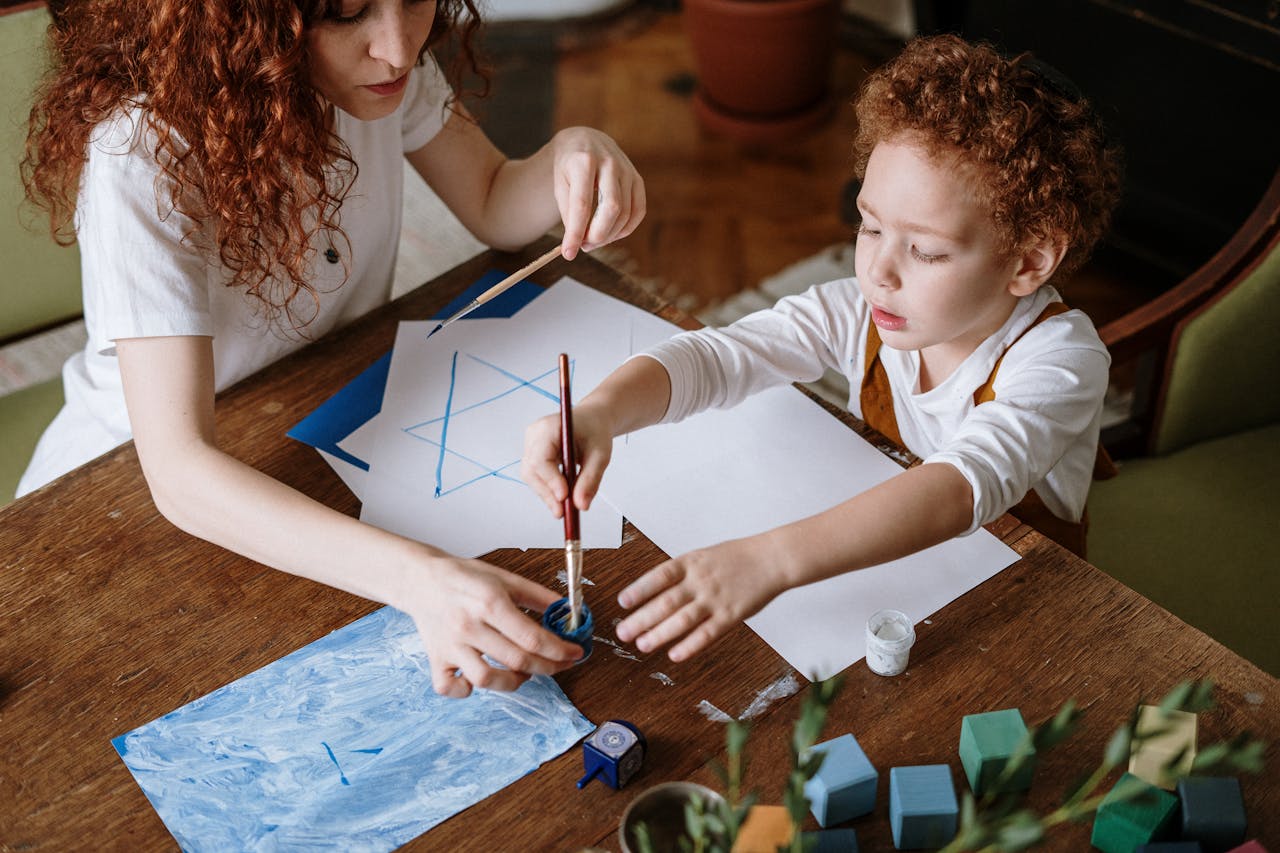
One of the best-known traditions is the dreidel, a small four-sided spinning top bearing Hebrew letters. The game is particularly associated with children and is one of the more playful aspects of the festival.
Another tradition is Hanukkah gelt, originally associated with giving money and now often represented by chocolate coins wrapped in gold foil. Exchanging gifts can also be part of modern Hanukkah celebrations, particularly in families with children, although it is not at the heart of the religious observance.
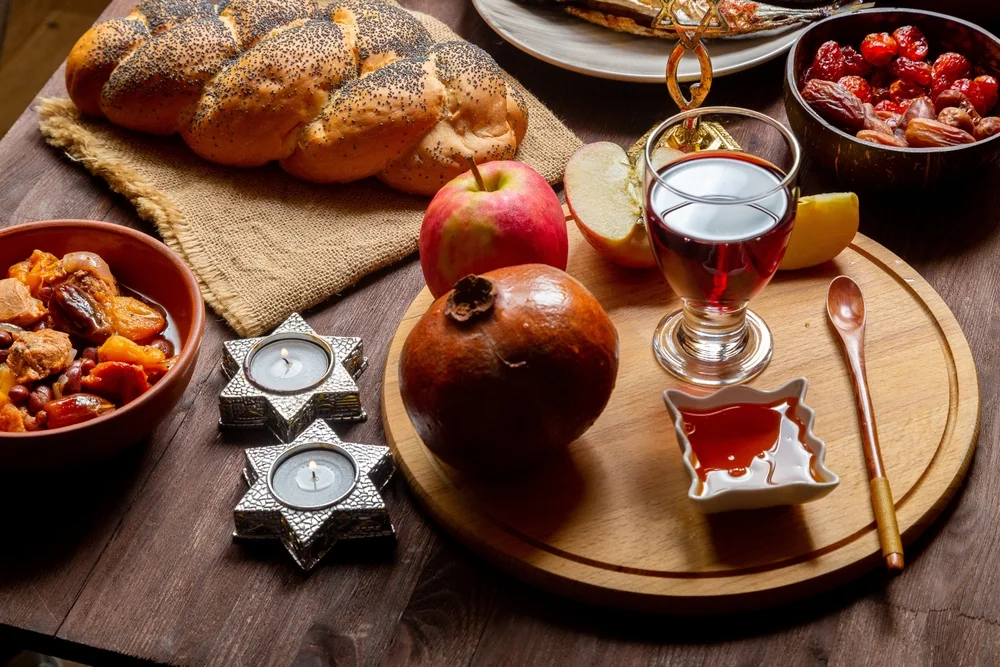
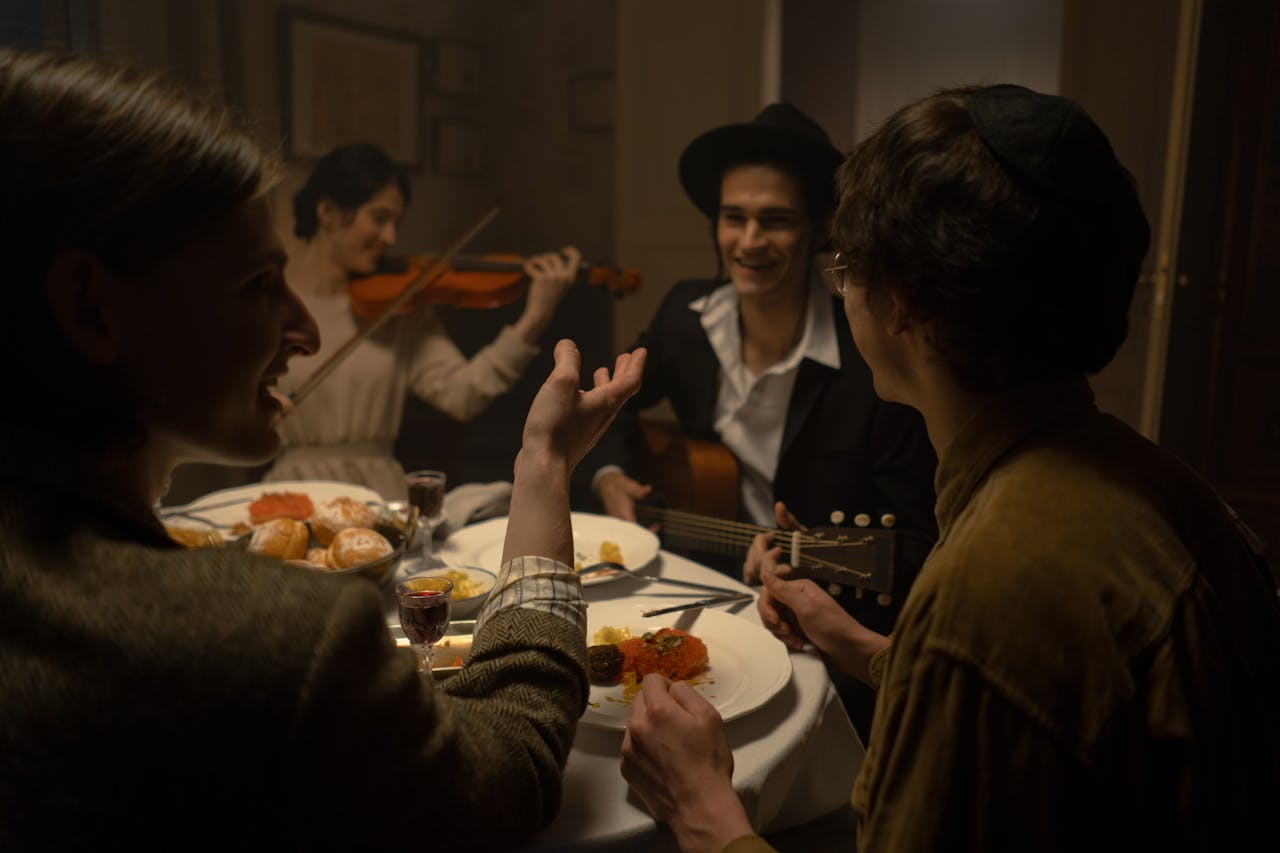
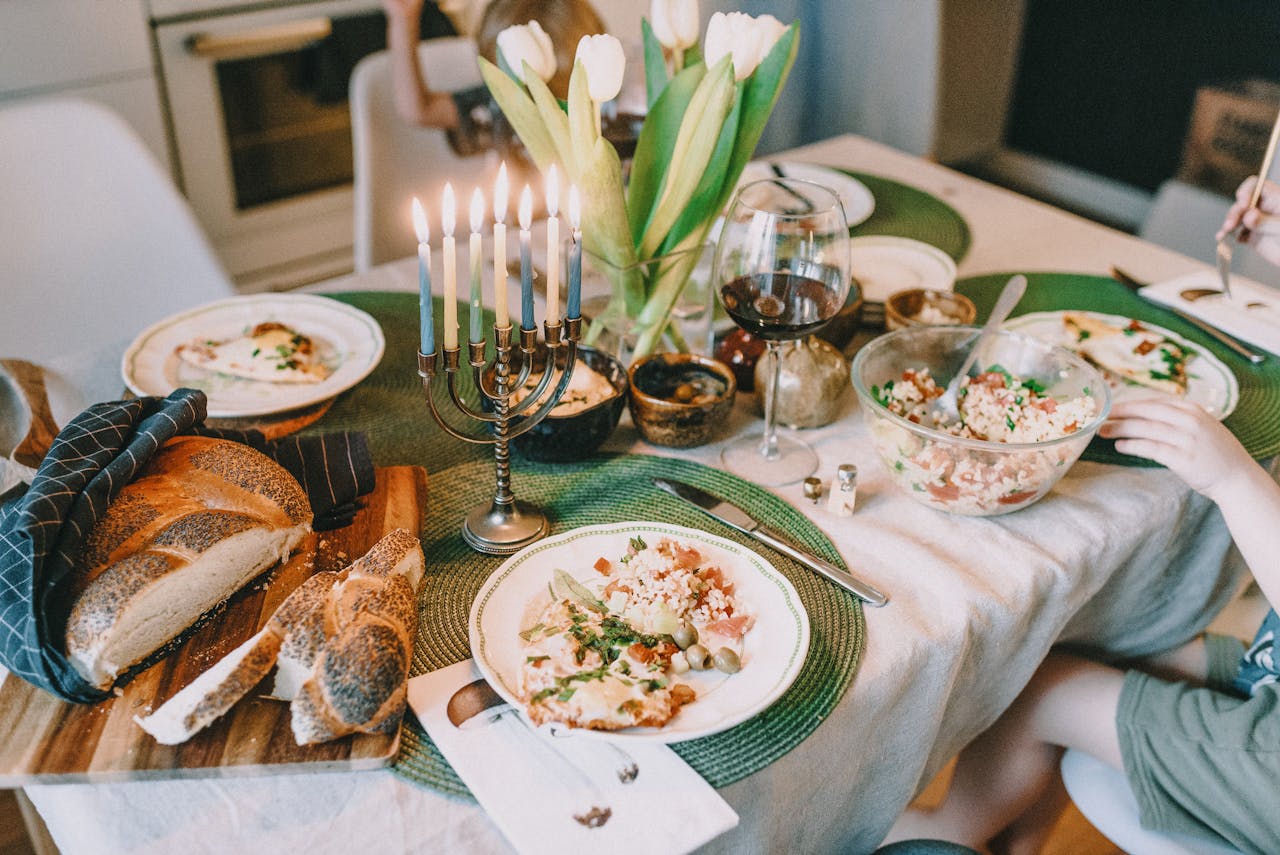
Hanukkah is also a time for coming together. Families gather, light the candles, sing, play games and share food.
What do people eat during Hanukkah?
Food plays an important role in Hanukkah celebrations and, once again, oil takes center stage.
To commemorate the miracle of the oil that burned for eight days, it is traditional to eat foods fried in oil during the festival. Among the best-known specialties are latkes and sufganiyot.
Latkes are potato pancakes traditionally associated with Ashkenazi Jewish cuisine. They are made with grated potatoes and fried, often served with applesauce or sour cream.
Sufganiyot, on the other hand, are deep-fried doughnuts traditionally filled with jam. Today, they come in countless variations, with different creams and fillings.
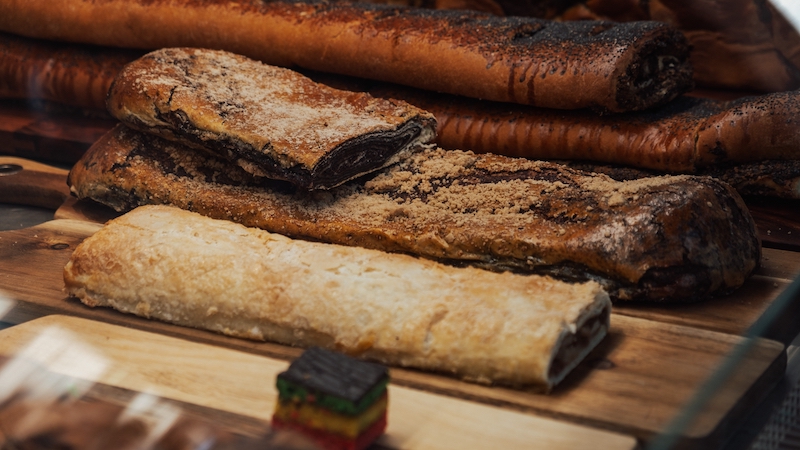
The tradition of eating fried foods is not limited to these two specialties. Jewish communities around the world have their own preparations, shaped by local history and culinary traditions. Sephardic communities, for example, have other popular fried sweets, such as bimuelos and sfenj.
There is also a tradition involving dairy foods, connected to the figure of Judith and the story told in the Book of Judith. Once again, food becomes part of the festival’s collective memory.
Hanukkah is therefore a festival in which food is more than an opportunity to gather together. Ingredients and recipes tell a story and help keep the memory of the miracle of the oil alive, including through the shared experience of a meal.
Hanukkah and kosher cuisine
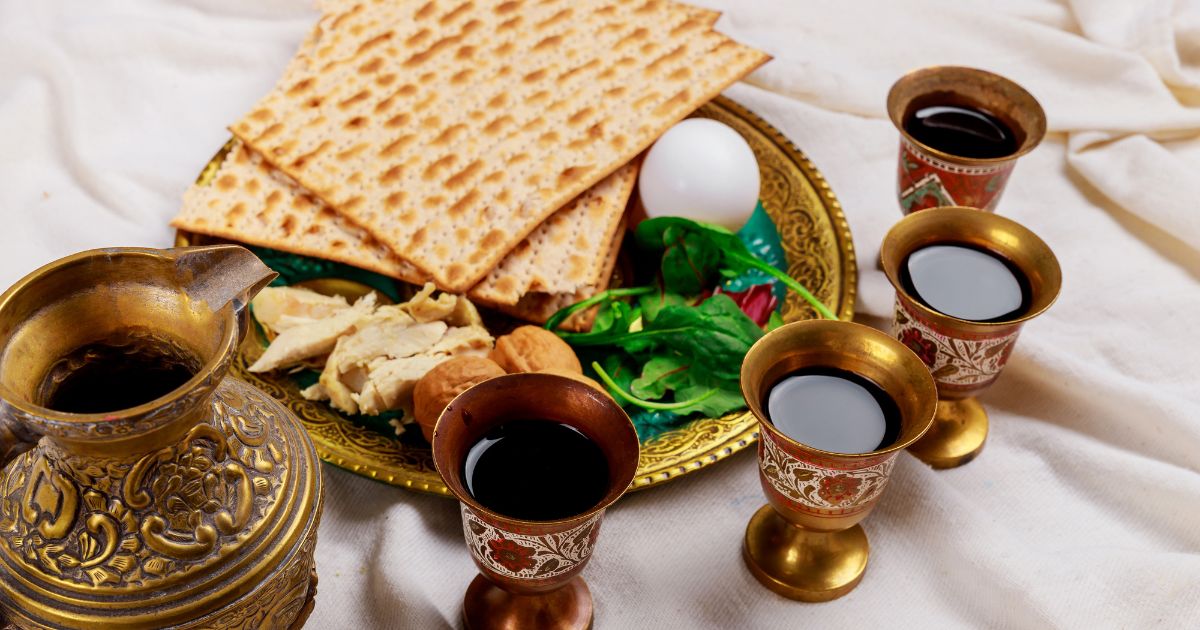
When discussing Jewish food traditions, it is important to distinguish between Jewish cuisine and kosher cuisine. The term kosher refers to anything that complies with Jewish dietary laws, known as kashrut.
Not every dish belonging to Jewish cuisine is automatically kosher, and the rules can be quite complex. Some of the best-known include regulations concerning permitted animals, food preparation and the separation of meat and dairy products.
During Hanukkah, therefore, coming together over food can also involve dishes prepared according to the dietary traditions of the community in question. The table becomes a place where history, religion, culture and gastronomy come together.
When is Hanukkah celebrated?
Hanukkah begins on the 25th day of Kislev, according to the Hebrew calendar, and lasts for eight days. Since the Hebrew calendar is lunisolar, the dates change every year in relation to the Gregorian calendar.
The festival nevertheless falls during the winter months and can therefore take place between late November and December.
Each evening, after sunset and according to the rules governing the candle-lighting ritual, another light is added to the hanukkiah. On the eighth night, all eight lights are burning, symbolically filling the home with light.
The meaning of Hanukkah today
Although it is rooted in the history of ancient Judea, Hanukkah continues to have great relevance today.
The festival commemorates a victory, the rededication of a place that is fundamental to Jewish tradition and the miracle of the oil. Yet its daily rituals bring these meanings into the family setting: a candle being lit, a prayer, a game, a shared sweet.
The light thus becomes Hanukkah’s most immediate symbol. It grows brighter with each passing night and, through its presence in homes and windows, makes visible a story passed down from one generation to the next.
Food also contributes to this story. From latkes to sufganiyot, Hanukkah recipes turn the memory of the miracle of the oil into a tangible experience to be shared around the table.
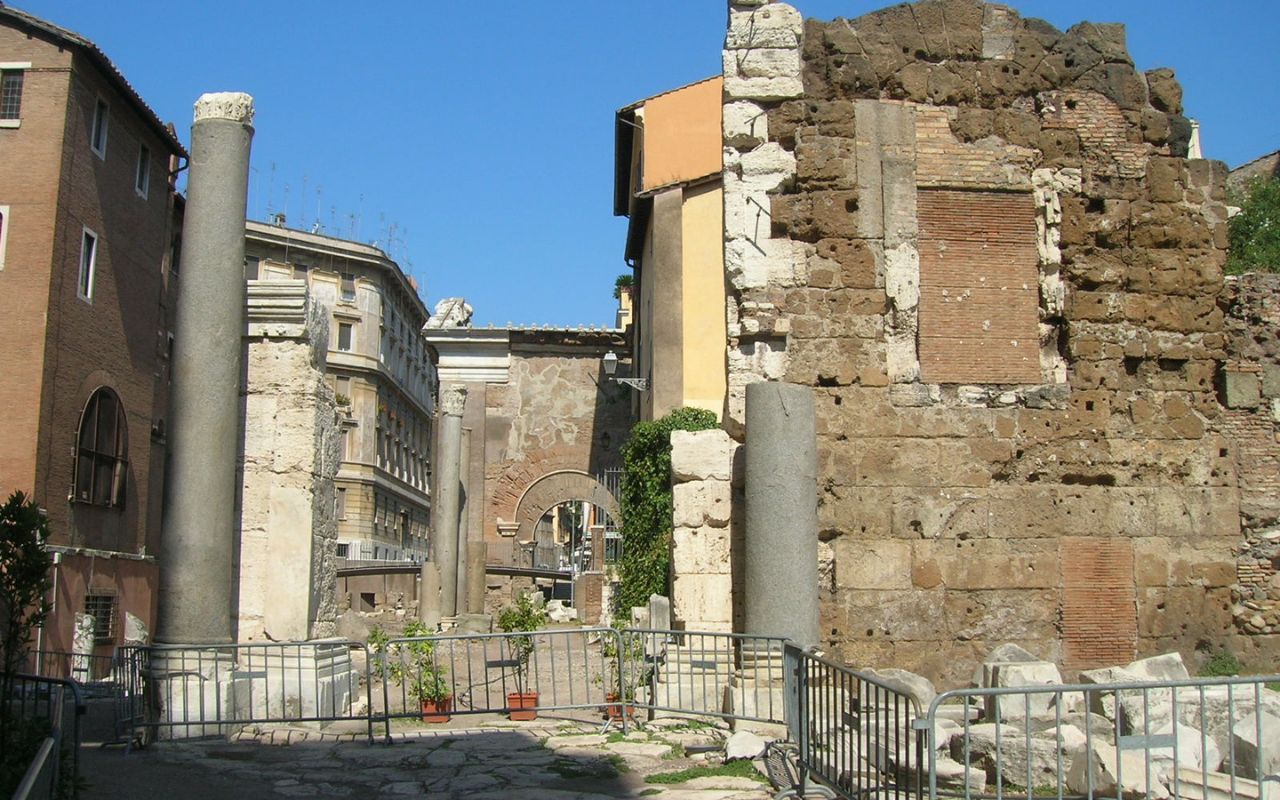
Celebrating Hanukkah in Rome: discover kosher cuisine
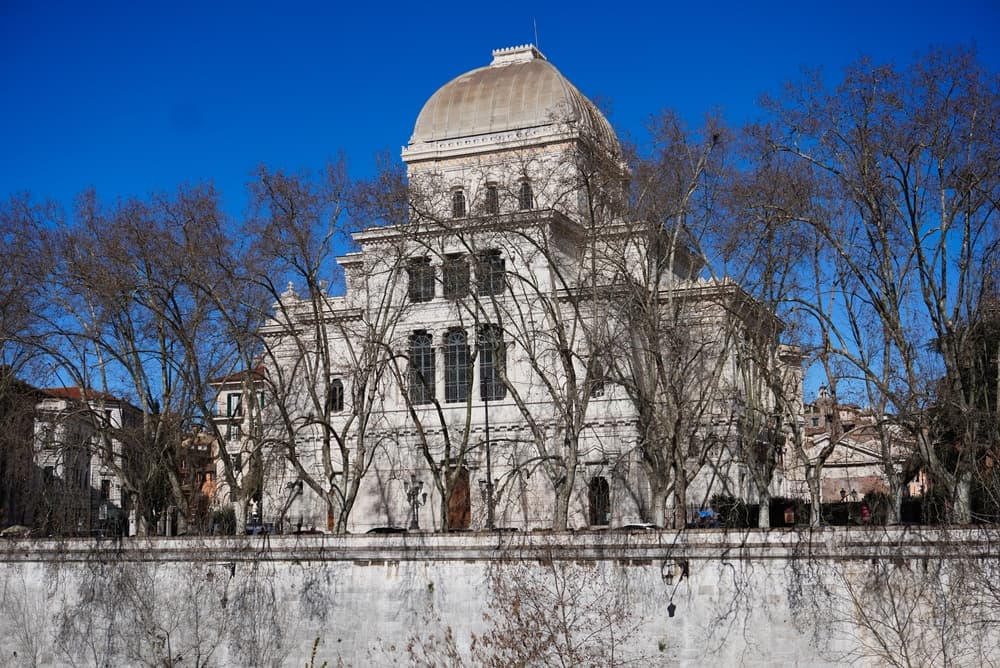
If you want to learn more about Jewish cuisine in Rome and enjoy a dining experience rooted in kosher tradition, you can choose a restaurant specializing in Roman-Jewish cuisine.
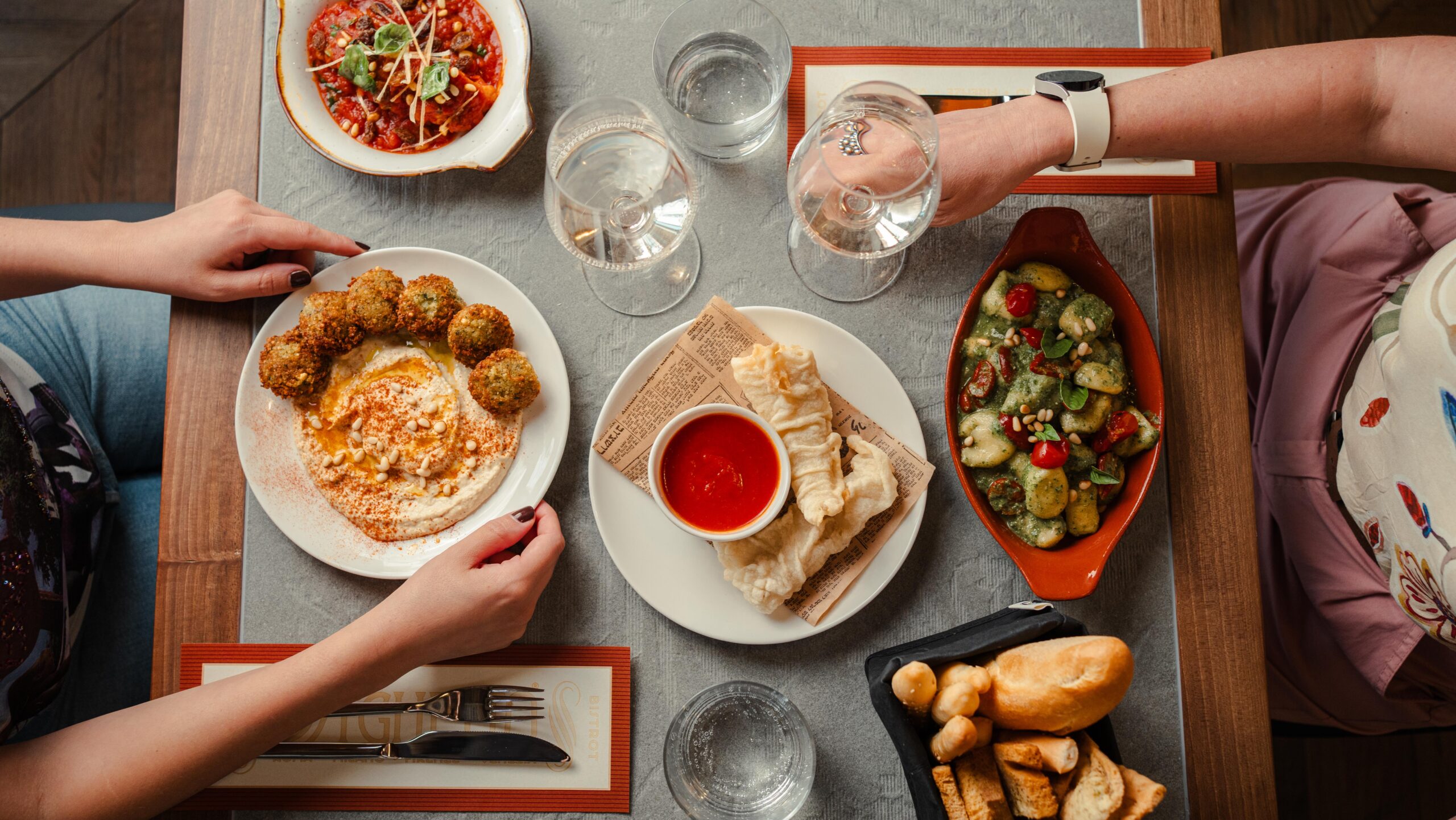
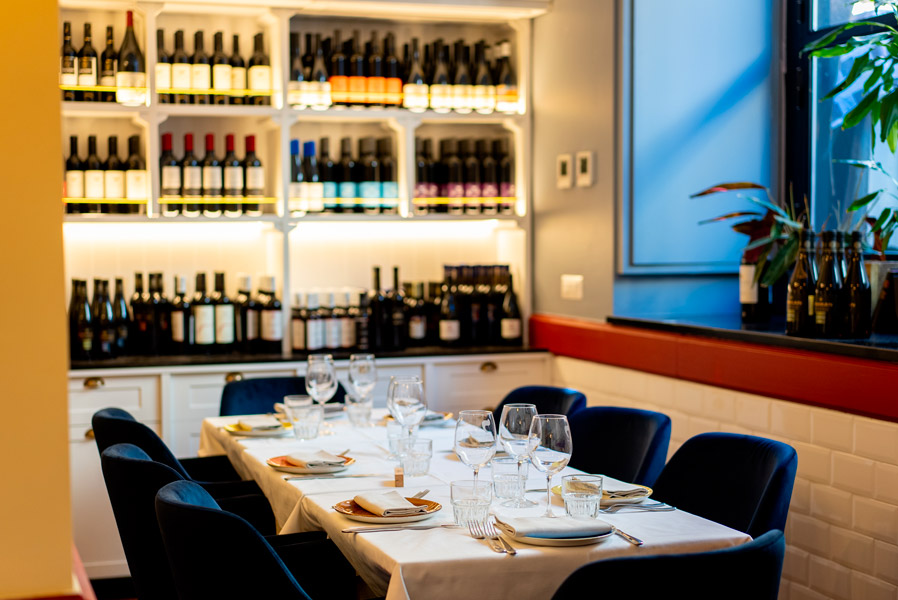
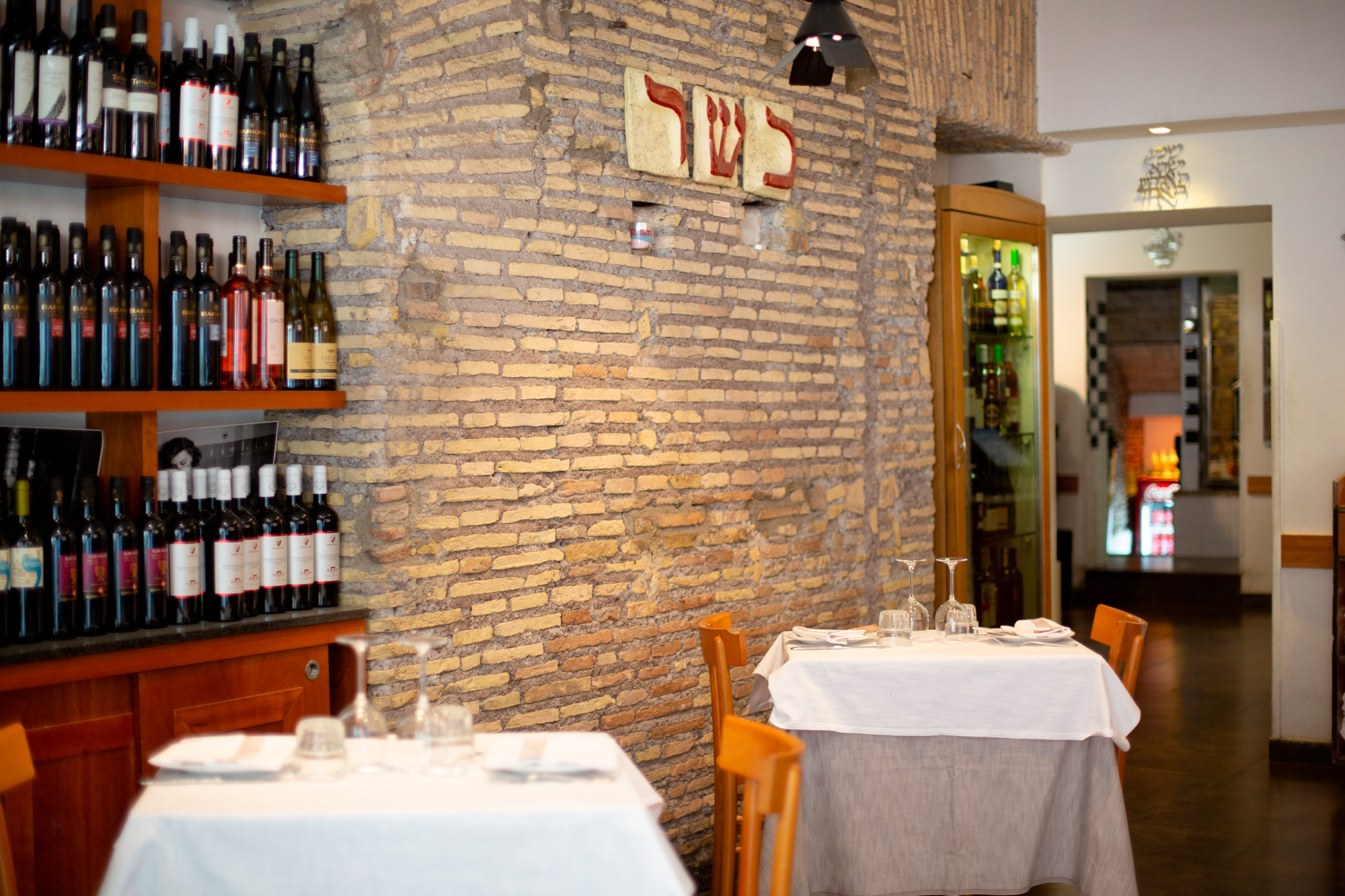
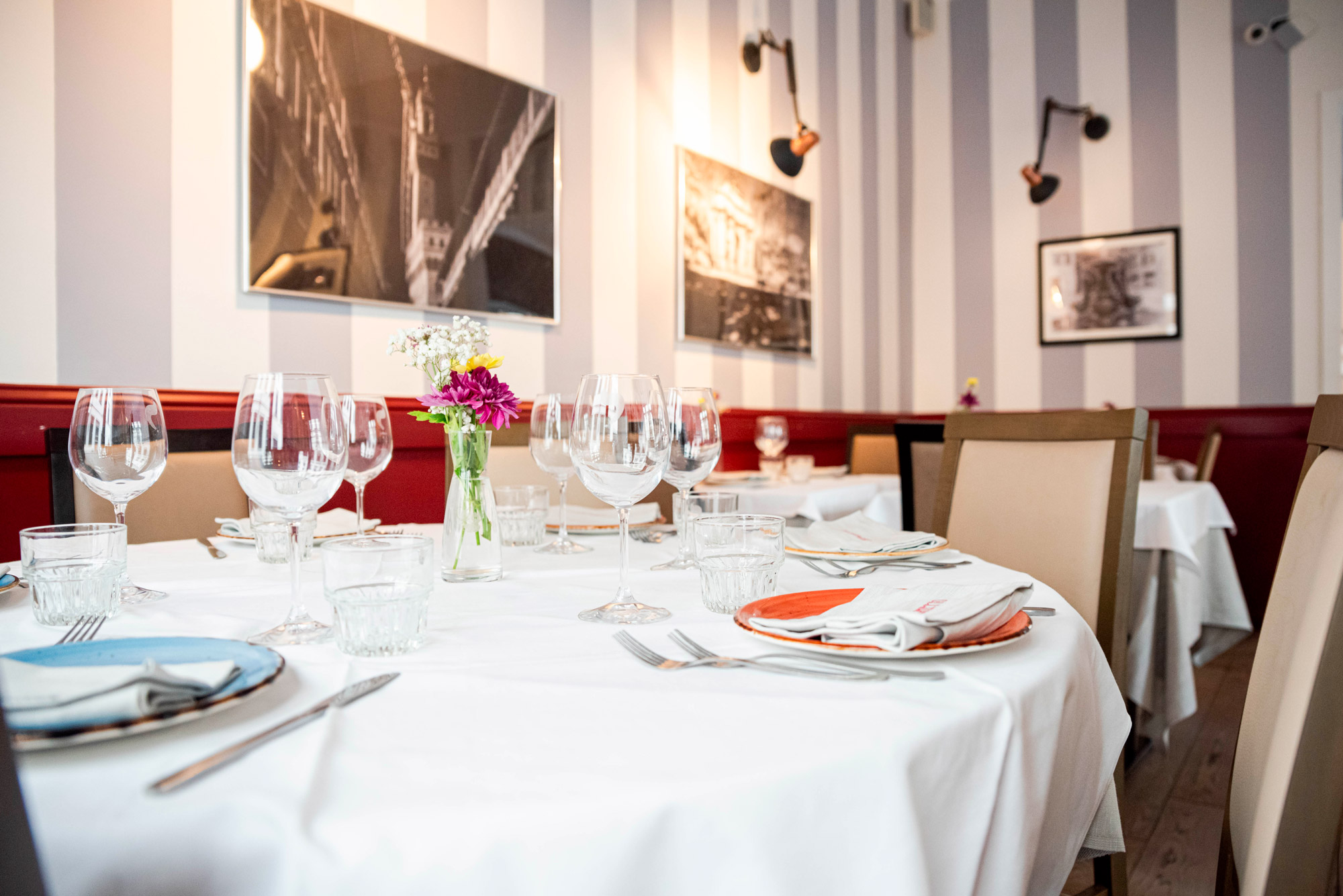
In Rome, Ba’Ghetto Bistrot offers kosher cuisine that provides an opportunity to discover the flavors, recipes and traditions of the Roman Jewish community in a welcoming setting centered around sharing good food. It is an ideal choice for anyone who wants to explore the connection between Jewish culture and gastronomy through food.
If you are in Rome during Hanukkah and want to sample kosher cuisine in Rome while spending an evening immersed in tradition, book a table at Ba’Ghetto Bistrot and discover the flavors of Roman-Jewish cuisine.
30.07.26
Share