





Cheese might seem like the simplest food in the world: milk, rennet, salt and time. Yet to be considered kosher, it has to meet a set of very precise rules covering where the milk comes from, what kind of rennet is used and even who is present in the dairy while it is being made.
That’s why kosher cheese can’t be identified by its recipe, only by its certification. Understanding how it works sheds light on a little-known side of kashrut, and offers a fresh way of looking at Italy’s great traditional cheeses.
What is kosher cheese?
Kosher cheese is cheese produced in accordance with kashrut, the body of Jewish dietary laws. There is no single type of kosher cheese: a mozzarella can be kosher just as an aged cheese can, as long as every stage of production follows the rules.
The starting point is the milk, which must come from kosher animals. It’s the same logic that governs kosher meat: permitted animals are ruminants with cloven hooves, such as cattle, goats and sheep.
Milk alone isn’t enough, though. What really makes a cheese kosher or not is the rennet, the added ingredients and the oversight of production.
Why is rennet so important for kosher cheese?
Rennet is the enzyme that curdles milk and turns it into cheese. Traditional rennet is animal-derived, as it comes from a calf’s stomach: if the animal was not slaughtered according to the rules of kashrut, the cheese cannot be considered kosher.
For this reason, kosher cheesemakers use microbial or vegetable rennet, or animal rennet from certified kosher sources.
The same applies to every other ingredient. Cultures, salt and additives must all be certified, because some thickeners or flavourings may be derived from non-kosher meat by-products.
Kosher cheese and rabbinic supervision: what is gevinat Yisrael?
Even when every ingredient complies, kosher cheese requires one more step. Since hard cheese is typically made with animal rennet, the rabbinic sages ruled that a supervisor must be present in the dairy, even when no animal rennet is used.
Cheese made with kosher ingredients under this supervision is called gevinat Yisrael. The supervisor, known as a mashgiach, is responsible for ensuring the rules are followed and guaranteeing the product’s kashrut to the consumer.
Cheese made without supervision, on the other hand, is called gevinat akum: many Orthodox Jews will not eat it, even when it is made with non-animal rennet.
Chalav Yisrael: the milk behind the strictest kosher cheeses
There is an even stricter level of oversight, known as chalav Yisrael. Here supervision doesn’t begin in the dairy but at milking itself, which takes place under the eye of a rabbinic authority.
The aim is to verify that the milk comes exclusively from kosher animals. It’s a more rigorous standard than supervision in the dairy alone, and some Italian cheese producers have adopted it too.
How is kosher cheese certified?
Kosher certification is granted by a specialised rabbinic agency, which checks the ingredients, the facilities and the production process itself. Once the checks are complete, the producer can display the certifying agency’s symbol on the packaging.
There are a great many certification agencies worldwide: by 2014 there were already more than a thousand. Among the best known internationally are the OU, the Orthodox Union, and OK, both based in New York.
For shoppers, the only way to be sure a cheese is kosher is to check that it carries the certification of a recognised rabbinic agency. The same logic of supervision applies to other products, such as kosher wine, which must be produced by observant Jews.
Which Italian cheeses are available in kosher versions?
Some of Italy’s great cheeses also come in kosher versions. The most famous is kosher Parmigiano Reggiano PDO: the first wheel was cut on 27 October 2015 at Expo Milano, in the Israel Pavilion.
Reconciling Parmigiano’s production rules with kashrut meant overseeing every stage, from the herd to chalav Yisrael milking, right through to certified kosher animal rennet. In the dairy, the supervisor’s only direct task is adding the rennet to the vats.
Grana Padano PDO and mozzarella are also available in kosher versions. For Grana Padano, every wheel is inspected and, once checked, marked to confirm its compliance.
Kosher cheese and the meat and milk rule
In Jewish cuisine, cheese belongs to the category of dairy foods. That’s why one of the best-known rules of kashrut applies: meat and milk are not eaten together, either in preparation or at the table.
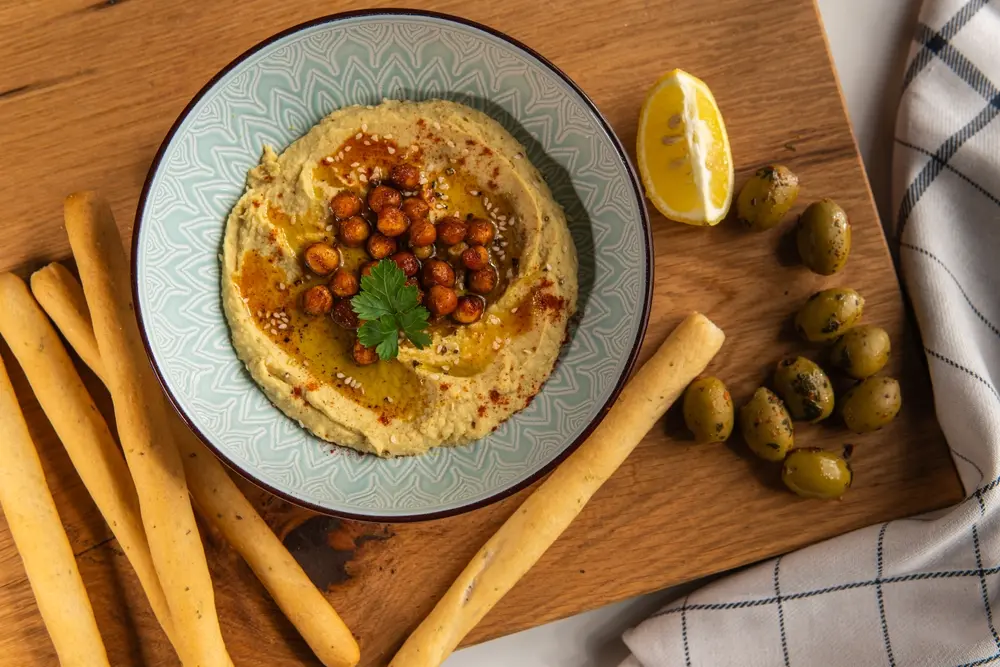
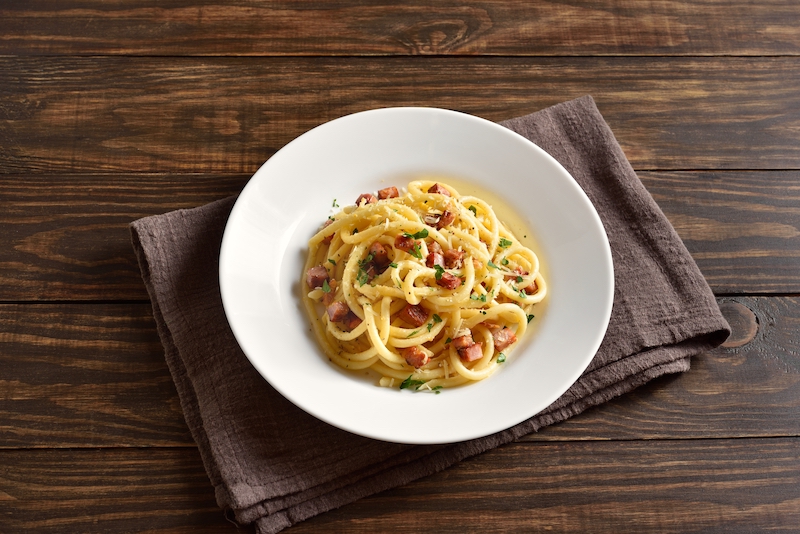
As a result, in kosher cooking cheese appears in meat-free dishes, alongside fish and pizza, for example. Traditional recipes adapt too, as in the Jewish carbonara, where fish takes the place of guanciale.
Discover kosher cuisine: book a table at Ba’Ghetto in Rome
Kosher cheese captures the spirit of kashrut perfectly: a good ingredient isn’t enough on its own, every stage needs careful oversight, from the milk to the rennet to supervision in the dairy. It’s this care that turns an everyday food into a product true to tradition.
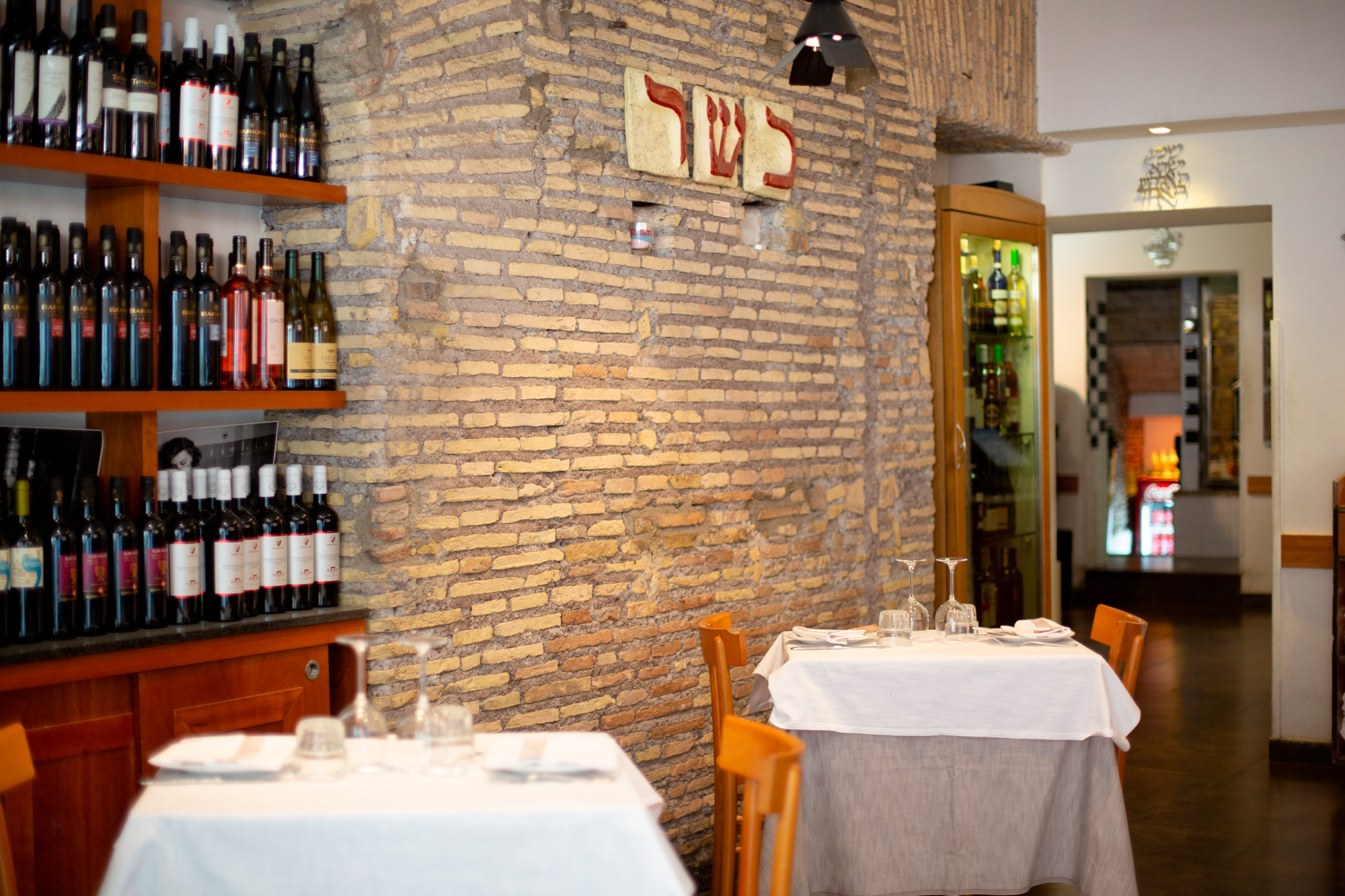
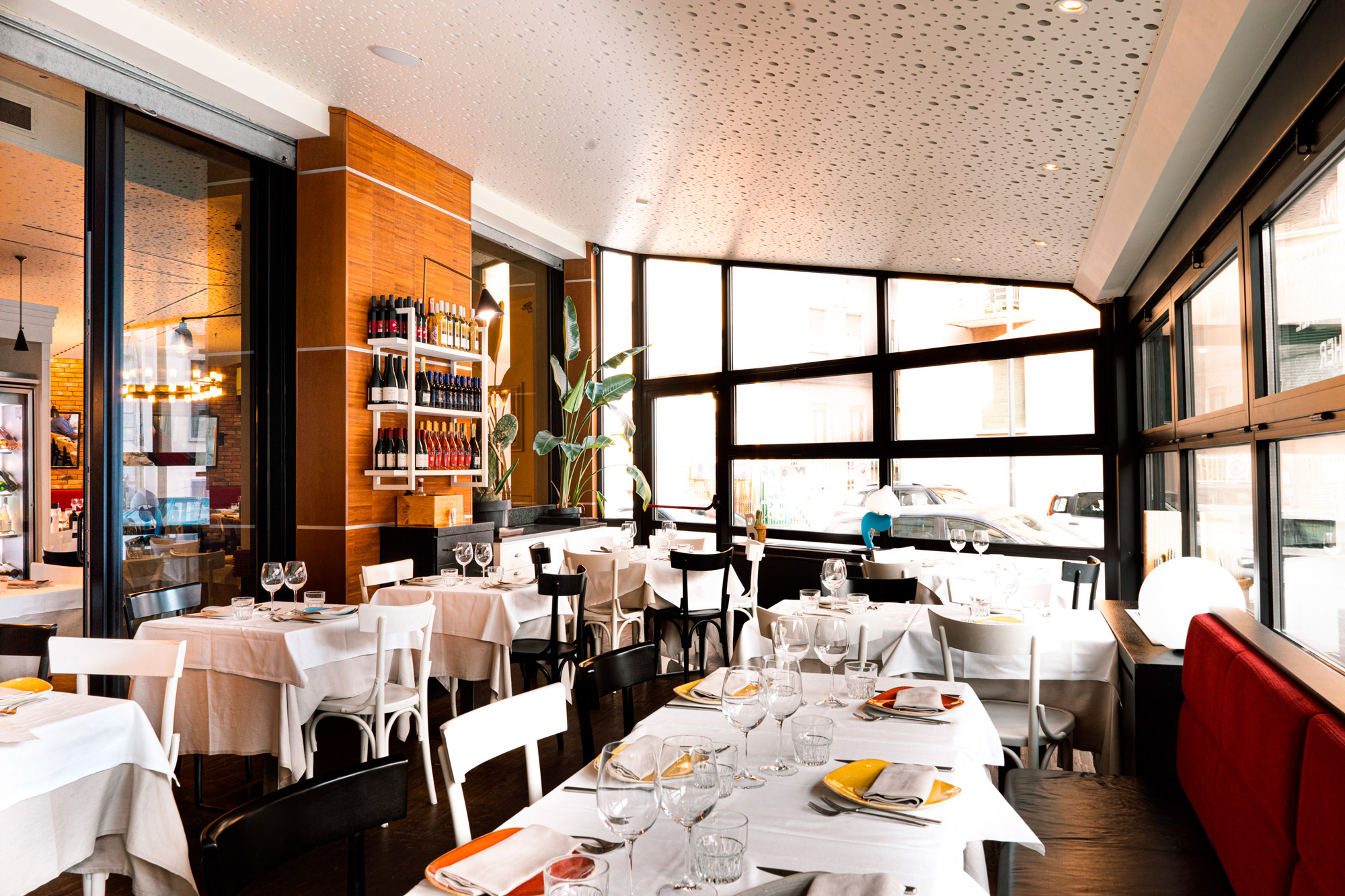
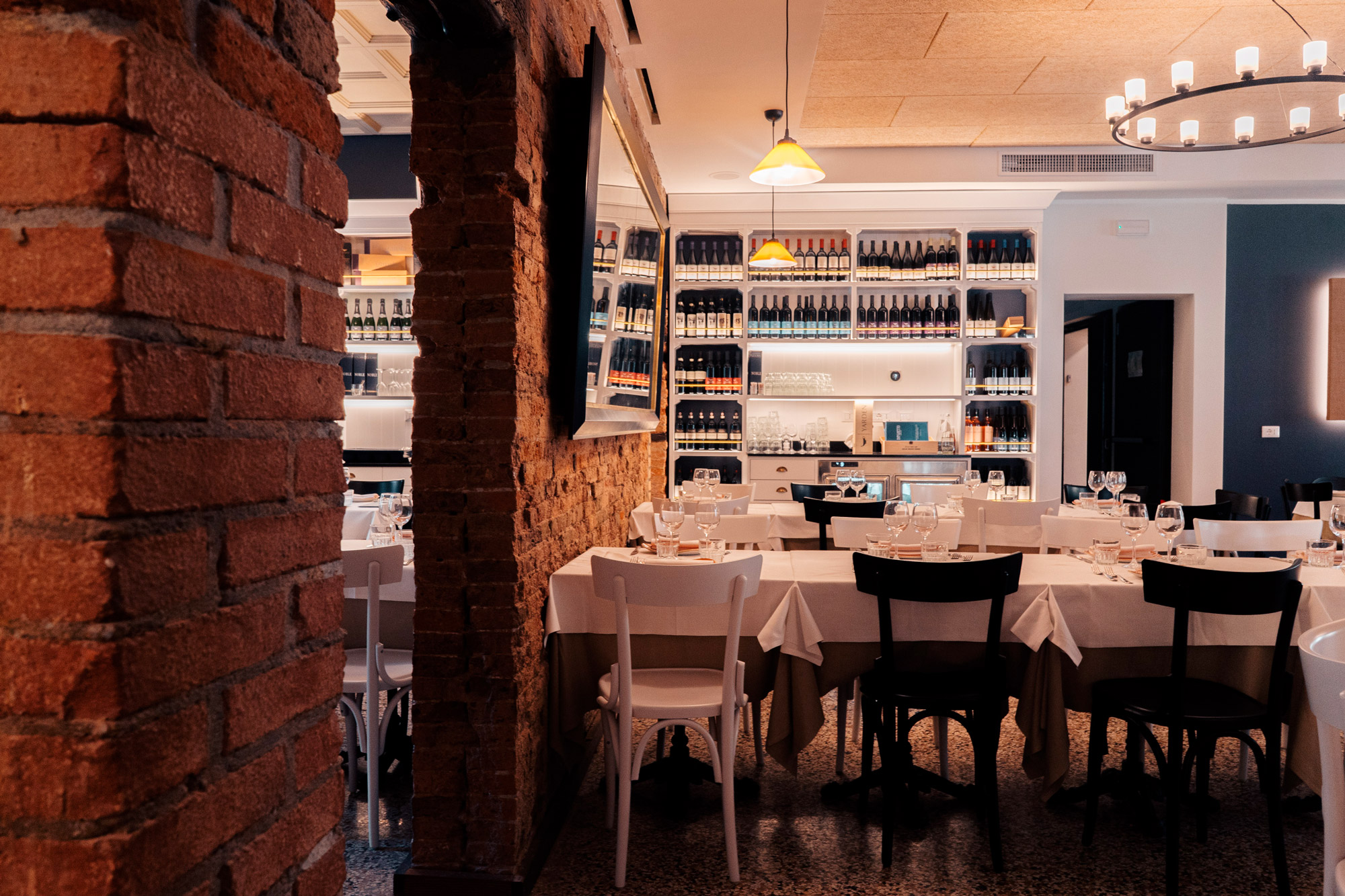
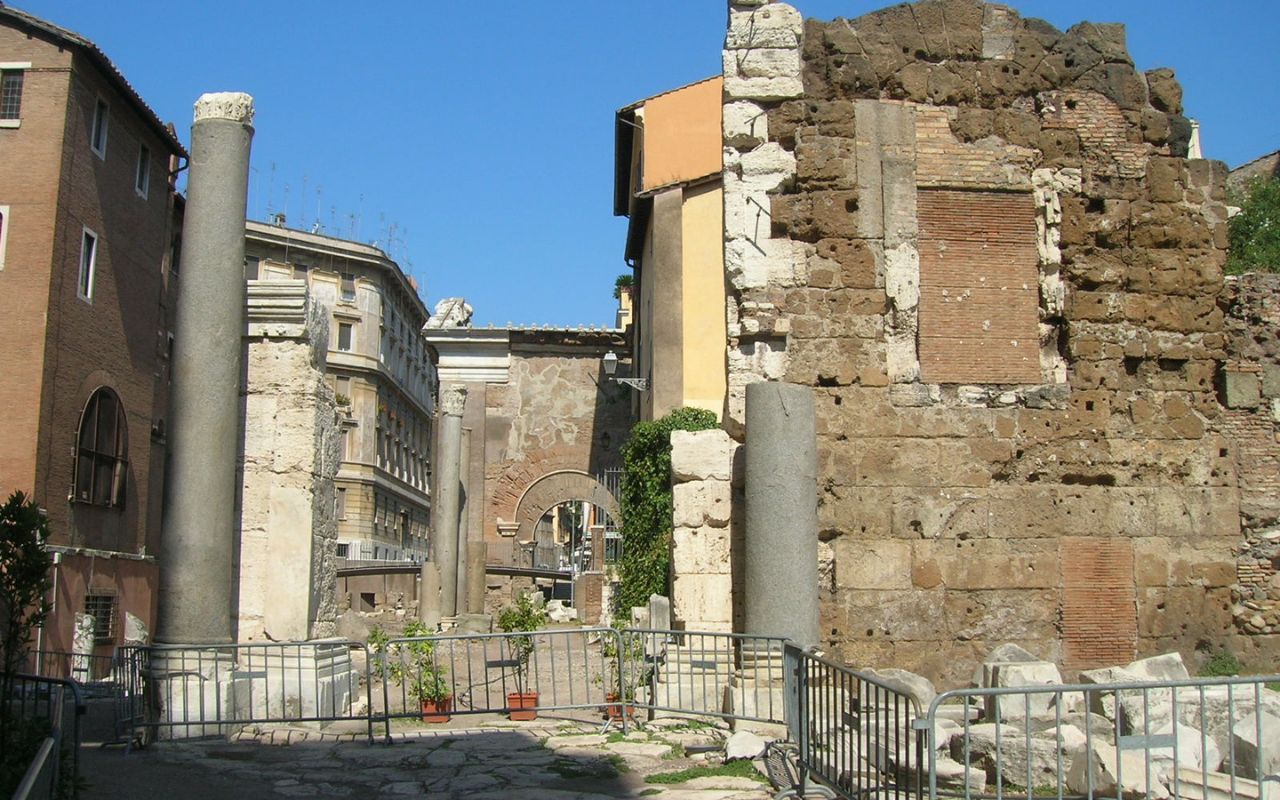
To experience this attention to Jewish dietary laws first-hand, there’s Ba’Ghetto, the oldest Jewish restaurant in Rome, on Via del Portico d’Ottavia in the heart of the Jewish Quarter. Its cuisine blends Jewish, Roman and Middle Eastern traditions with strict attention to the rules of kashrut.
Book a table at Ba’Ghetto in Rome and discover the flavours of Roman Jewish kosher cuisine.
18.10.26
Share