




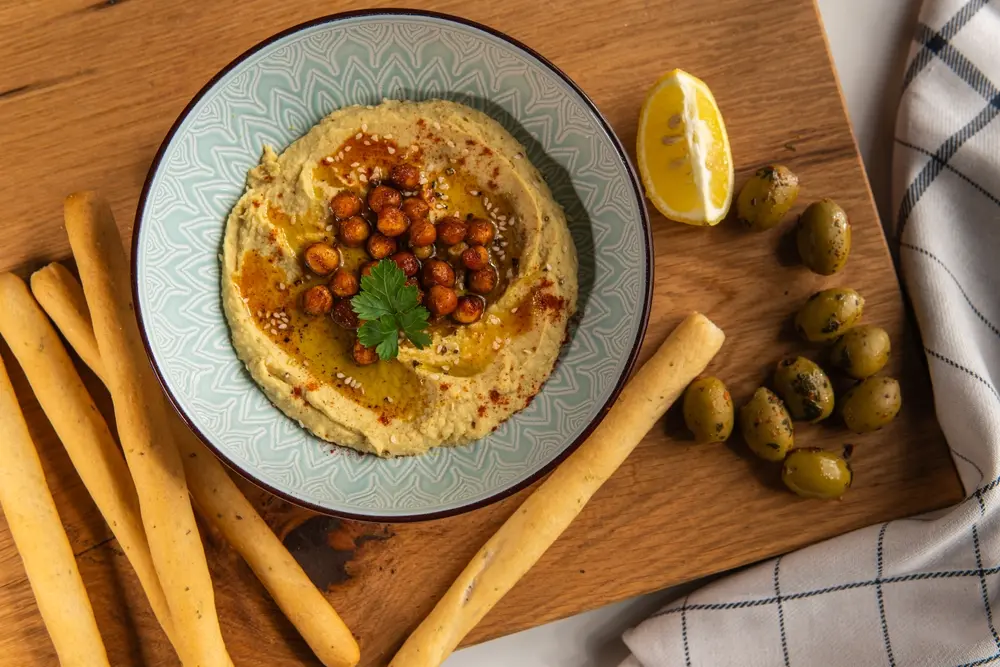
Homemade hummus is a completely different thing from the tubs you find at the grocery store. It’s smooth and almost fluffy, with the deep flavor of chickpeas and sesame, a bright hit of lemon and a pool of olive oil on top. There are only a handful of ingredients, and every one of them matters.
In Jewish cooking, especially in Israeli and Sephardic homes, hummus is far more than a starter. It’s an everyday staple, as much at home on the Shabbat table as at a lazy Sunday brunch.
Here you’ll find the authentic hummus recipe, why it’s naturally kosher, and the small details that make the difference between a grainy paste and a truly velvety dip.
What is hummus and where does it come from?
Hummus is simply the Arabic word for “chickpeas.” The full name of the dish is hummus bi tahina, chickpeas with tahini, the paste made from ground sesame seeds. It has been eaten for centuries across the Levant, from Lebanon and Syria to Jordan and Israel.
In Israeli cuisine, hummus has become something close to a national dish. There are restaurants devoted to nothing else, known as hummusiot, where it’s served warm and freshly made in shallow bowls, ready to be scooped up with pita.
Jewish communities from across the Arab world brought hummus with them wherever they settled, making it a fixture of Middle Eastern and Sephardic Jewish cooking. Today it’s one of the signature dishes of contemporary Jewish food in Europe and beyond.
Is hummus kosher?
Yes, hummus is naturally kosher, as long as every ingredient is. Chickpeas, tahini, lemon, garlic, olive oil and salt raise no issues under the rules of kashrut, the Jewish dietary laws.
What’s more, hummus is pareve, meaning neutral. It contains neither meat nor dairy, so it can be served with either kind of meal without breaking the rule on keeping meat and milk apart. That’s one reason it’s such a favorite in observant households.
The thing to watch is packaged products. Tahini, canned chickpeas and olive oil are all processed foods, so anyone keeping strictly kosher should choose brands with a reliable kosher certification. Fresh herbs for garnish, such as parsley, also need to be washed and checked carefully for insects.
Can you eat hummus on Passover?
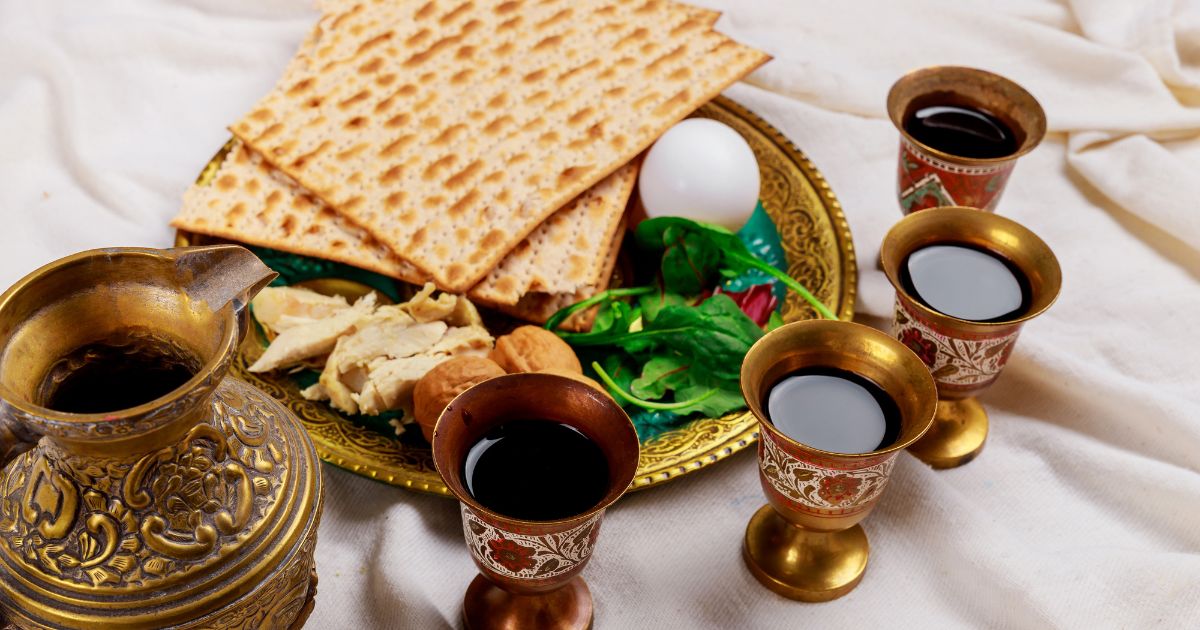
Every year around Pesach, the same question comes up. Chickpeas belong to kitniyot, the category of legumes and grains on which Jewish traditions differ.
Ashkenazi communities have traditionally avoided kitniyot during the holiday, which means no hummus for the whole week of Passover. Many Sephardic and Middle Eastern communities, on the other hand, eat them as usual, provided the ingredients are certified kosher for Passover.
The best guide is your own family or community custom, or a question to your rabbi.
Authentic hummus ingredients
The list of hummus ingredients is short, and it doesn’t leave much room for improvisation. For about four servings you’ll need 250 g (about 1¼ cups) of dried chickpeas, 1 teaspoon of baking soda, 120–150 g (½ to ⅔ cup) of tahini, the juice of one lemon, 1 or 2 garlic cloves, salt, ice-cold water, and extra virgin olive oil for serving.
The classic garnishes are sweet paprika or sumac, a few whole chickpeas set aside after cooking, and chopped parsley. Cumin is optional: plenty of Israeli recipes include it, plenty don’t.
No yogurt, no cream, no large amount of oil blended into the mix. The creaminess of authentic hummus comes from well-cooked chickpeas and good tahini, not from anything added afterward.
How to make hummus at home, step by step
Making hummus from scratch takes time more than skill. The real secret is in cooking the chickpeas until they’re completely soft, almost falling apart.
Soaking the chickpeas
The night before, cover the dried chickpeas with plenty of cold water and stir in half a teaspoon of baking soda. Leave them to soak for at least 12 hours, until they’ve doubled in size.
The next day, drain them and rinse well under running water.
Cooking the chickpeas
Put the chickpeas in a large pot with fresh water and the remaining half teaspoon of baking soda. Bring to a boil, skim off the foam that rises to the surface, then turn the heat down and simmer for about an hour to an hour and a half.
They’re ready when you can squash one between two fingers with no resistance at all. If they’re still firm, your hummus will be grainy no matter how powerful your food processor is. Keep a few whole chickpeas aside for garnish.
Blending the hummus
Drain the chickpeas while they’re still hot and put them in the food processor with the garlic, lemon juice and a pinch of salt. Blend into a thick purée.
Add the tahini and keep blending, drizzling in a few tablespoons of ice-cold water as you go. This is the step that turns the mixture pale, light and silky. Taste and adjust the salt and lemon: good hummus should be well seasoned with a gentle tang.
Serving the hummus
Spread the hummus in a shallow bowl and use the back of a spoon to make a swirl around the center. Fill it with olive oil, then top with the whole chickpeas, a dusting of paprika and the chopped parsley.
How hummus is eaten in Jewish tradition
Hummus is eaten warm or at room temperature, scooped up with warm pita torn by hand. In Israel it’s often served with raw onion, pickles, falafel and long-cooked hard-boiled eggs.
Among the most popular variations are masabacha, where the chickpeas are left almost whole and dressed with tahini and lemon, and hummus topped with stewed fava beans, a Middle Eastern breakfast favorite.
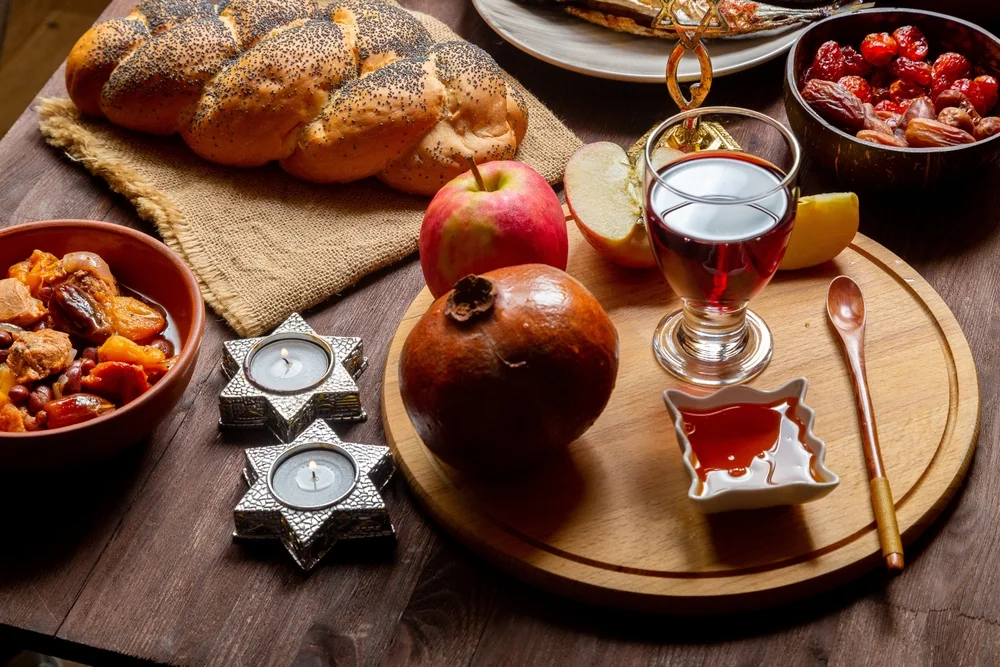
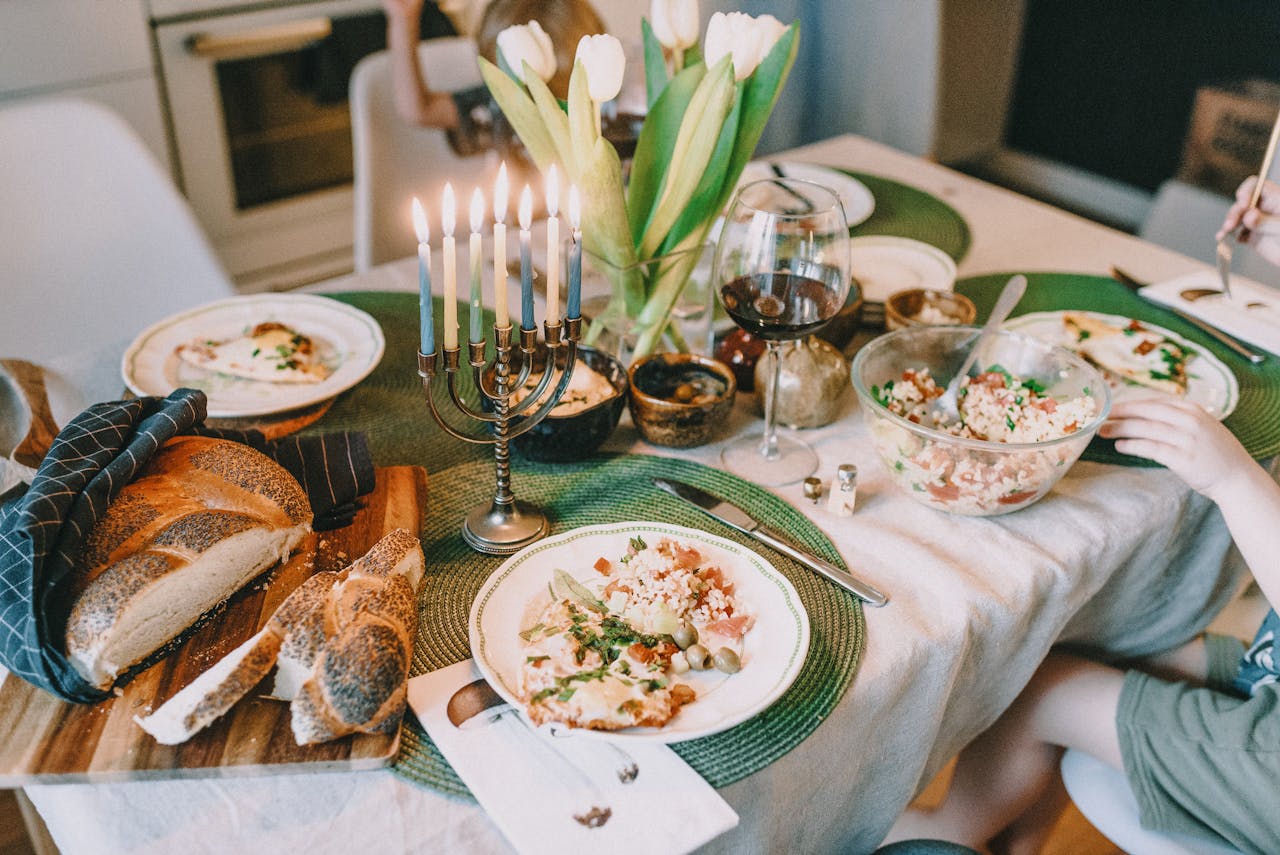
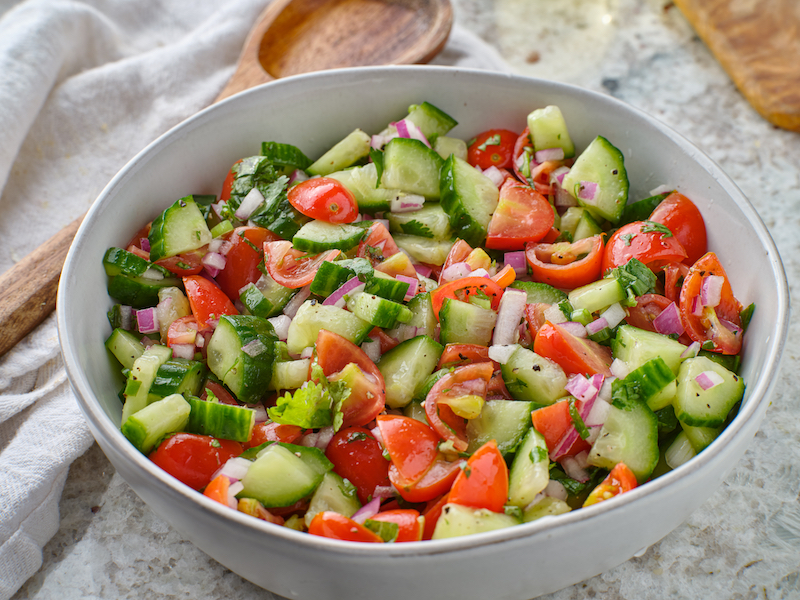
On the Shabbat table, hummus often appears among the cold starters, alongside Israeli salad and other vegetable dips, in the kind of generous spread that feels like a celebration.
Common mistakes when making homemade hummus
The most common mistake is undercooked chickpeas. The result is a sandy, heavy paste that no amount of olive oil can rescue. It’s always better to cook them a few minutes too long than a few minutes too little.
The second one is the tahini. It should be fresh and runny, and well stirred in the jar, since the oil tends to separate. Old or over-roasted tahini will make your hummus bitter.
Finally, go easy on the garlic. Too much of it drowns out the chickpeas and sesame. In authentic hummus, garlic is a supporting player, not the star.
How long does homemade hummus last?
Homemade hummus keeps in the fridge for 3–4 days in an airtight container, with a thin layer of olive oil on top to stop the surface from drying out.
Before serving, let it sit at room temperature for about half an hour and stir in a spoonful of water if it has thickened too much. Still, nothing beats hummus that’s freshly made and still warm.
Book a table at Ba’Ghetto
Hummus is proof of how Jewish cooking can turn the simplest ingredients into a dish full of history. Chickpeas, sesame and lemon tell the story of Jewish communities moving between the Middle East and the Mediterranean, the same journey that shaped so many traditional recipes.
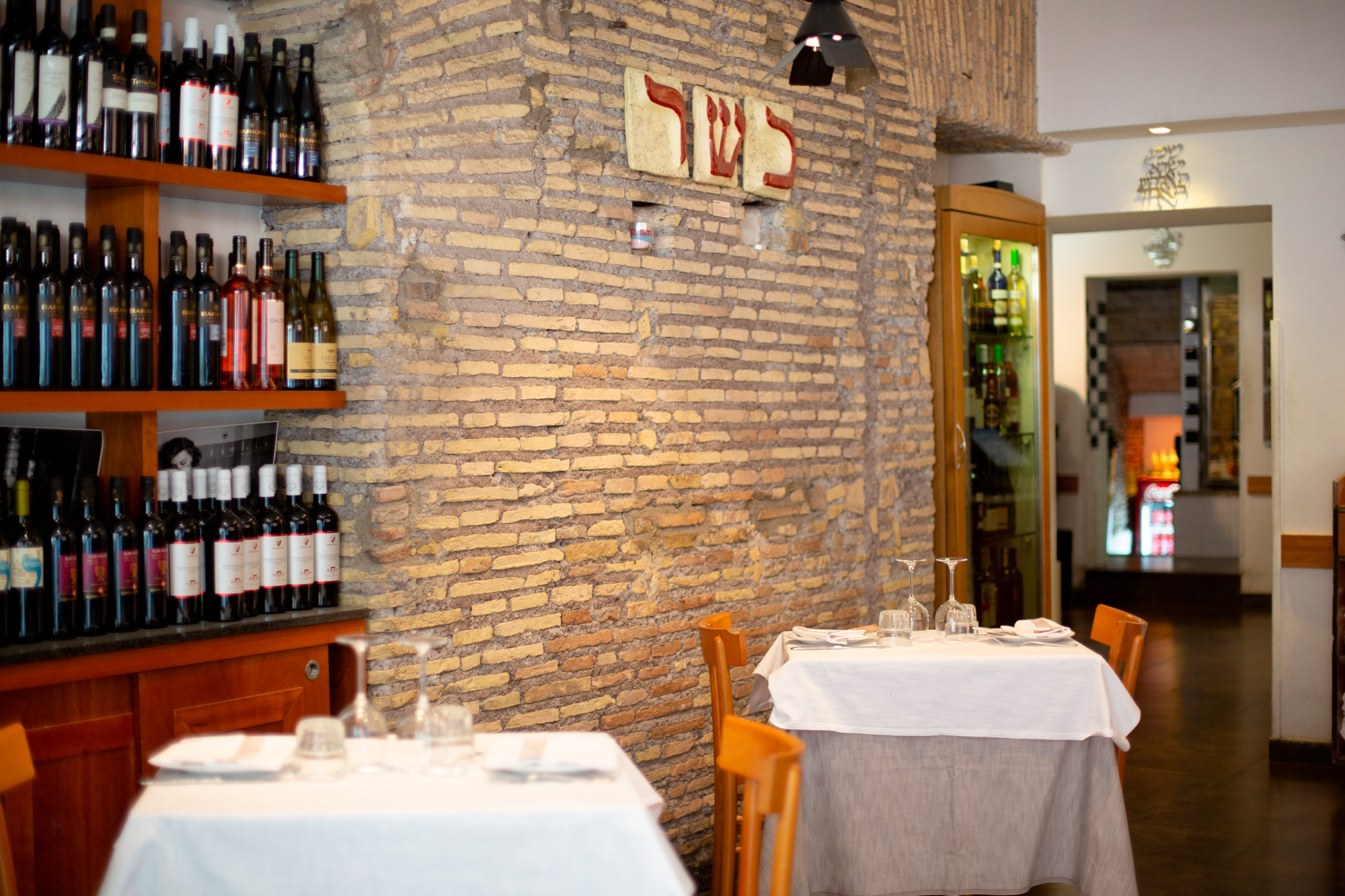
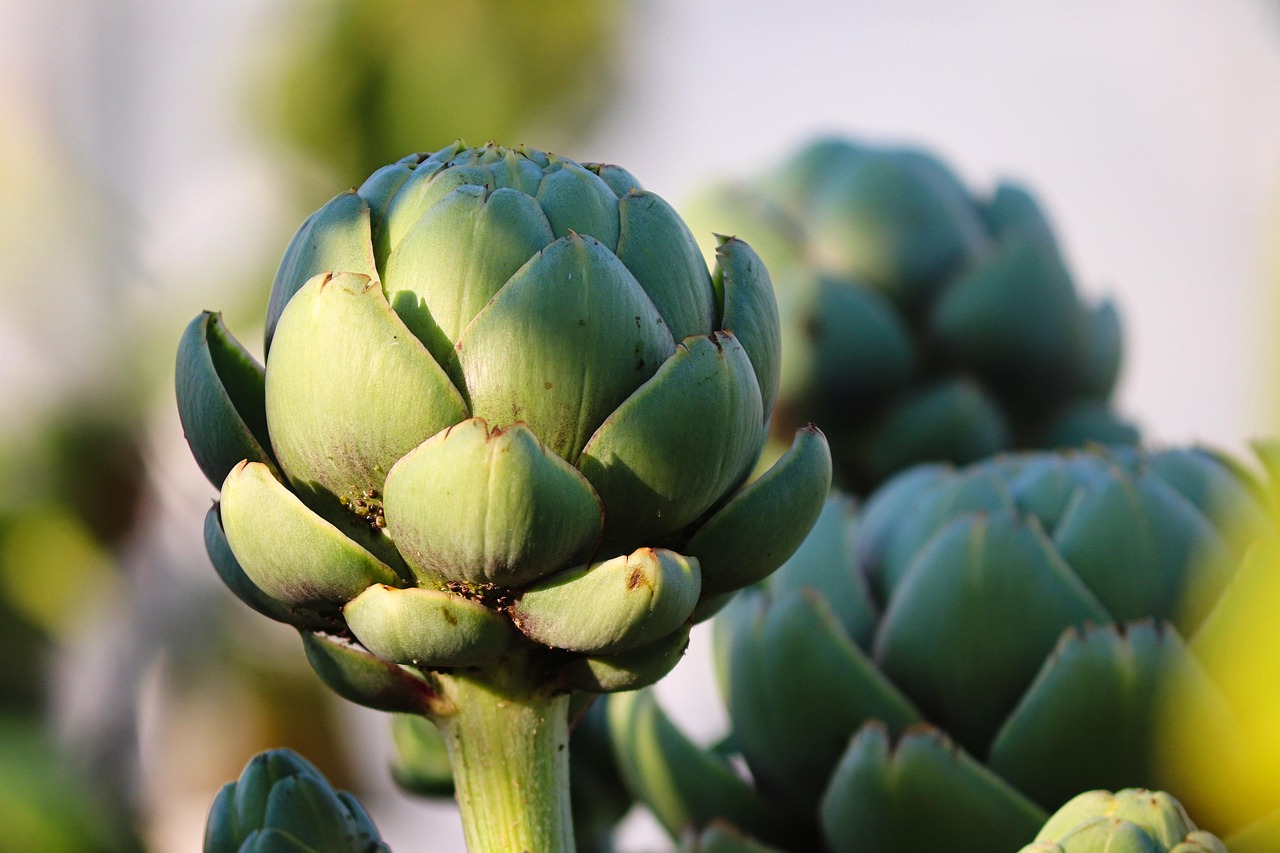
At Ba’Ghetto, Roman Jewish cuisine meets the flavors of the Middle East, in full accordance with kashrut. Alongside the great Roman classics, like Jewish-style fried artichokes, you’ll find the tastes of the Levant and of the Shabbat table, prepared the traditional way.
If you’d like to taste Jewish food the way it has been handed down for generations, book your table at Ba’Ghetto.
30.09.26
Share