




A Jewish wedding is one of the most symbol-rich ceremonies in the whole of Jewish tradition. Every gesture, from the veiling of the bride to the glass that is shattered at the very end, tells part of the story of the Jewish people and of what Judaism sees in a couple and a family.
It isn’t a ritual for the bride and groom alone. It brings in both families, the witnesses and the wider community, who are there to celebrate and to support the new couple.
Here is how a traditional Jewish wedding unfolds, what its key moments mean, and why, in the end, the celebration really comes alive at the table.
What happens at a Jewish wedding ceremony?
A Jewish wedding ceremony is made up of two stages that, in the past, could be separated by many months. The first is kiddushin, the betrothal, marked by the giving of the ring; the second is nissuin, the marriage itself, which takes place under the chuppah.
Today both stages are held in a single ceremony, divided by the reading of the ketubah, the marriage contract. The ceremony is usually led by a rabbi, but two witnesses are also essential, as they confirm that the marriage is valid.
Customs vary slightly between Ashkenazi, Sephardi and Italian communities, but the basic structure stays the same.
What happens before a Jewish wedding?
The days leading up to a Jewish wedding already carry ritual meaning. In many communities, it is customary for the bride and groom not to see each other for a week before the wedding, so that their meeting under the chuppah is all the more moving.
The wedding day itself is seen as a day of forgiveness and a fresh start for the couple. That’s why many brides and grooms fast, as they would on Yom Kippur, breaking the fast only after the ceremony with their first meal together.
Shortly before the ceremony, in the Ashkenazi tradition, the groom lowers the veil over the bride’s face. This is the bedeken, a custom that recalls Rebecca, who covered her face when she first saw Isaac.
What is a chuppah?
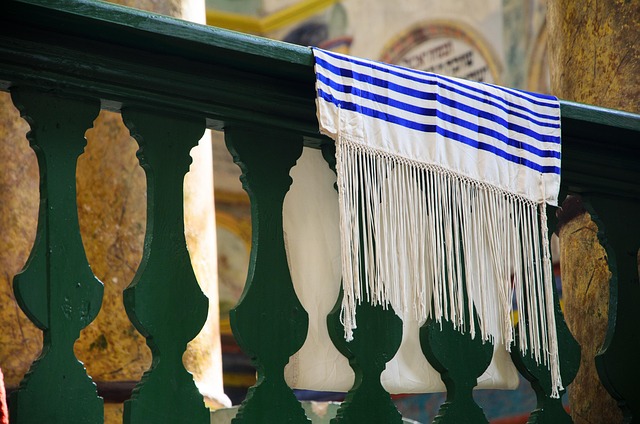
The chuppah is the wedding canopy under which a Jewish couple is married. It is made of a cloth, often a tallit, the prayer shawl, held up by four poles, which at some weddings are carried by friends and relatives.
Its meaning runs deep: the chuppah stands for the new home the couple will build together.
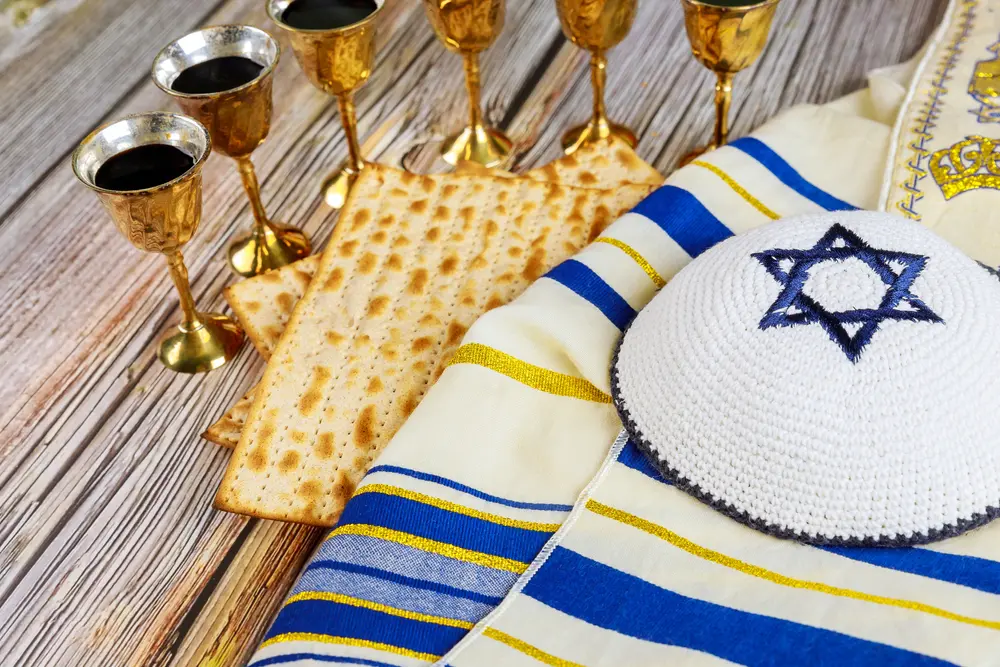
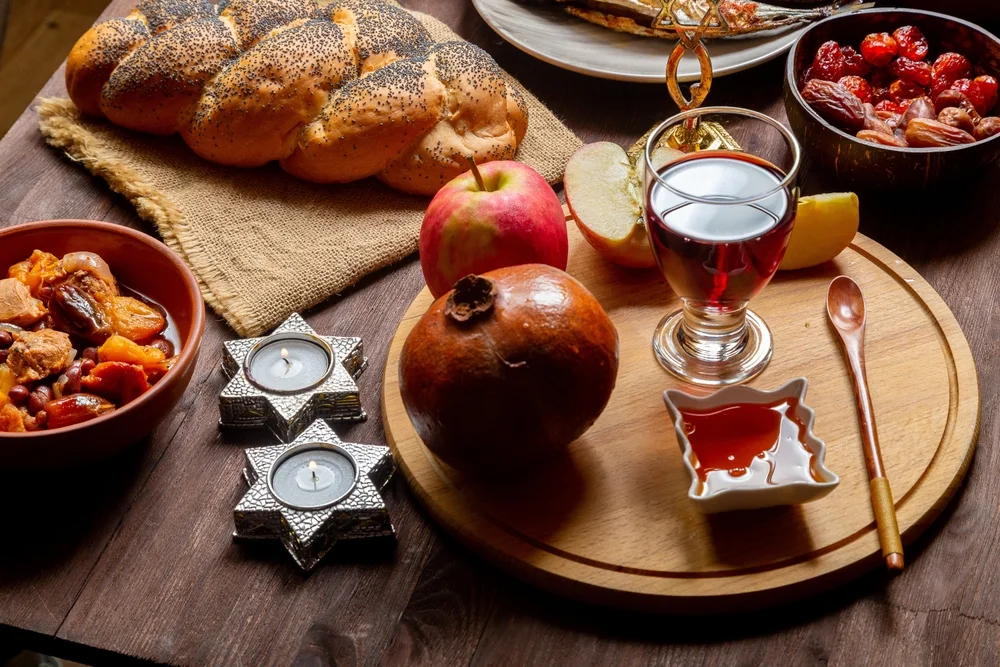
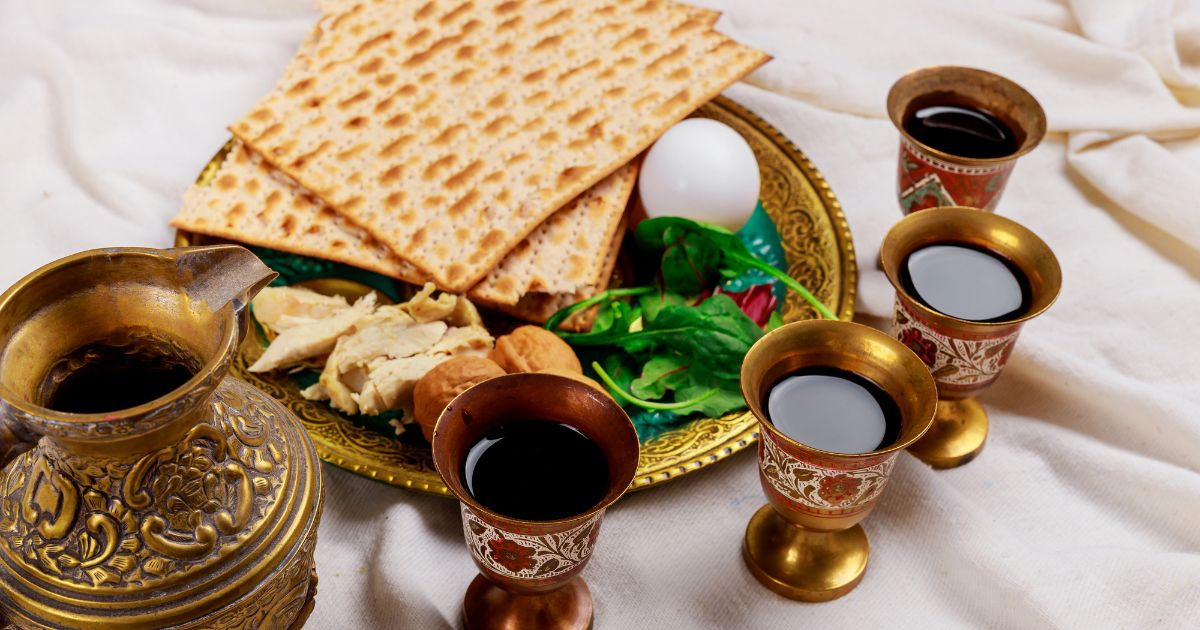
Under the chuppah, blessings are recited over the wine and the bride and groom drink from the same cup. Wine marks every important moment of Jewish life and, like all the food at the celebration, it must follow the rules of kosher wine.
What does the ring mean in a Jewish wedding?
The giving of the ring lies at the heart of kiddushin. The groom places it on the index finger of the bride’s right hand and says: “Behold, you are consecrated to me with this ring according to the law of Moses and Israel.”
According to tradition, a Jewish wedding ring must be made of solid metal, without precious stones. Its simplicity is deliberate: the value of the union should not depend on the value of the object, and an unbroken circle stands for an unbroken bond.
What is a ketubah?
The ketubah is the Jewish marriage contract. Traditionally written in Aramaic, it sets out the husband’s obligations to his wife: providing for her, clothing her and caring for their married life, as well as safeguards for the wife in case of divorce or widowhood.
It is signed by the two witnesses before the ceremony and read aloud under the chuppah, between the giving of the ring and the final blessings. Once the couple is married, the ketubah belongs to the bride.
Many ketubot are genuine works of art, decorated and illuminated. Italy’s Jewish communities in particular have a long tradition of illustrated ketubot, some of which are of great artistic value.
What are the seven blessings at a Jewish wedding?
After the ketubah is read, the seven blessings, or sheva brachot, are recited. They bless the wine, give thanks for the creation of the world and of humankind, and call for joy for the couple and for Jerusalem.
These blessings don’t end on the wedding day. During the following week, family and friends host lunches and dinners in the couple’s honour, where the blessings are said again. It’s one of the reasons a Jewish wedding is a celebration that lasts far longer than a single day.
Why do they break a glass at a Jewish wedding?
The best-known moment of a Jewish wedding comes at the very end, when the groom breaks a glass with his foot. It is a reminder of the destruction of the Temple in Jerusalem: even on the happiest of days, the memory of the Jewish people’s loss is not forgotten.
As soon as the glass shatters, the guests burst into a chorus of “Mazel tov!”, the traditional wish of good fortune, and the party begins.
What is yichud?
Yichud, meaning “togetherness” or “seclusion”, is the moment straight after the ceremony when the newlyweds spend a few minutes alone in a private room. It is the first time they are together as husband and wife.
In Ashkenazi communities, yichud follows the chuppah immediately, and this is when the couple breaks their fast. Sephardi communities have different customs, and the bride and groom often go straight to their guests.
When can’t a Jewish wedding take place?
Not every day of the year is suitable for a Jewish wedding. Weddings are not held on Shabbat or on the major festivals, so that the joy of the wedding doesn’t overlap with the joy of the holiday.
There are also periods of the year linked to mourning and remembrance, such as the weeks leading up to the fast of Tisha B’Av, when celebrations are traditionally avoided. That’s why the wedding date is always chosen with the Jewish holidays calendar in hand.
What food is served at a Jewish wedding?
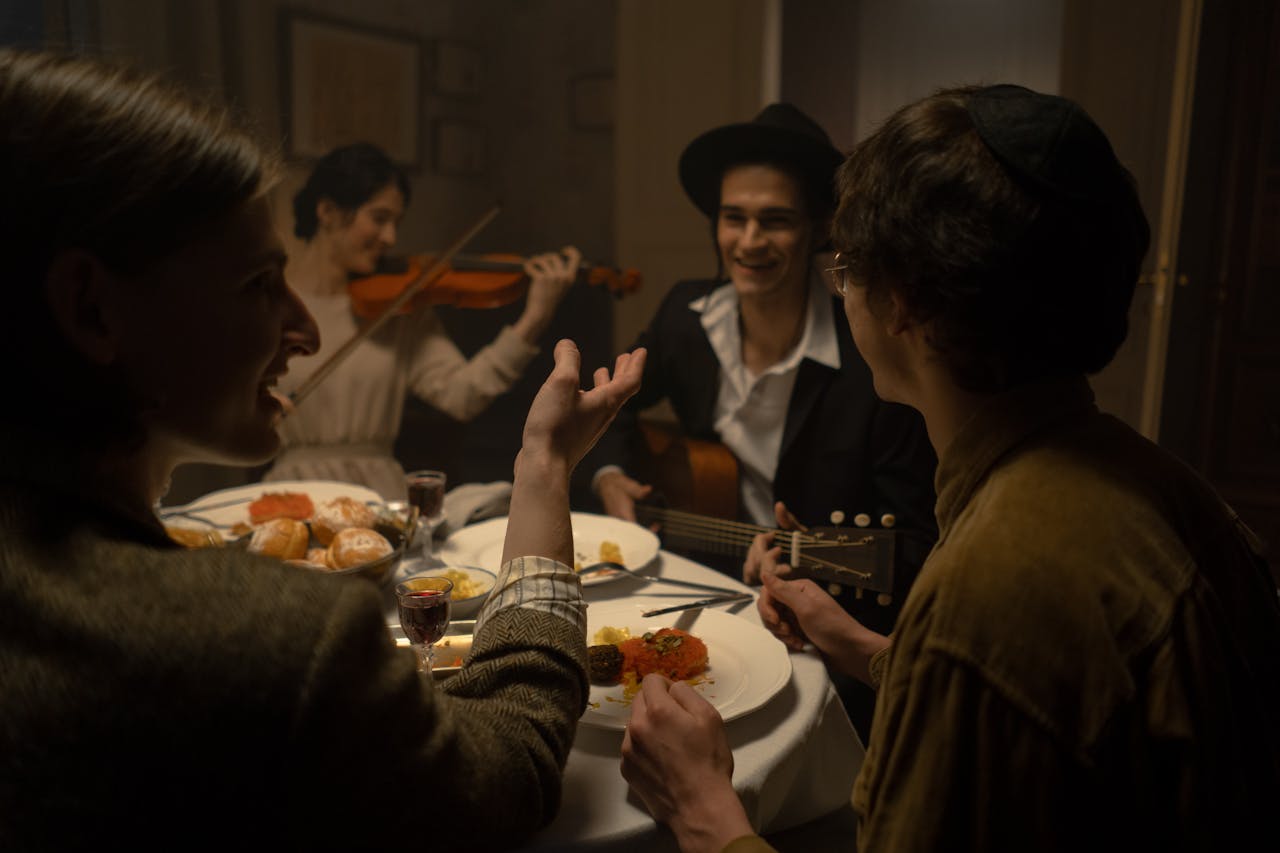
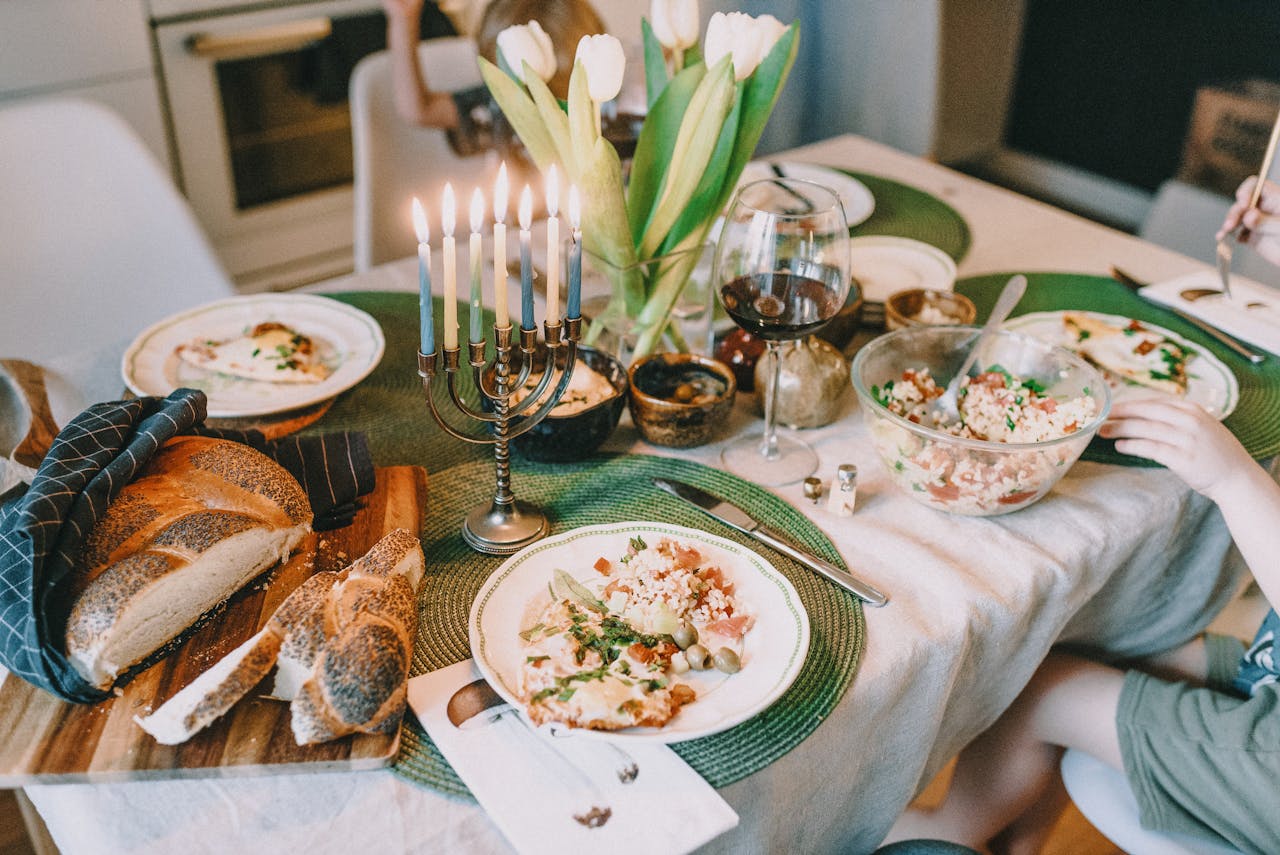
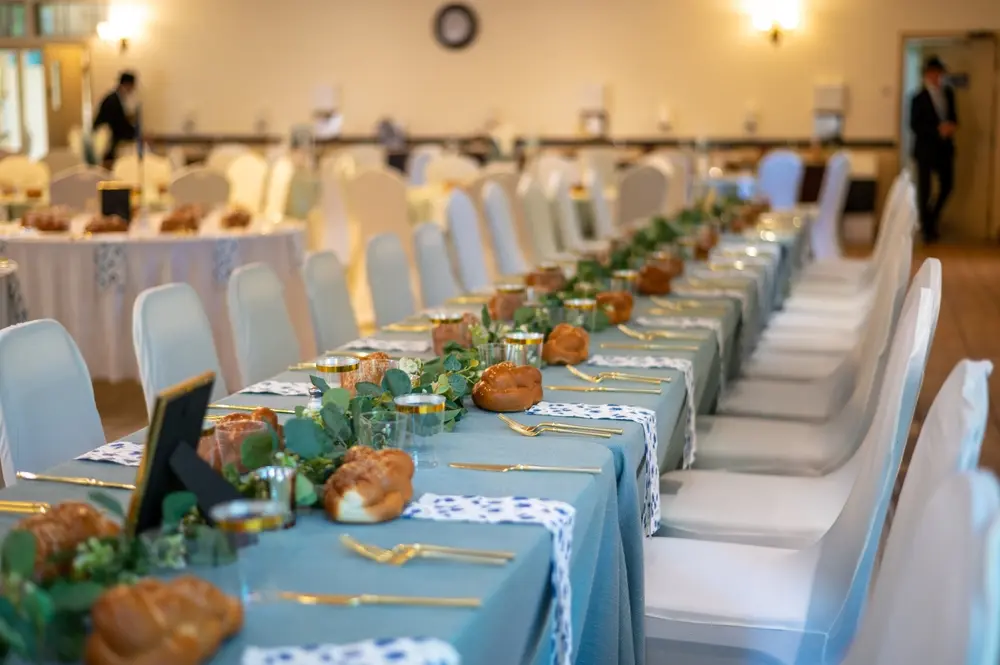
Taking part in the wedding feast and bringing joy to the bride and groom is considered a true mitzvah, a religious commandment. The wedding lunch or dinner is therefore part of the ritual, not just a reception.
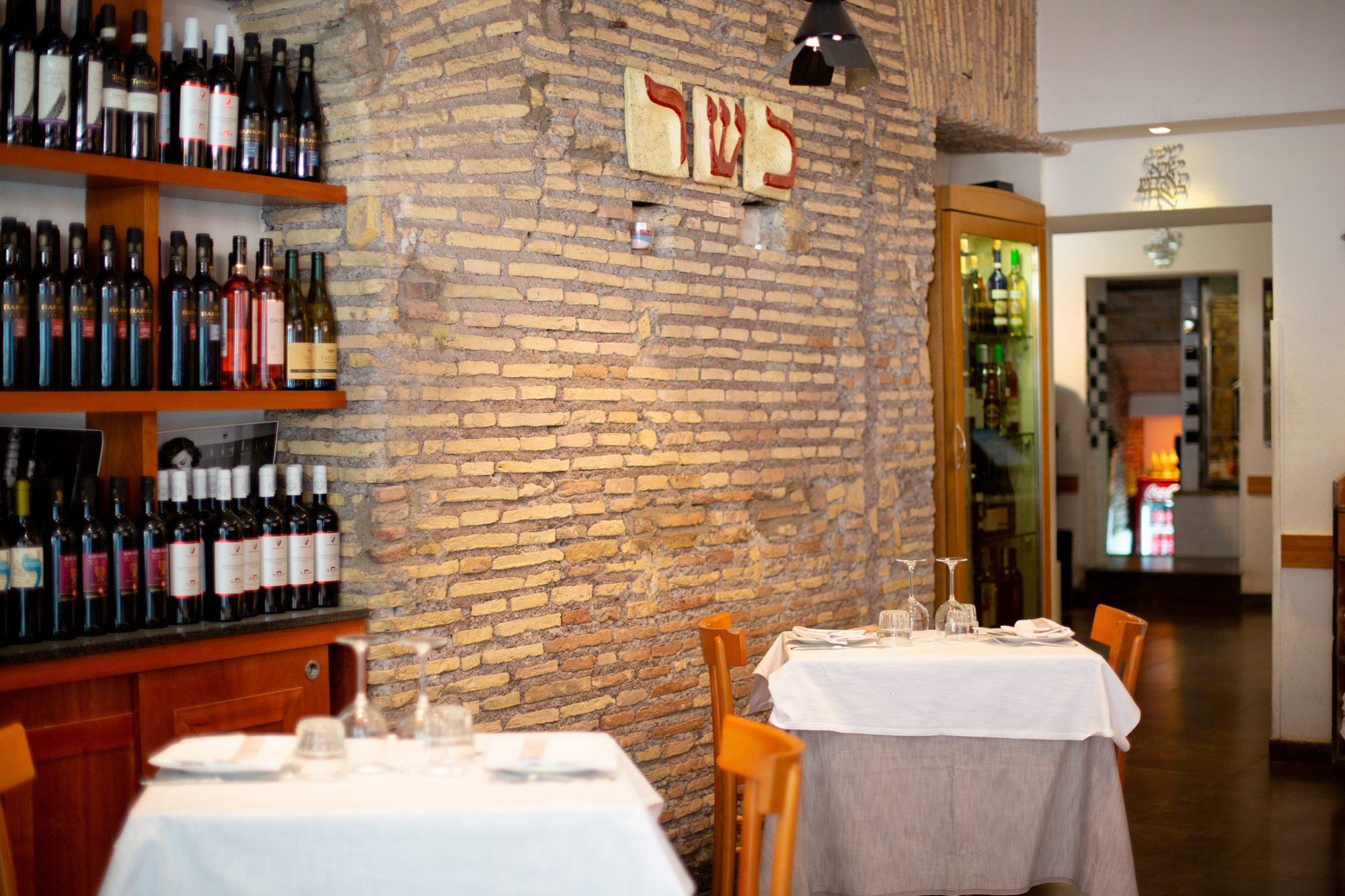
The menu at an observant Jewish wedding follows the rules of kashrut: meat slaughtered according to tradition, fish with fins and scales, and certified products.
The rule that meat and dairy are never served at the same meal also applies, so a meat banquet ends with desserts made without milk or butter.
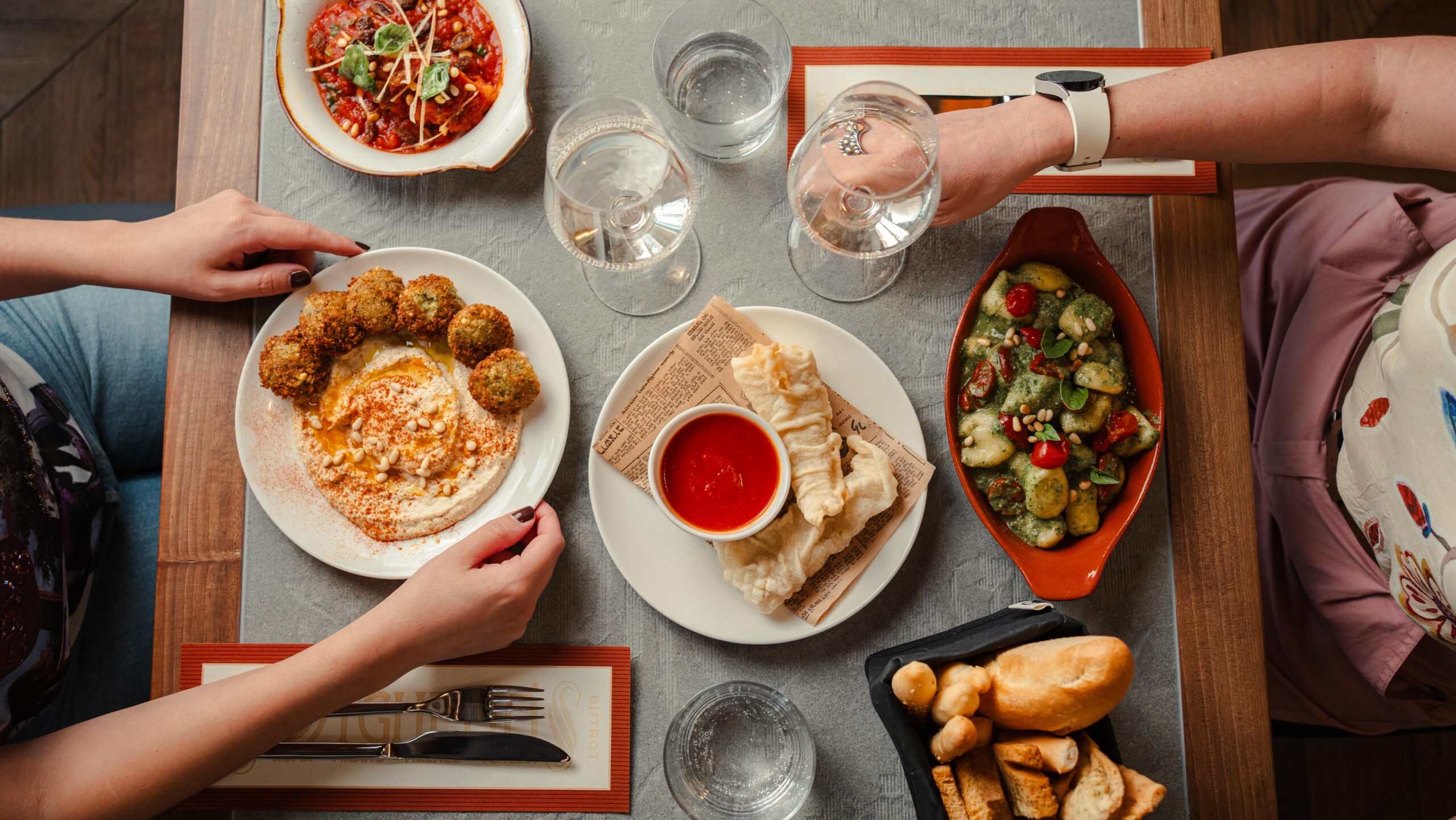
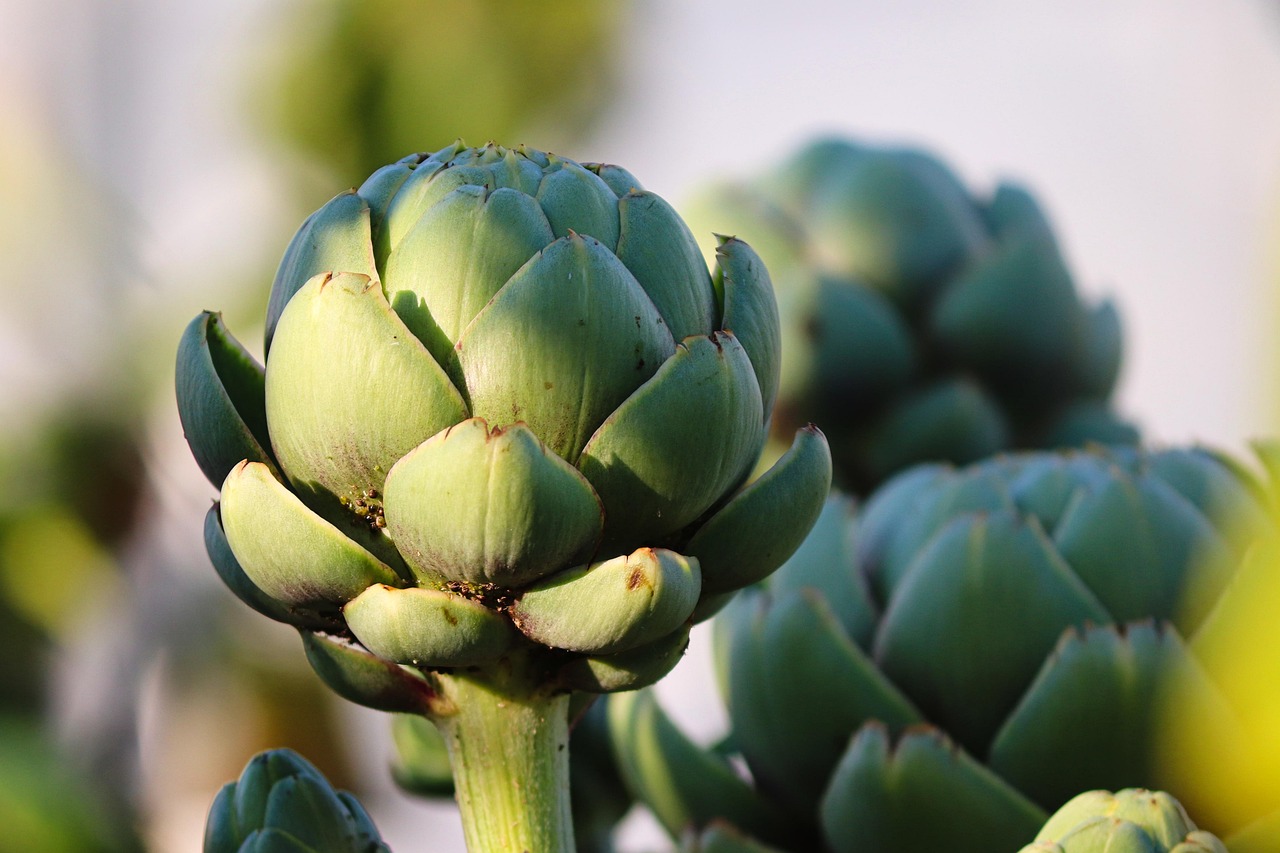
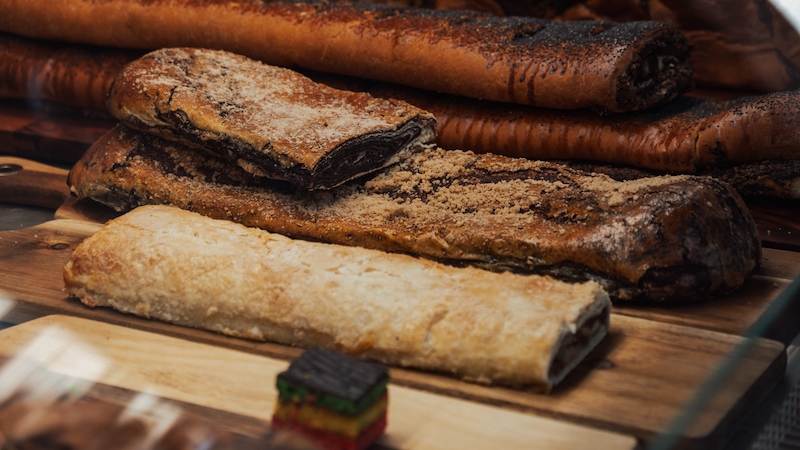
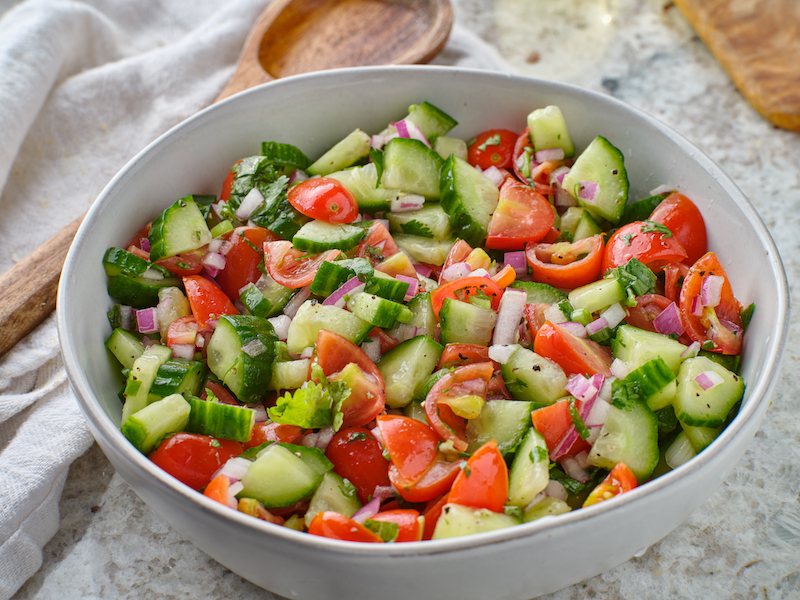
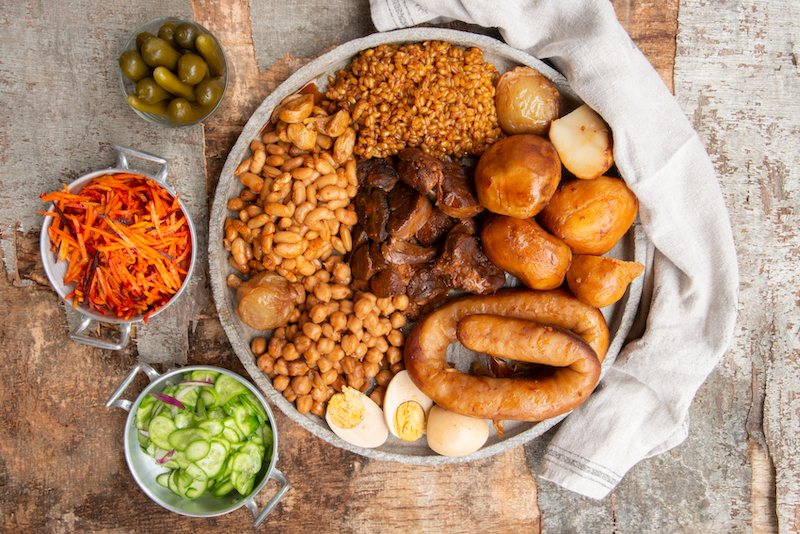
The table brings together dishes from each family’s tradition. In Italian communities, the flavours of Roman Jewish cooking, from the classic Jewish-style artichoke onwards, sit alongside those of the Mediterranean and the Middle East.
From the wedding to the table: book a table at Ba’Ghetto
A Jewish wedding ends at the table, where the celebration turns into sharing and kosher food keeps alive the memory of families and communities. It’s the same spirit you’ll find in the dishes of Roman Jewish cuisine.
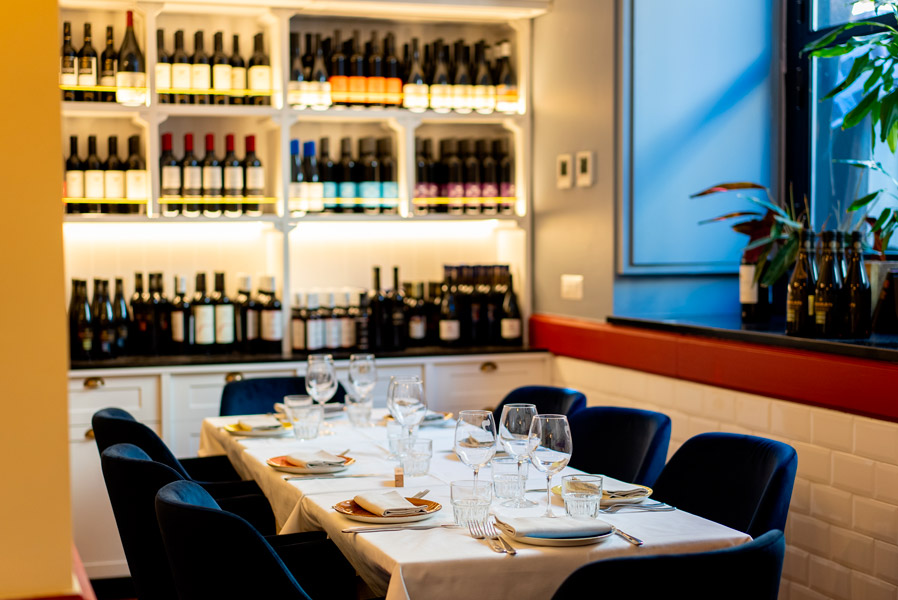
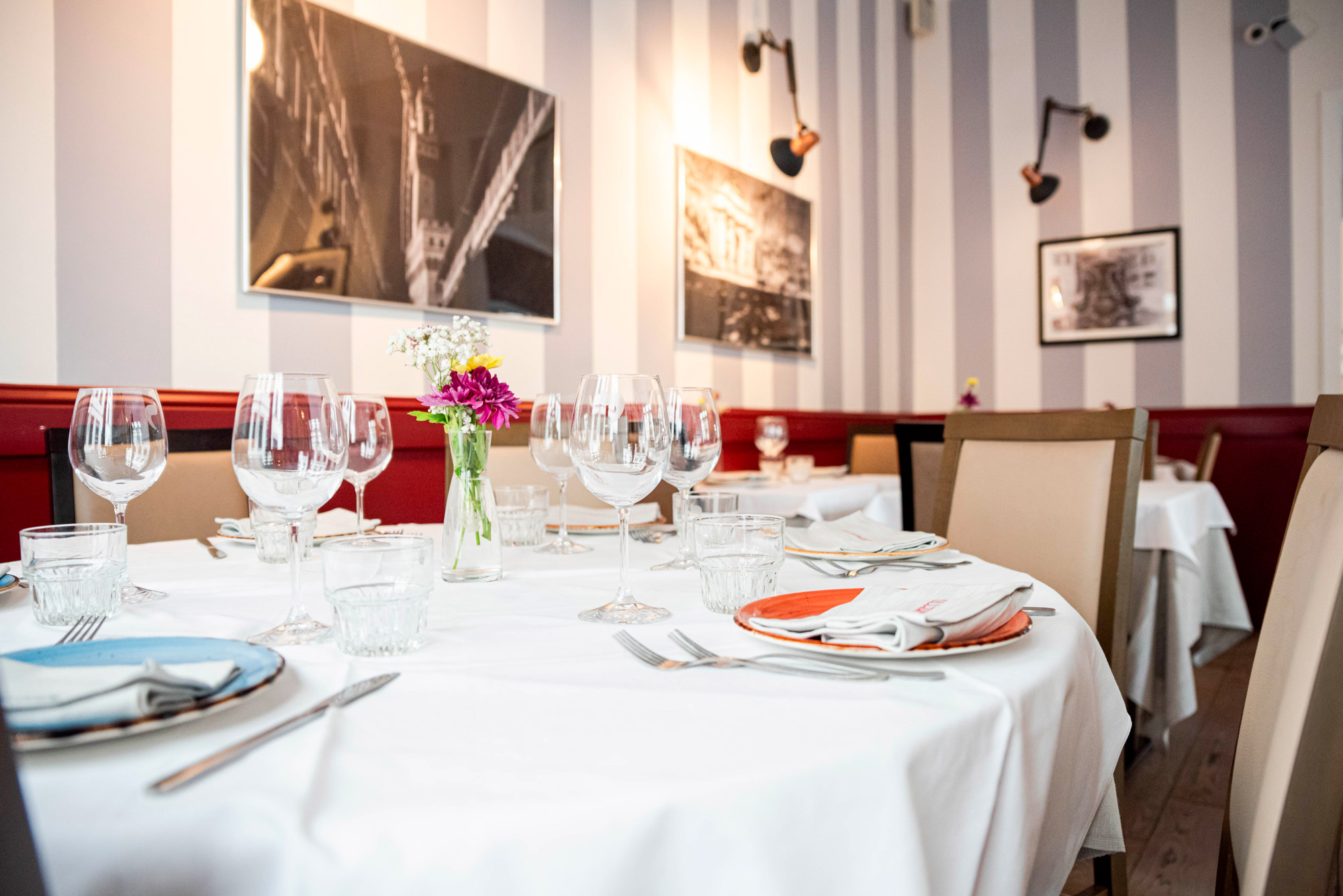
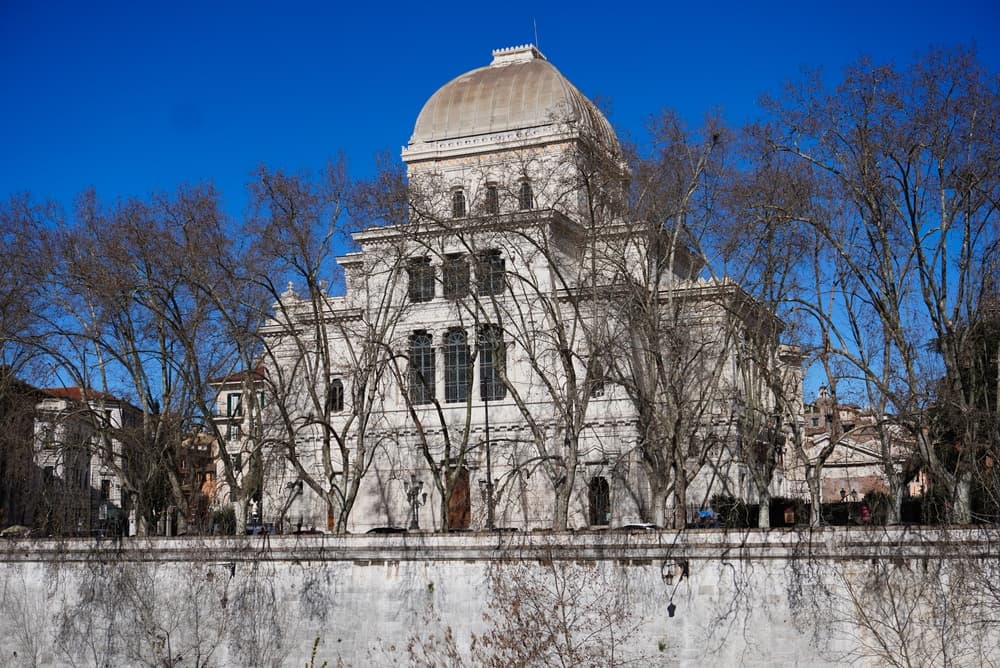
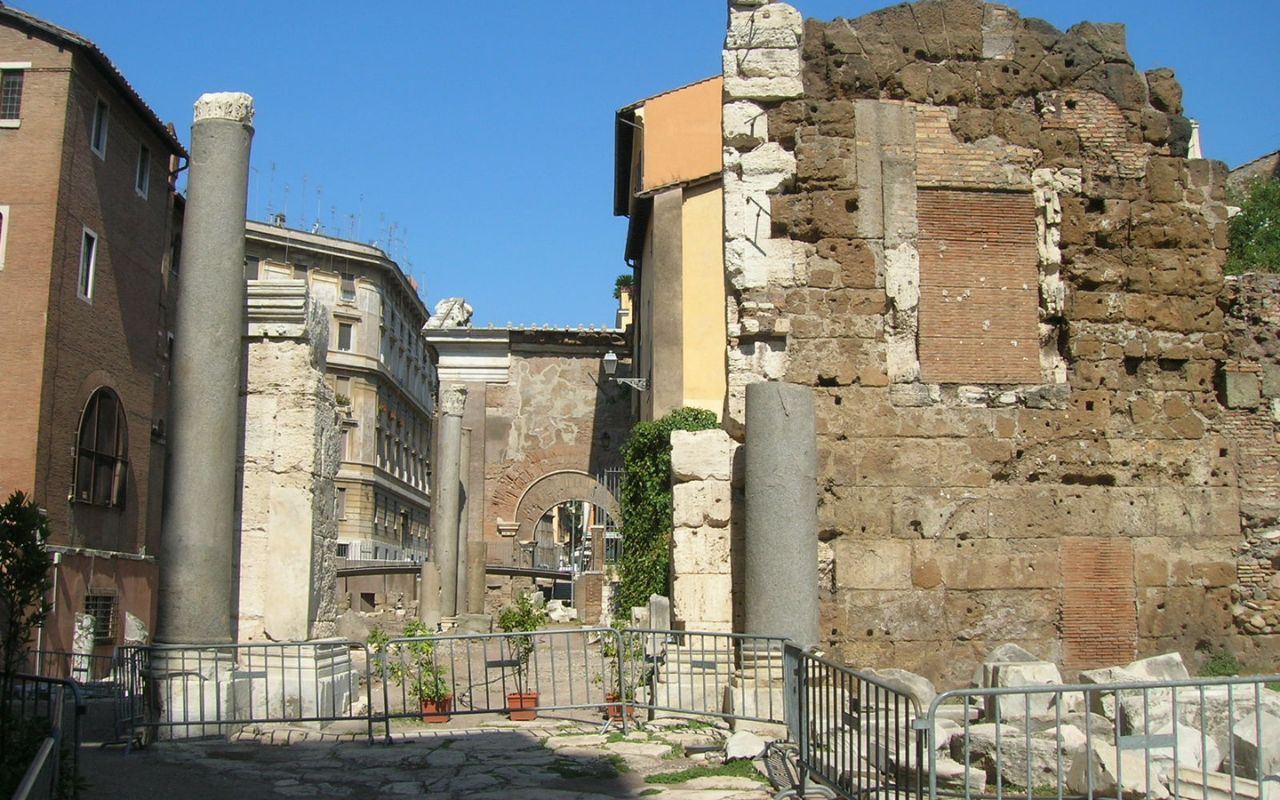
At Via del Portico d’Ottavia 57 you’ll find Ba’Ghetto, the oldest Jewish restaurant in Rome, born from the passion of the Dabush family. Its cuisine blends Jewish, Roman and Middle Eastern traditions, in full respect of the rules of kashrut.
Book a table at Ba’Ghetto in Rome and let yourself be guided through the flavours of Roman Jewish kosher cuisine.
18.11.26
Share