




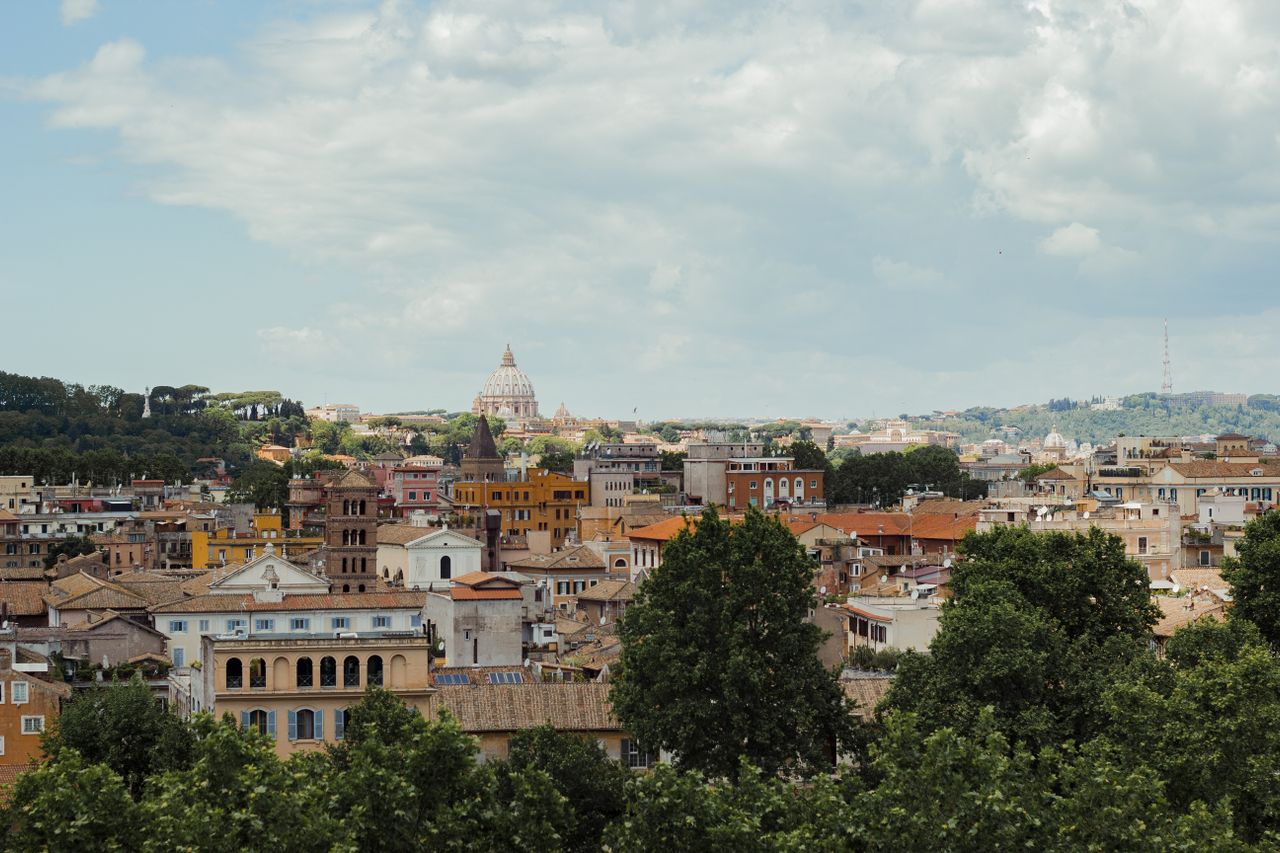
For more than three centuries, part of the heart of Rome was enclosed by walls and gates that opened in the morning and were locked at night. This was the Roman Ghetto, the quarter where the city’s Jewish community was forced to live from 1555 onwards.
Very little of the original Ghetto survives today, yet Romans still use the name for the area where it once stood. Tracing its history means travelling through five centuries of the city’s life, through segregation, emancipation, tragedy and rebirth.
When was the Roman Ghetto established?
The Roman Ghetto was established in July 1555, when Pope Paul IV, born Giovanni Pietro Carafa, issued the papal bull Cum nimis absurdum. Just two months after his election, the pope revoked the rights previously granted to Rome’s Jews and ordered the creation of the enclosed quarter.
At the time the community numbered around two thousand people, and had been present in Rome since before the Christian era. The new quarter was also known as the “serraglio degli ebrei”, the enclosure of the Jews.
It is one of the oldest ghettos in Europe, preceded only by the one in Venice, established in 1516.
Where was the Roman Ghetto?
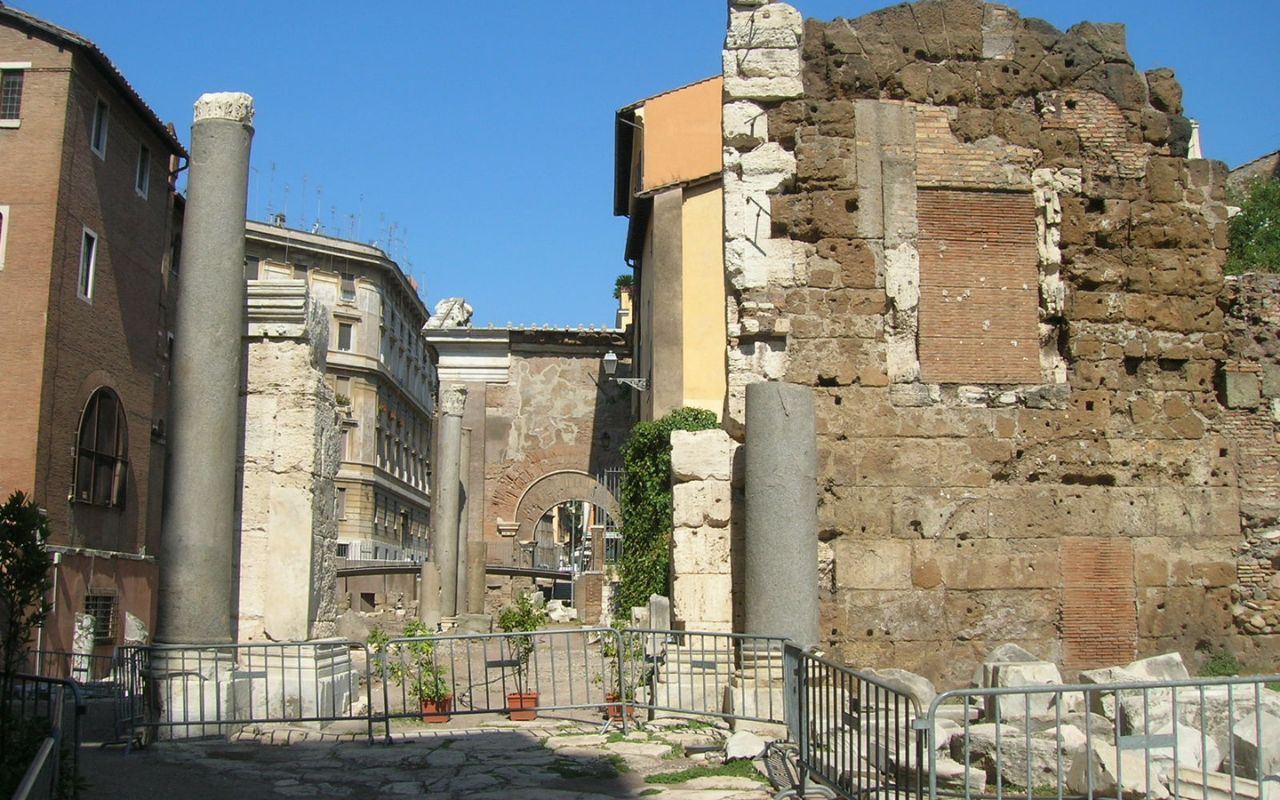
The Roman Ghetto stood in the Sant’Angelo district, next to the Theatre of Marcellus, in an area roughly bounded by today’s Via del Portico d’Ottavia, Lungotevere dei Cenci, Via del Progresso and Via di Santa Maria del Pianto.
The location was no accident. From the 13th century onwards, many Jews had settled in this district, drawn by its craft and trading activity. But the area, right beside the Tiber, was unhealthy and constantly hit by the river’s floods.
What was life like in the Roman Ghetto?
Life in the Roman Ghetto was defined by confinement. The quarter was surrounded by walls with gates locked at night: there were three at first, but as the population grew the area was enlarged several times, reaching five gates by the 18th century.
Space remained scarce all the same. The inhabitants, who would grow to around five thousand in the 19th century, lived in ever taller buildings, squeezed between narrow lanes and courtyards.
Few trades were permitted: mainly money lending and dealing in second-hand goods, especially textiles, centred on the old Piazza Giudea. By papal order, a single building also had to house the synagogues of the different traditions present in Rome: the Cinque Scole, or Five Schools.
The Roman Ghetto between the French Revolution and Napoleon
For almost three centuries the Roman Ghetto remained under papal control, with only brief interruptions. The first came with the Roman Republic of 1798–99.
A second pause came during the Napoleonic period, between 1808 and 1815. These freedoms were short-lived, however: in 1814, with the final return of Pope Pius VII, the Jews were once again shut inside the ghetto.
1848: the walls of the Roman Ghetto come down
The first sign of change came with Pius IX. In 1847 the pope allowed Jews to live outside the ghetto, and on 17 April 1848 he ordered the wall surrounding it to be torn down.
Even this opening, however, did not bring full freedom. After the Roman Republic of 1849, Pius IX issued new restrictive laws against the community, limiting even the Jews’ freedom of movement around the city.
1870: the end of the Roman Ghetto
The decisive turning point came on 20 September 1870, with the capture of Rome and the end of the Papal States. It was a Jewish officer from Piedmont, Giacomo Segre, who commanded the artillery battery that opened the breach at Porta Pia.
With Rome’s annexation to the Kingdom of Italy, the Jews of Rome were finally freed. The obligation to live in the ghetto, by then no longer enforced, was formally abolished in 1882.
The demolition of the Roman Ghetto and the Great Synagogue
With Rome now the capital, the old quarter was considered dilapidated and lacking basic sanitation. Under the new city plan, most of the ancient lanes and buildings of the Roman Ghetto were demolished from the late 1880s.
In their place three new streets were laid out: Via del Portico d’Ottavia, which replaced the old Via della Pescheria, Via Catalana and Via del Tempio. In 1910, with the demolition of the Cinque Scole building, the clearance was complete.
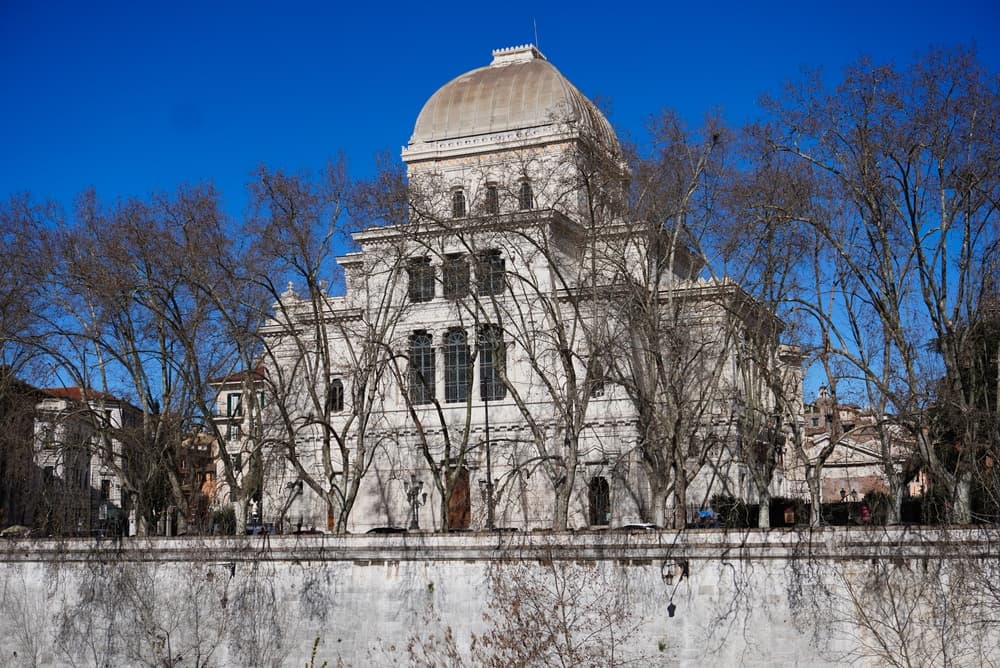
On the land freed up by the demolitions, bought by the Jewish Community in 1897, rose the Great Synagogue, inaugurated in 1904. With its square dome, visible from many parts of the city, the Great Synagogue of Rome became the symbol of citizenship regained.
16 October 1943: the raid on the Roman Ghetto
The darkest chapter in the quarter’s history came during the Nazi occupation. At dawn on Saturday 16 October 1943, German troops, with the collaboration of the Fascists, surrounded the Roman Ghetto and other parts of the city.
1,259 people were seized, including 207 children. After some were released, on 18 October 1,023 Roman Jews were loaded onto a train at Tiburtina station bound for Auschwitz-Birkenau.
Only 16 of them came home: 15 men and just one woman, Settimia Spizzichino. The day is remembered as “Black Saturday”, and a plaque at the Great Synagogue keeps its memory alive.
The Roman Ghetto from the post-war years to today
The post-war years also brought difficult moments for the quarter. On 9 October 1982, an attack struck the Synagogue, leaving a deep mark on the community and the city.
A few years later, on 13 April 1986, John Paul II became the first pope to visit the Synagogue of Rome, a gesture that marked a new era in relations between Jews and Catholics.
Today Rome’s Jewish Quarter is both a place of memory and a place of everyday life.
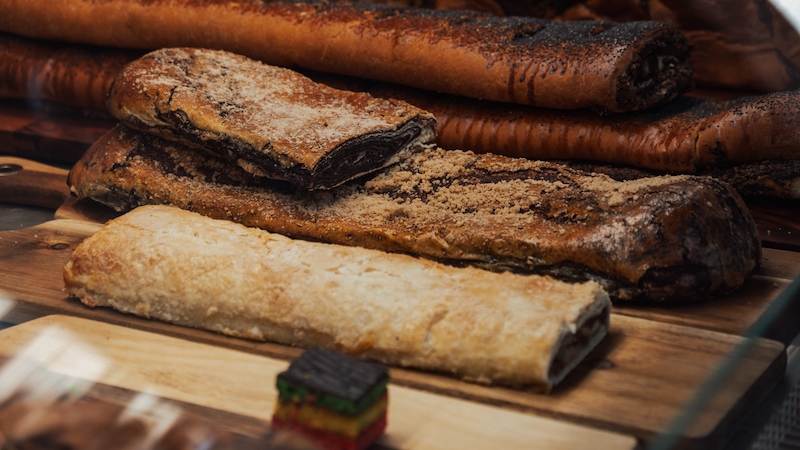
Alongside the Great Synagogue, which houses the Jewish Museum of Rome, its streets preserve the memory of the community and the flavours of Roman Jewish cuisine, from Jewish-style artichokes to sour cherry tart.
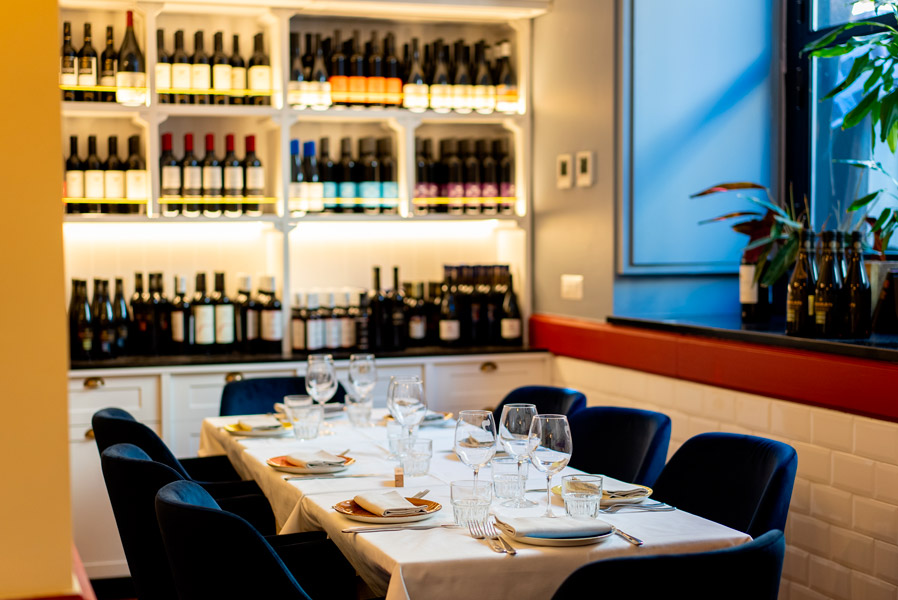
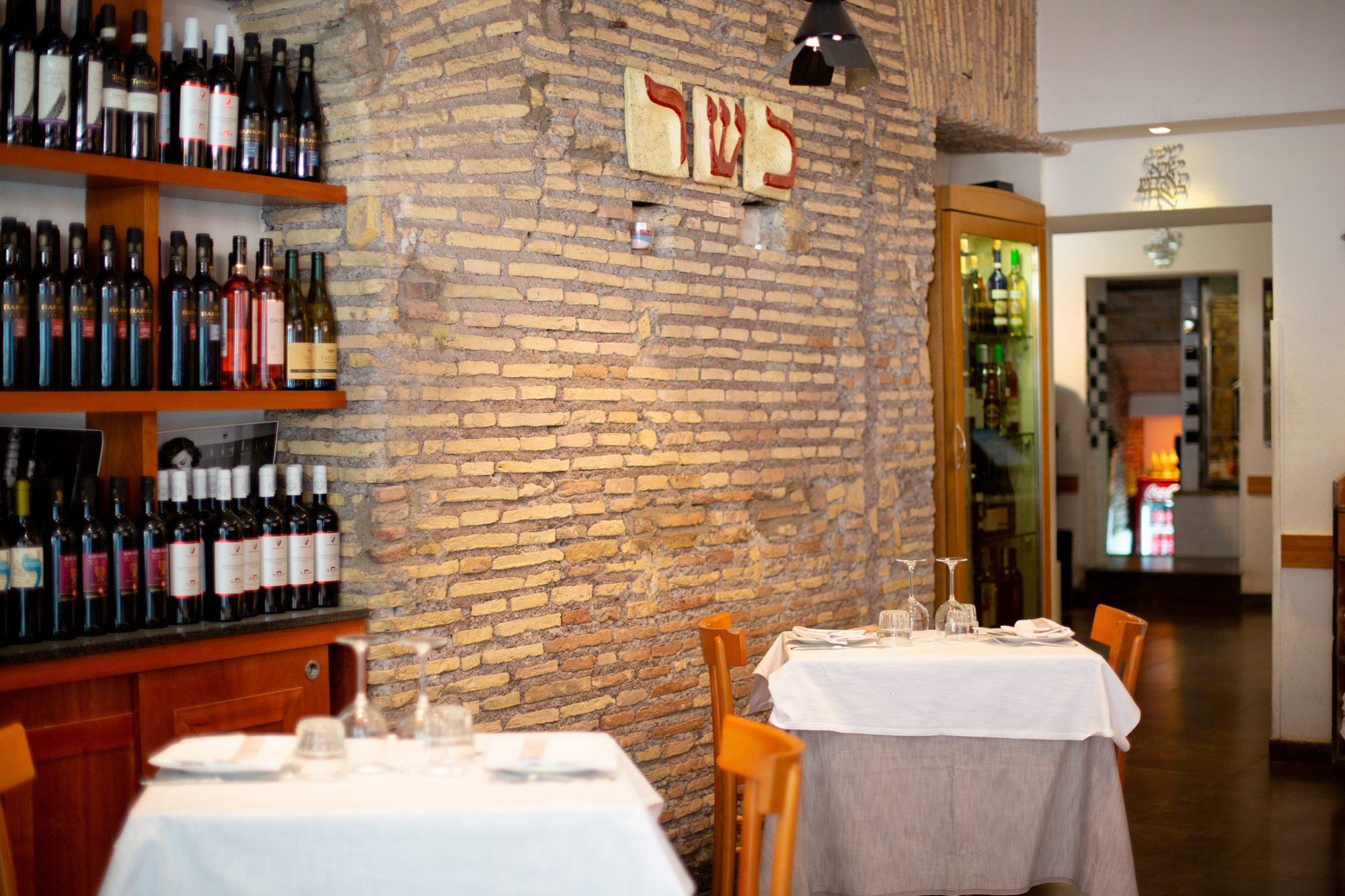
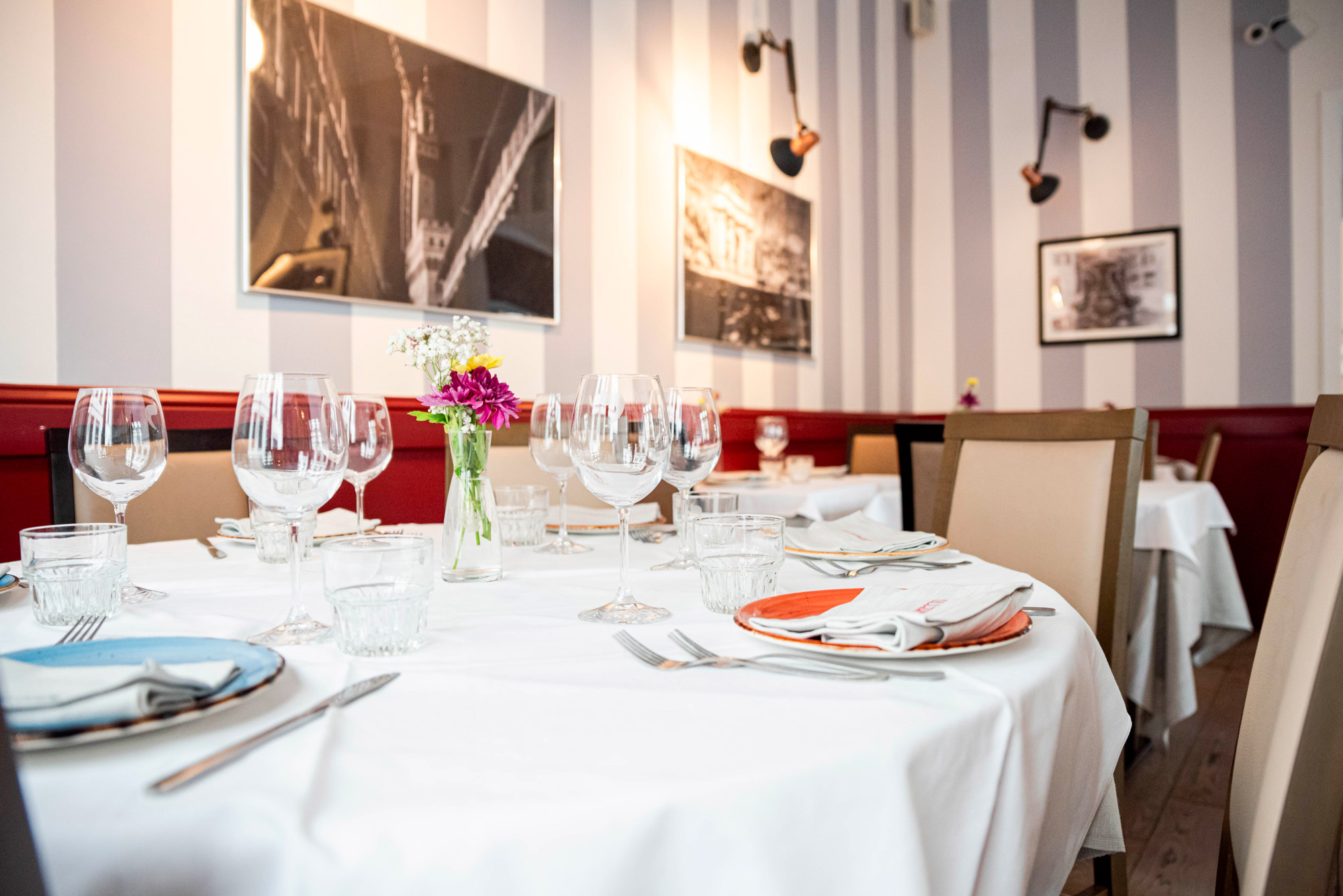
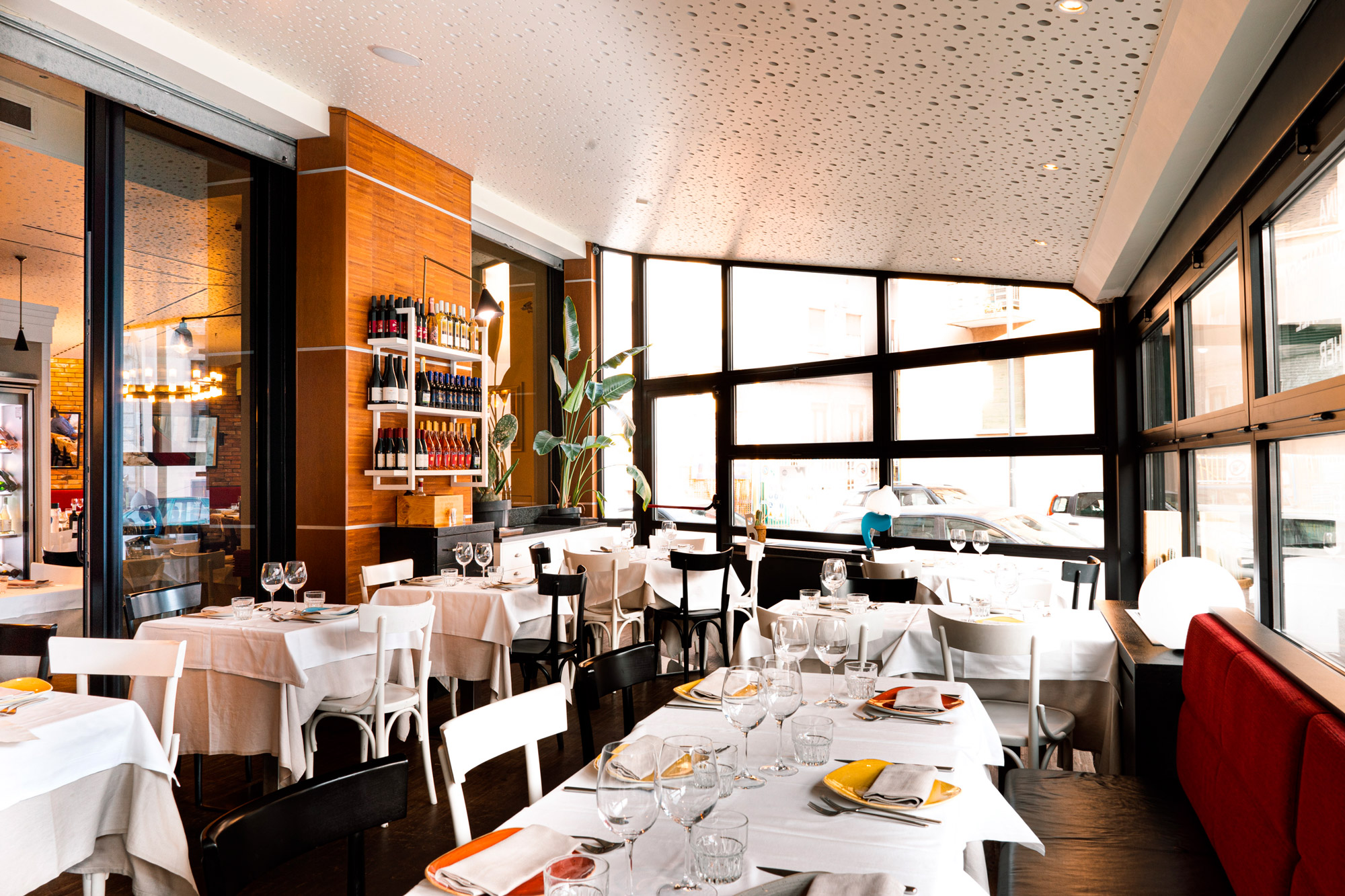
Experience the history of the Roman Ghetto at the table: book at Ba’Ghetto
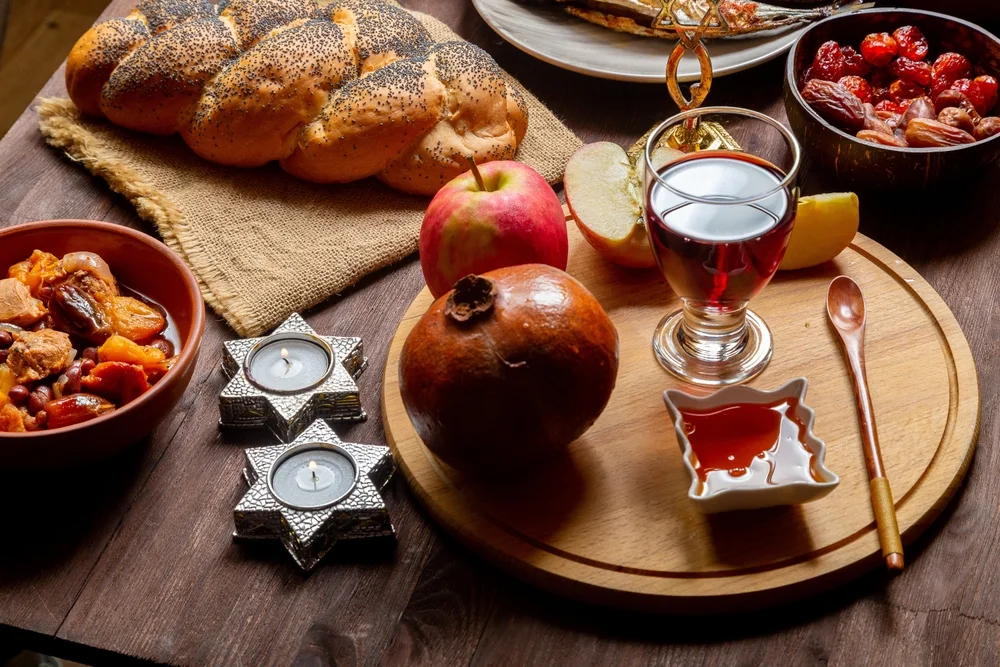
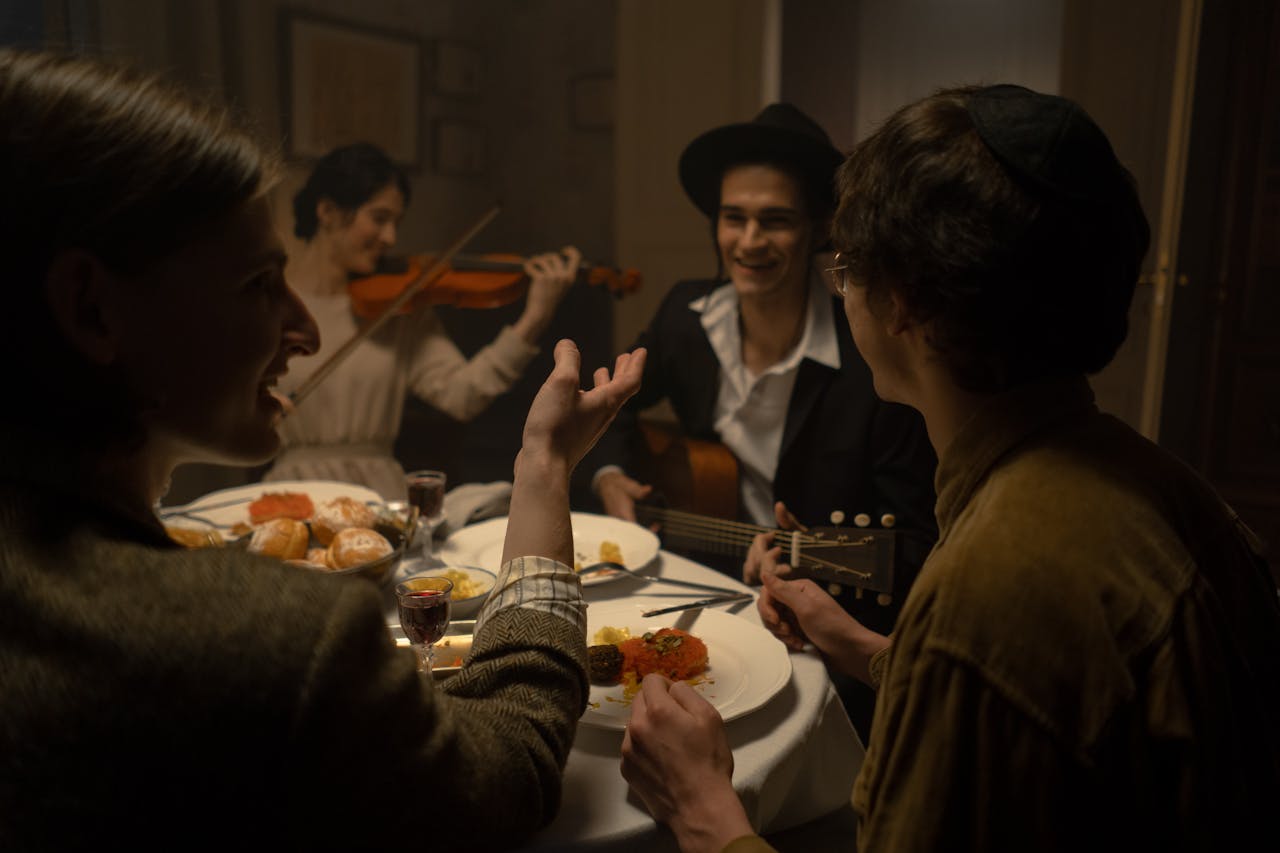
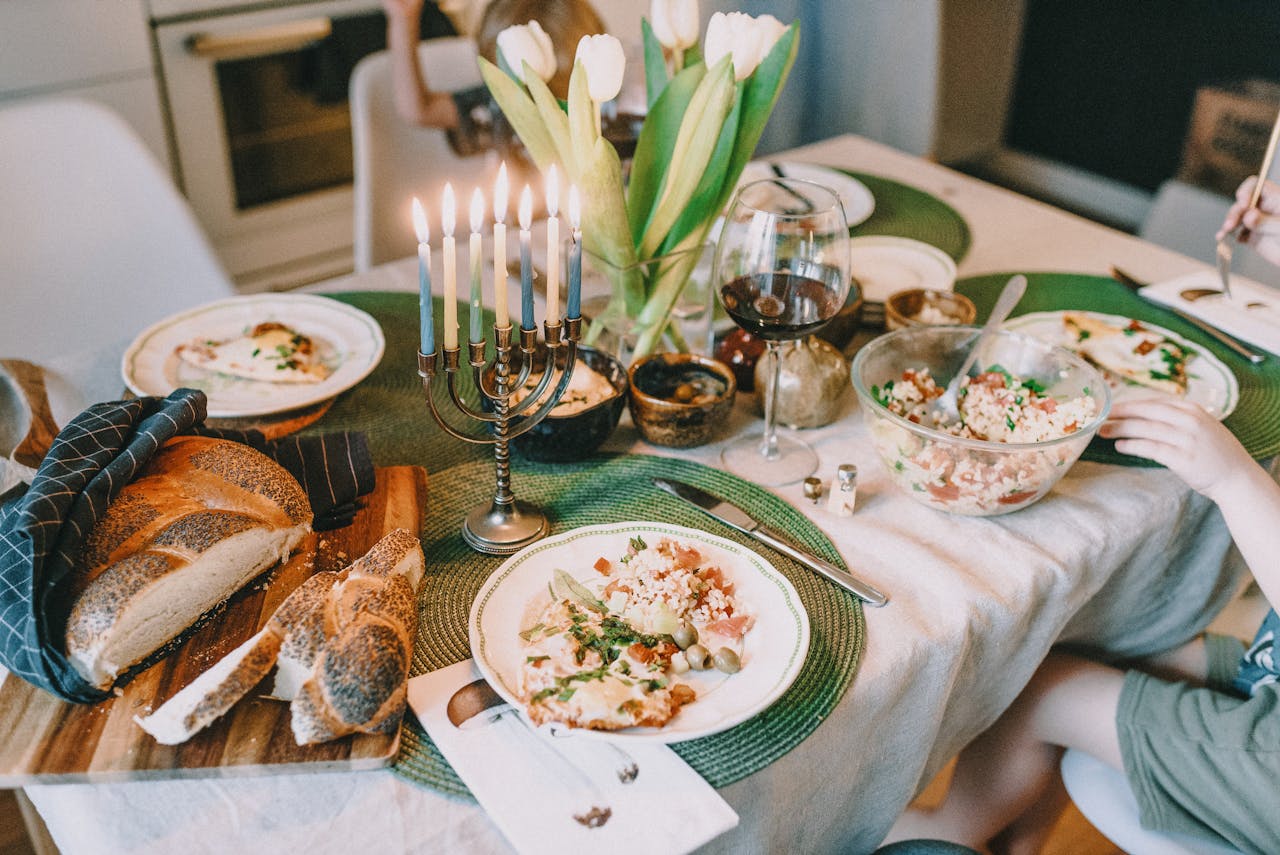
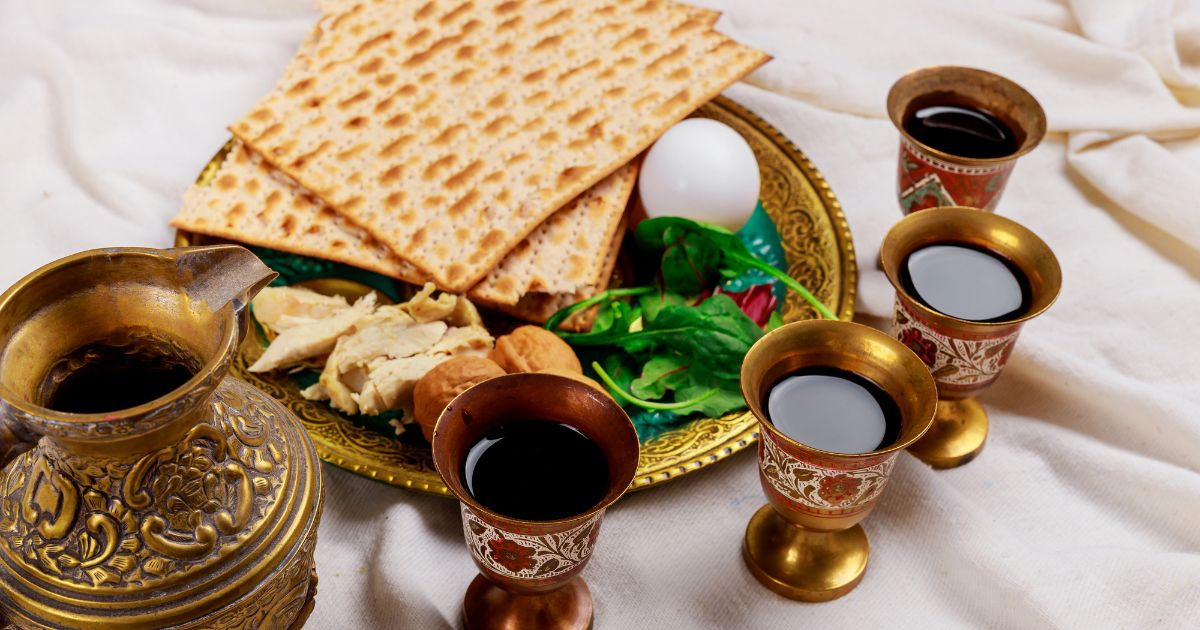
The history of the Roman Ghetto is one of walls and gates, but also of a community that for five centuries has kept its traditions alive, including those of the table. Walking along Via del Portico d’Ottavia today means stepping into that memory and finding it again in the dishes of Roman Jewish cuisine.
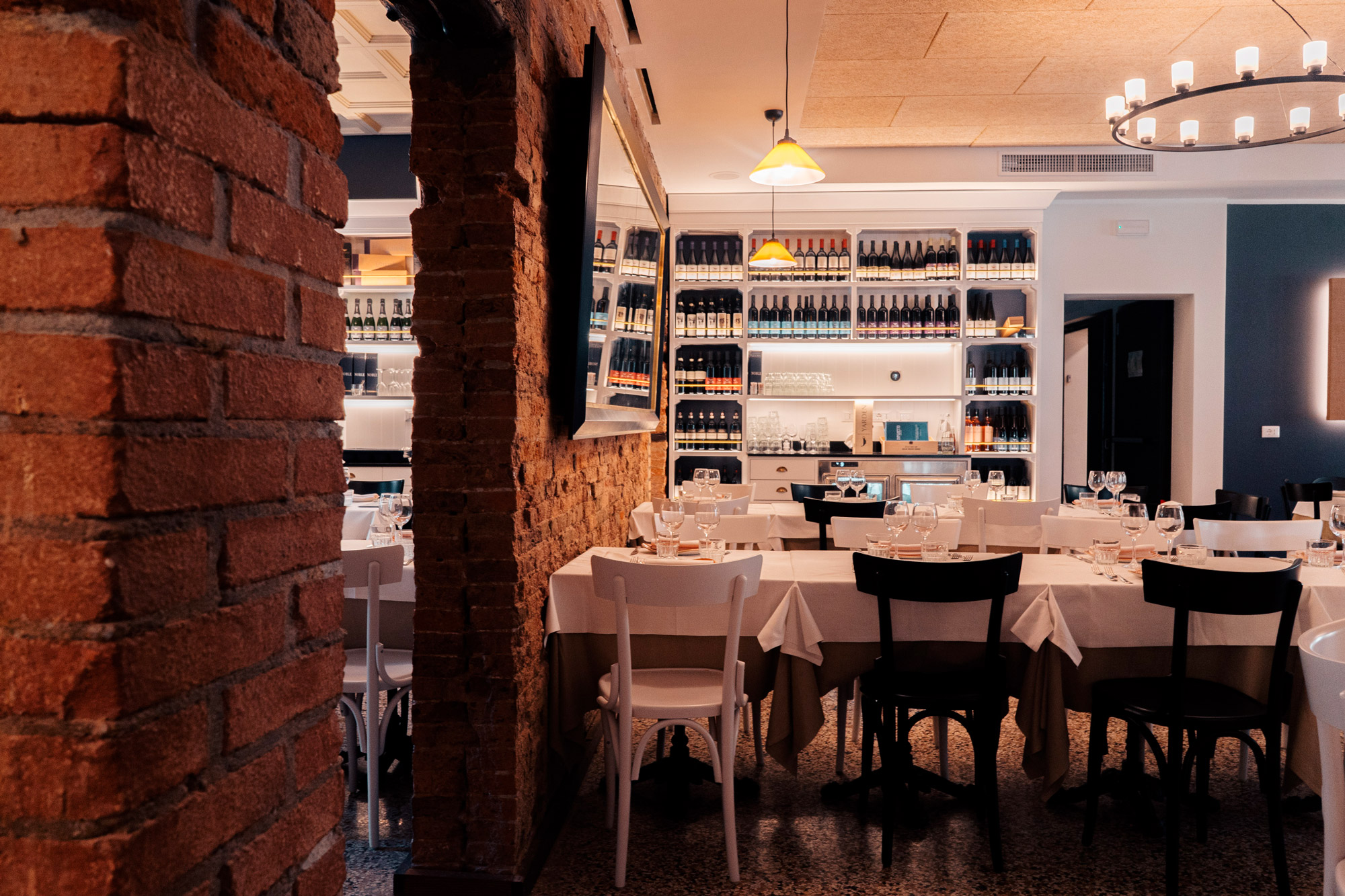
Right here, at Via del Portico d’Ottavia 57, you’ll find Ba’Ghetto, the oldest Jewish restaurant in Rome, born from the passion of the Dabush family. Its cuisine blends Jewish, Roman and Middle Eastern traditions with strict attention to the rules of kashrut.
Book a table at Ba’Ghetto in Rome and discover the history of the quarter through the flavours of Roman Jewish kosher cuisine.
30.10.26
Share